


The Art of the Low-Stress Gathering: 8 Simple Activities to Break the Ice
Almost every gathering has the same quiet gap at the beginning: guests arrive, drinks are poured, and everyone waits for the energy to catch up to the room.
If you’re hosting, that pause can feel like pressure. It can seem like your job to fill the space—to keep conversation moving, to make sure no one feels awkward, to get the night on track.
But connection doesn’t come from over-managing the room. It happens when people are given a natural way in.
Most guests don’t need entertainment. They need a small, thoughtful nudge; something easy, optional, and built into the flow of the night that gives them a reason to engage without thinking too hard about it.
That’s where the right kind of structure makes all the difference.
Do You Actually Need Activities?
Not always. If everyone already knows each other, the gathering is short, or the energy is already there, you can skip them entirely.
Activities help most when:
- Guests don’t know each other (or only know one person).
- The gathering is longer (a few hours or more).
- It’s a smaller group where lulls are more noticeable.
- You want people to mingle rather than cluster into one conversation.
Hosting tip: Think of activities as support for the flow, not the center of it. The best ones are easy to step into and just as easy to step away from.
8 Simple Activities & Featured Products
1. Conversation Starters
A small set of prompts that spark easy, low-stakes conversation and help guests find common ground faster.
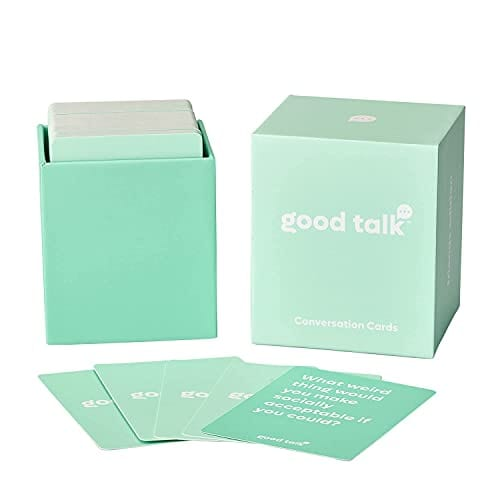
- Good Talk Conversation Cards
- What it is: A deck of conversation-starter prompts designed for friends/family.
- Why it works: Gives guests an instant “next question,” so no one has to think of topics.
- How to set it up simply: Leave the deck on the coffee table or by drinks; invite guests to pull 1 card whenever conversation slows.
- Get Closer Social Bonding Card Game
- What it is: A question/prompt card game meant to spark deeper, more personal chat.
- Why it works: Helps people move past small talk in a natural, structured way.
- How to set it up simply: Start with one round at the table, then leave the cards out for anyone to keep going.

2. Build-Your-Own Drink or Food Station
An interactive, functional station where guests naturally gather to customize cocktails, snacks, or desserts.
- Fluted Tumbler - Mixed Color Set by Tossware
- What it is: A set of drink tumblers for serving cocktails, mocktails, or spritzes.
- Why it works: A cohesive glassware set makes the DIY station feel “intentional” and photo-ready.
- How to set it up simply: Stack cups at the start of the bar with a small “Start here” sign.

- Butterfly Cocktail Napkins by Neem Crafts
- What it is: Decorative cocktail napkins for drinks/snacks.
- Why it works: Small styling details make the station feel special without extra effort.
- How to set it up simply: Place napkins in one visible stack next to cups/plates.

- Name Tags
- What it is: A printable label/name-tag template for cups, jars, or food labels.
- Why it works: Labels reduce questions (“What’s this?”) and help guests personalize drinks/food.
- How to set it up simply: Print, cut, and set out with a marker + tape/stickers.

- Natural Stone Place Card Holder
- What it is: Minimal natural stone holders for place cards, food labels, or activity prompts.
- Why it works: Adds a polished, elevated touch while keeping icebreaker cards, guest names, or station instructions easy to see and follow.
- How to set it up simply: Place them around the table or activity stations with conversation prompts, “choose your activity” cards, snack labels, or simple instructions for each icebreaker.

- Gold Cocktail Picks (4ct) by Raising the Bar
- What it is: Decorative picks for garnishes, snacks, or appetizers.
- Why it works: Makes DIY drinks/food feel finished and encourages guests to “build” something fun.
- How to set it up simply: Put picks in a small cup next to garnishes/fruit/olives.

- Bar Cart by Business & Pleasure Co.
- What it is: A rolling cart/surface for staging a drink or snack station.
- Why it works: Creates a clear “activity zone” that guests naturally gather around.
- How to set it up simply: Stock the top with the build items; keep backups/ice below.

3. Board or Card Games (Kept Casual)
Structured interaction that gives people a way to connect without having to carry the conversation.
- Game Night Invitation
- What it is: A printable/deliverable invite design for a game-night theme.
- Why it works: Sets expectations so guests arrive ready to play (less awkward “what are we doing?”).
- How to set it up simply: Text/email it ahead; repeat the theme on a small sign by the game table.

- Horse Race Board Game
- What it is: A classic-style horse race board game that guests can jump into quickly.
- Why it works: Instant structure—people naturally cheer, chat, and re-match.
- How to set it up simply: Set it out with pieces ready; leave a 1-sentence “How to play” note beside it.

4. Shared Playlist or “Music Control.”
Music fills quiet gaps and helps energy feel consistent without extra effort.
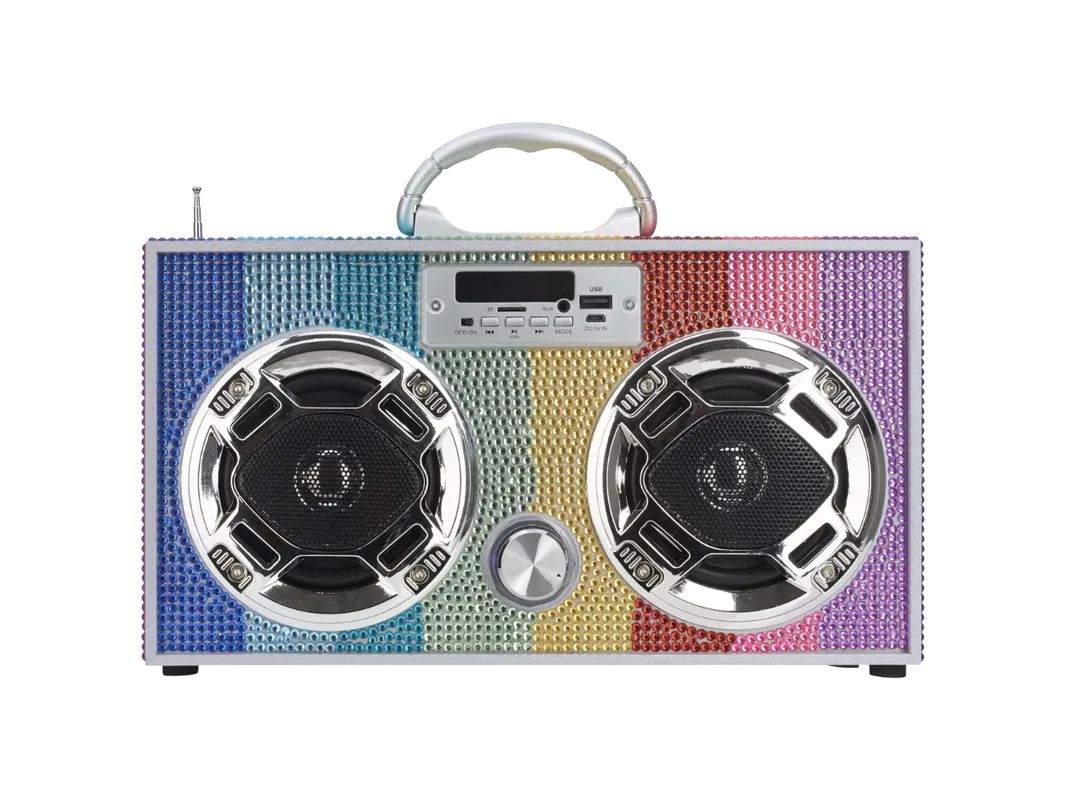
- Mini Boombox by Maisonette
- What it is: A portable Bluetooth speaker you can place anywhere (patio, kitchen, coffee table).
- Why it works: Keeps energy up and fills quiet gaps so the vibe stays warm—without you having to “host” the room.
- How to set it up simply: Charge it ahead, start a playlist before guests arrive, and park it near the main hangout zone.
- Game Night II Spotify Playlist
- What it is: A ready-made playlist that matches a fun, social “game night” vibe.
- Why it works: Fills quiet gaps and helps energy feel consistent without hosting effort.
- How to set it up simply: Start it before guests arrive; keep the volume low enough for conversation.
5. “Favorite Things” Sharing
A quick, personal way to share interests like a favorite book, snack, or hobby.
- Table Topics: Best Things Ever Edition
- What it is: A prompt-card deck with fun “favorites” questions/topics.
- Why it works: Gives everyone an easy share + follow-up question, so the conversation stays moving.
- How to set it up simply: Put the deck in the center; have guests pull one card when they arrive or between snacks.

6. A Creative Corner
A hands-on station (puzzles, doodling, or collage) that makes conversation easier for mixed groups.
- Wooden Puzzle Brain Teasers
- What it is: Small tabletop puzzles/brain teasers guests can pick up and try anytime.
- Why it works: Low-pressure “hands busy” activity that invites casual collaboration.
- How to set it up simply: Put 2–3 puzzles in a basket on the coffee table with a note: “Try one!”

7. Outdoor or Movement-Based Options
Movement resets conversational fatigue and helps guests mix naturally.
- Steel Horseshoes Set
- What it is: A horseshoe yard game set for quick, simple rounds outside.
- Why it works: Movement + friendly competition naturally bring the group together and boost energy.
- How to set it up simply: Set stakes/pits before guests arrive; keep rules to “closest wins” for speed.

8. One Light Group Game
A single, simple group moment that bonds the room without a full "game night" commitment.
- Two Truths and A Lie
- What it is: A list of ready-to-use prompts/ideas for the classic game.
- Why it works: Creates a shared, funny moment and helps guests learn about each other fast.
- How to set it up simply: Pick 10 prompts ahead of time; do one quick round only.
How to Introduce Activities Without Making It Feel Forced
The secret to a successful activity is to make it feel like part of the environment rather than a mandatory task.
- Keep them optional: The best activities are “available,” not “assigned.”
- Set them up visually: Put games out and display the prompt bowl in advance. If people see them, they will gravitate naturally toward them without you needing to "over-announce."
- Let guests opt in naturally: Start with early arrivals or a small group; others will often join in once they see people having fun.
How Many Activities Should You Plan?
Aim for 1–2 max. Planning too many events creates pressure for you and your guests. A couple of well-chosen, low-effort activities will do more for the vibe than trying to fill every minute with a full agenda.
How Do You Set This Up So It’s Easy to Host?
To ensure you actually get to enjoy your own party, follow these prep rules:
- Prep everything ahead of time: Set out supplies, print prompts, and charge speakers before the first guest arrives.
- Choose activities that don’t require facilitation: If an activity needs constant explaining or a "referee," it isn’t simple. Choose things that run themselves.
- Place them where guests can access easily: Put your stations or games where people naturally gather—the drinks table, snack area, coffee table, or patio.
What Actually Makes a Gathering Feel Engaging?
It’s important to remember that engagement doesn’t mean constant activity. An engaging gathering usually relies on three things:
- Flow: People can move easily between different conversations and spaces.
- Comfort: Seating, lighting, music, and food/drinks are easily accessible.
- Opportunities to interact: Small prompts, shared stations, and light structure that give people an "in."
When Do Activities Make the Biggest Difference?
While you can use these tips for any event, they are especially helpful for:
- Small gatherings (4–10 people) where lulls are more noticeable.
- Mixed groups (friends + coworkers, family + neighbors, etc.).
- Longer hangouts that need a shift in energy midway through.
- Casual, at-home gatherings where guests need a gentle “social on-ramp.”
Ready to level up your next party?
If you want a more structured way to plan your gathering, Partytrick’s playbooks walk you through activities, timing, and setup so everything feels easy.
Try the Game Night Playbook, The Big Game, and the Become a Super Neighbor
FAQs
What are good activities for a small gathering?
Conversation starters, quick games, or simple DIY stations tend to work best for groups of 4–10. These formats create easy entry points without putting pressure on anyone to fully participate. The goal is to give guests something to engage with naturally, not structure every moment.
How do you keep a party from feeling boring?
It usually comes down to flow, not more “things to do.” Pay attention to the environment—lighting, music, and layout—and introduce one or two light-touch activities that help people connect. When the space feels comfortable, and there’s a natural rhythm, the energy tends to build on its own.
Do all parties need activities?
Not at all. Many gatherings work best with no planned activities, especially when guests already know each other, or the vibe is relaxed. A comfortable setup and a host who feels present often do more for the atmosphere than anything structured.
Sign up for a free Partytrick account to unlock guided playbooks, curated marketplace finds, and simple tools that help you plan, organize, and actually enjoy your gathering.
More articles
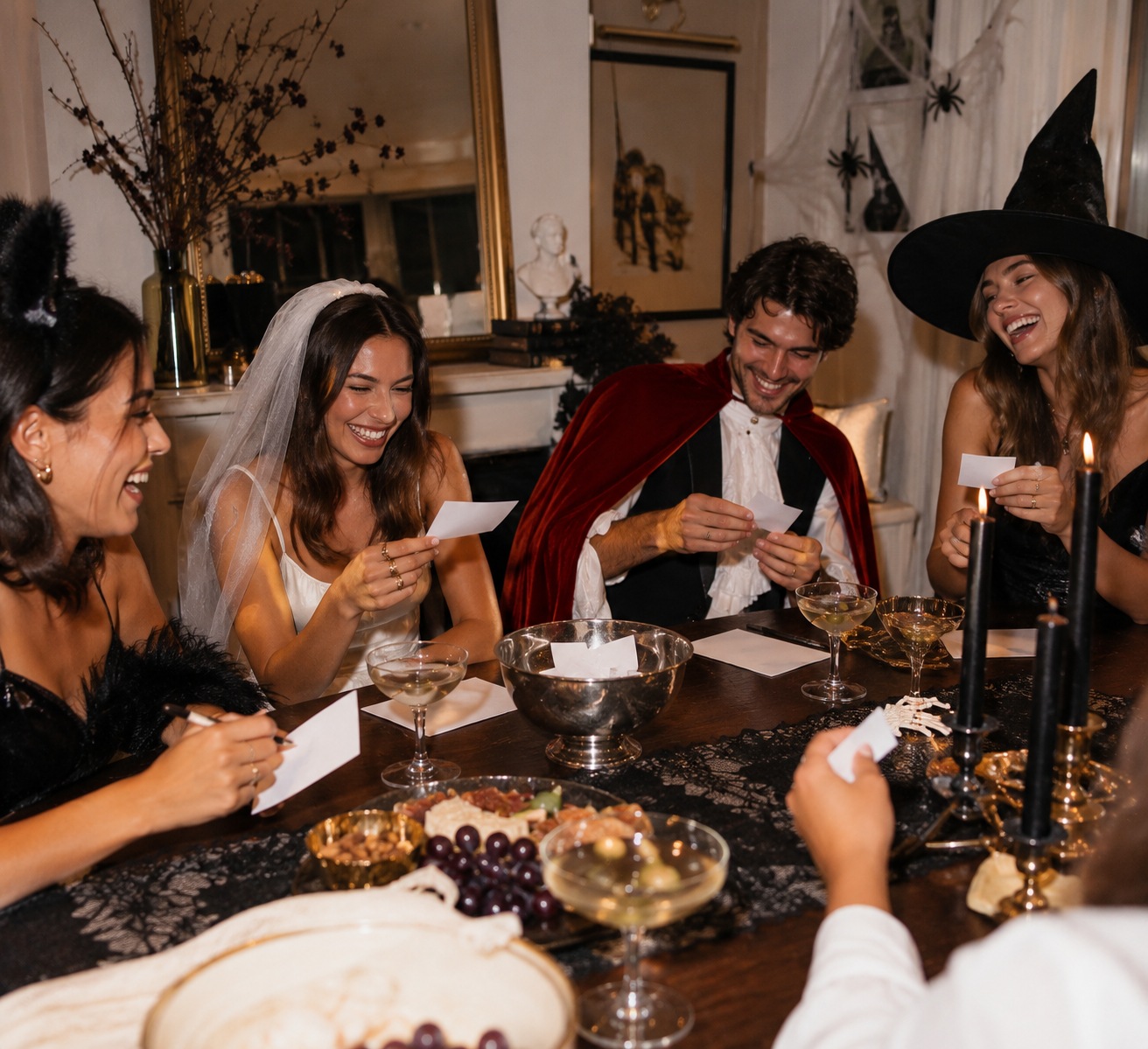
Ask Partytrick: How to Host an Adult Halloween Party on a Budget
Host a fun, grown-up Halloween party on a budget with simple decorations, mostly store-bought food, easy activities, and stress-free planning using Partytrick.


Host How I Host: Lindsay Landman on Thoughtful Hosting and Guest Comfort
Event planner Lindsay Landman shares how comfort-first choices—from flexible timing and generous self-service to personal place cards—help guests feel welcomed and remembered.
.webp)
How to Decorate for Hanukkah
Your easy guide for how to decorate your home for Hanukkah. Let it be aglow.
Sign up for expert tips, exclusive content, and the 411 on the latest parties—all straight to your inbox.
Your shortcut to stress-free hosting
Spend less time coordinating and more time actually connecting.