


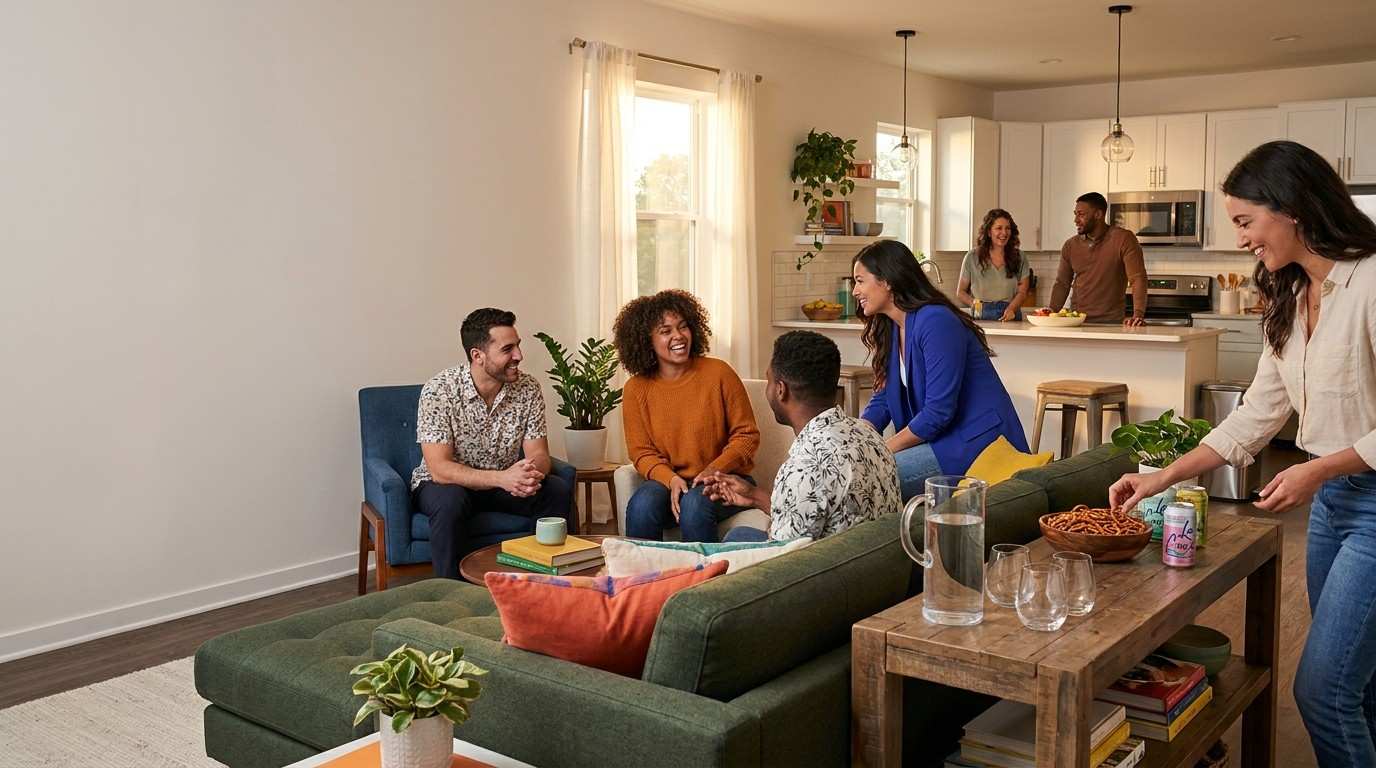
Create a “Third Place” at Home: A Low-Pressure Hosting Ritual People Actually Return To
Create a “Third Place” at Home: A Low-Pressure Hosting Ritual People Actually Return To
Many of us are more connected than ever on paper, yet still missing the feeling of truly belonging. What we’re craving isn’t another text thread or a packed event. It’s a place where we can drop in, exhale, and feel at home with other people.
Sociologists call this a “third place”: a space outside of work and home where relationships grow naturally over time. Think of the neighborhood café, the local coffee shop, or a friend’s house where everyone is always welcome.
And that last one may be the most powerful of all.
Because with a little intention, your home can become the place people return to again and again.
It doesn’t have to be beautifully styled or carefully planned. People come back because they know they’ll feel relaxed, welcomed, and glad they showed up.
That’s the real secret to building community: consistency, not perfection.
When you host in a simple, low-key way, your home takes on a different role. It becomes the place friends know they can drop by, settle in, and spend meaningful time together. Over time, that sense of ease is what turns your home into the kind of gathering place people naturally return to.
What is a “third place” and why does it matter?
A third place is a space outside of work and home where people feel welcome, relaxed, and comfortable returning to. Think: familiar faces, easy conversation, no big expectations.
Third places matter because they create routine connections. They’re where relationships deepen over time—not through one big catch-up, but through small repeated moments. A quick hello turns into a full conversation. Acquaintances become friends.
It’s no surprise that third places are getting more attention right now. People are craving more in-person connections, but they want it to feel natural and low-pressure. Not every get-together needs to be a fully planned event. Sometimes, all it takes is a space that feels welcoming and easy to come back to.
That’s exactly why creating a third place at home works: it’s personal, familiar, and can be built around the kind of connection you actually want more of.
What makes a space feel like a third place?
A third place isn’t defined by fancy decor or a big guest list. It’s defined by how people feel when they’re there and how easy it is to come back.
Here’s what creates that feeling:
1) Comfort
People stay longer when the space feels physically comfortable—seating that works, enough room to spread out, and an atmosphere that doesn’t feel “stiff.”
2) Familiarity
Third places feel known. When guests recognize the setup, the vibe, or even the snack table, it reduces the mental effort of showing up. Familiar = relaxing.
3) Low expectations
A true third place doesn’t come with a “hosting performance.” Guests shouldn’t feel like they have to dress up, bring something, or stay for a set amount of time.
4) Easy access to food and drinks
The more self-serve and casual, the better. It keeps people comfortable, and it keeps you from feeling like you have to manage everyone.
How to create a third place at home (what to actually focus on)
You don’t need to overhaul your home to create a third place. You need a few repeatable pillars that make gathering feel effortless—for you and for guests.
Focus 1: Comfortable Setup
Think seating and layout, not decoration. Prioritize:
A “circle” or clustered seating arrangement (so conversation is easy)
A mix of seating types (couch + chairs + floor pillows if that’s your style)
Clear surfaces for drinks/plates
Why it works: A comfortable layout encourages people to settle in, stay longer, and relax into the moment.
Focus 2: Simple, Repeatable Hosting Format
Pick a format you can repeat without thinking too hard. Here are some easy examples to consider:
- A help-yourself snack night with chips, dips, and a few easy extras
- A bring-your-own-drink gathering that keeps things simple
- Dessert and tea with friends
- A Sunday reset catch-up before the week begins
Keep it the same style each time—same time window, same vibe, similar setup.
Why it works: Repeatable formats remove friction. Guests know what to expect, and you don’t have to reinvent the wheel every time.
Focus 3: Easy Food + Drink Access
Go self-serve whenever possible:
- One drink station (water, sodas, a simple signature option)
- One snack zone (bowls, plates, napkins all in one place)
- Keep anything that needs to be served hot to a minimum unless it’s genuinely simple to prepare and serve.
Why it works: Self-serve keeps things casual and gives people autonomy, plus it lets you actually participate instead of constantly hosting.
Focus 4: Consistency Over Time
Your goal isn’t one amazing night. It’s a gathering people can return to.
Try:
- A recurring invite cadence (weekly, biweekly, monthly)
- A consistent time window (“Drop in anytime between 6–9”)
- A standing group text or invite list for easy re-invites
Why it works: Consistency builds habit. Over time, people stop seeing it as “an event” and start seeing it as a place they belong.
Three ways to keep hosting low-pressure and sustainable
A third place only works if it doesn’t burn you out. The goal is a gathering style you can keep doing even on a regular week.
A few simple habits can make hosting feel easy enough to do again and again. Start with these three:
- Don’t overplan: Skip the packed agenda. Your “plan” can be: snacks, music, and a comfortable place to sit.
- Keep the format simple: Choose one reliable format and repeat it. A signature snack board beats a new menu every time.
- Let people come and go: The ‘third place’ vibe works best when it’s flexible. Give guests permission to drop in late, leave early, or just stay for one drink.
What should you avoid when trying to create a third place?
Some hosting habits accidentally make gatherings feel harder (and less repeatable). Here’s what to steer clear of:
- Overhosting: If every gathering feels like a production, people will feel pressure, and you’ll feel exhausted.
- Formal setups: Assigned seating, sit-down dinner timing, or “creating the perfect table” expectations can make it feel like an occasion instead of a third place.
- Changing things too often: Consistency is the point. If every gathering is a new theme, guests can’t build familiarity—and you can’t build a sustainable rhythm.
Why do people keep coming back to certain spaces?
People come back for two simple reasons: it feels easy, and it feels good to be there.
1. Familiarity
When guests know what to expect—the general vibe, the timing, and that there’s no pressure to bring anything or dress up—it becomes much easier to say yes.
2. Comfort
The best gatherings feel relaxed. The food is simple, the pace is unhurried, and no one feels like they need to impress anyone.
3. Natural connection
Great third places make interaction feel effortless. Guests can jump into conversation, help themselves to a snack, or simply settle in and enjoy being around other people.
That’s what turns occasional hosting into something more meaningful. When your home feels welcoming and easy to return to, gathering with friends becomes part of the rhythm of everyday life.
If you’re ready to make hosting feel simpler, create a free Partytrick account. You’ll get access to playbooks, planning tools, and curated recommendations that help you host with less stress and create gatherings people will want to come back to.
Frequently asked questions about creating a third place at home
What is a third place?
A third place is a space outside of home and work where people gather regularly and feel at ease. It’s somewhere that feels familiar, welcoming, and easy to return to.
Can your home become a third place?
Absolutely. When your home feels relaxed, inviting, and low-pressure, it can become the kind of place friends naturally want to come back to.
What makes people want to return?
People come back when gatherings feel both easy and enjoyable. A familiar rhythm, a comfortable atmosphere, and the freedom to simply show up are what turn occasional get-togethers into lasting traditions.
More articles

Halloween Movie Night Snacks and an Easy Popcorn Bar
Make your Halloween movie night extra festive with spooky snacks, sweet treats, and an easy DIY popcorn bar everyone will love.
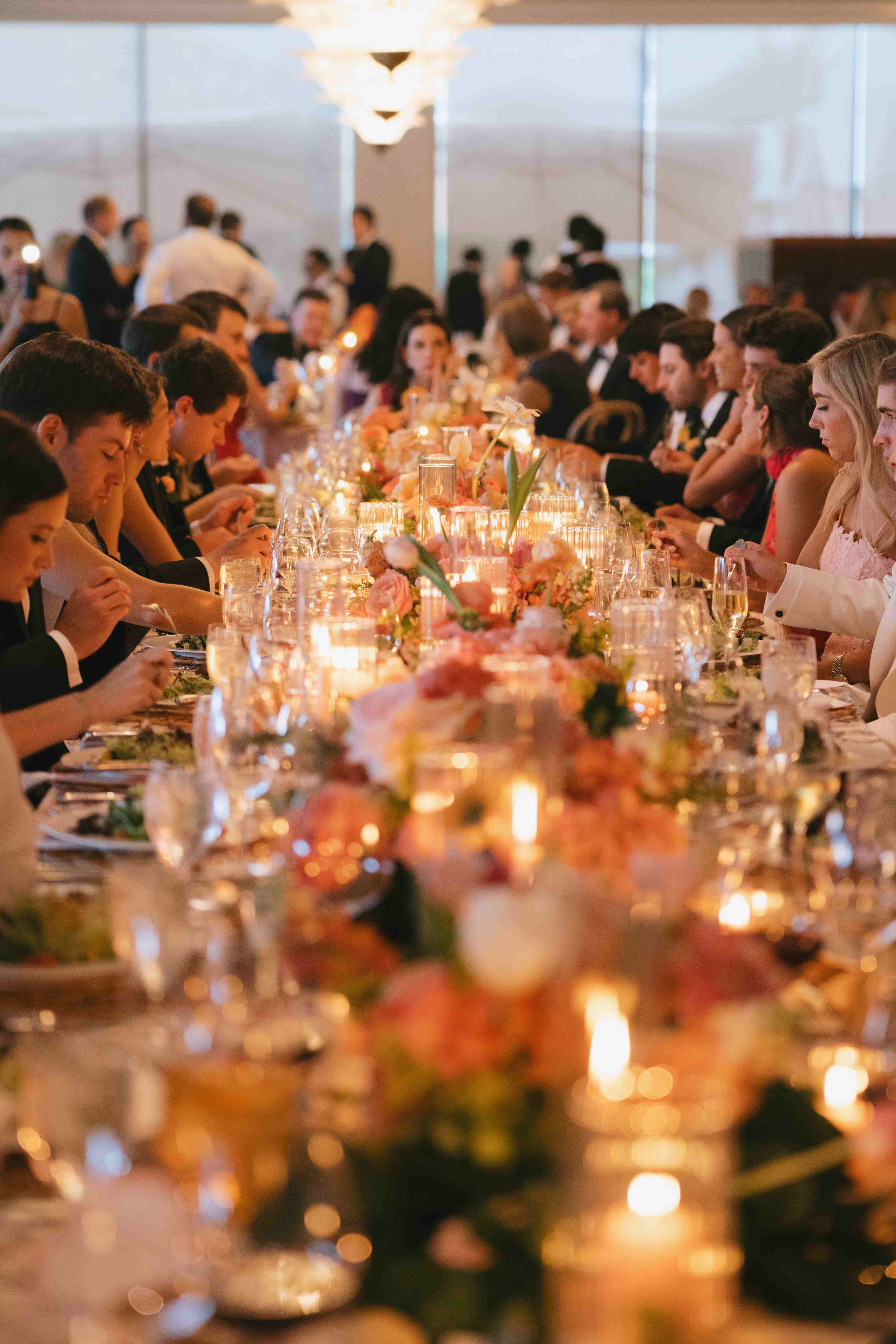

Host How I Host: Alexa Larberg on Effortless, Unforgettable Celebrations
Event planner Alexa Larberg believes memorable gatherings begin with how you want people to feel—not with a perfect room or elaborate plan. Her approach pairs thoughtful preparation with personal details and a little surprise, so the host can be present when guests arrive.

Partytrick Local: Where to Eat, Shop, and Gather in the Hudson Valley
Explore Hudson, Millerton, and Chatham through local favorites for cozy cafés, charming shops, farm-to-table dining, art, and scenic outdoor experiences to make your next gathering unforgettable.
Sign up for expert tips, exclusive content, and the 411 on the latest parties—all straight to your inbox.
Your shortcut to stress-free hosting
Spend less time coordinating and more time actually connecting.