


Why Juneteenth Is Rooted in Community, Celebration, and Gathering
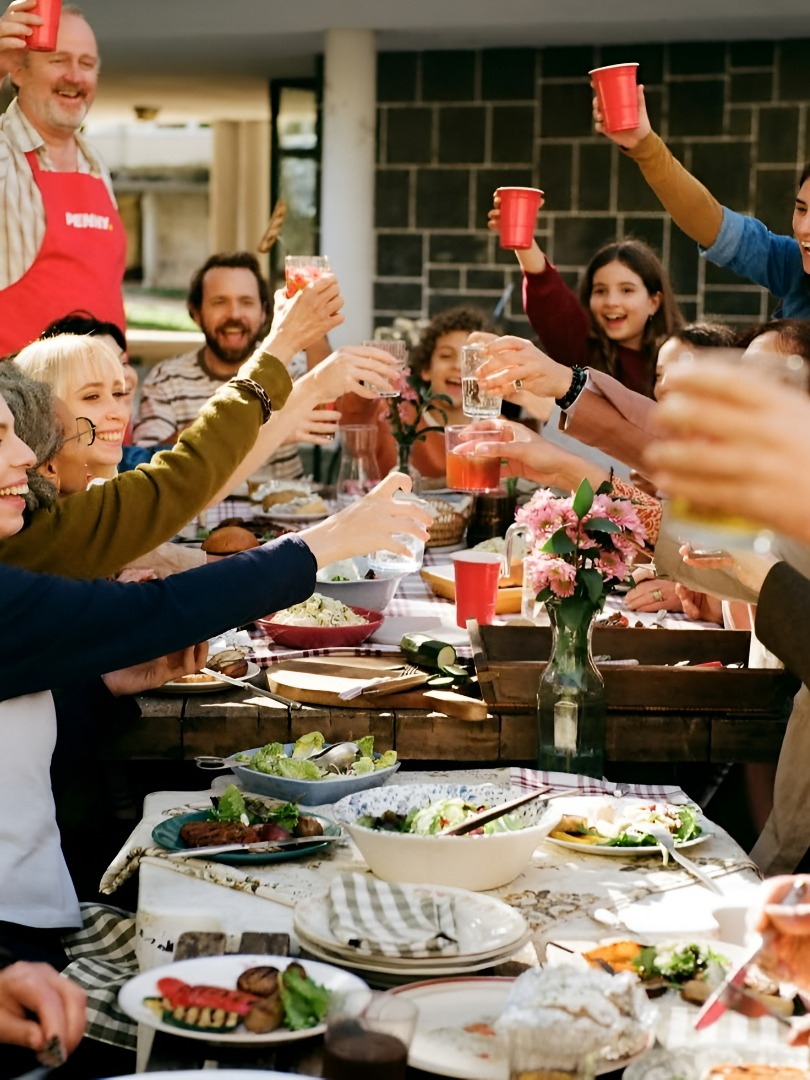
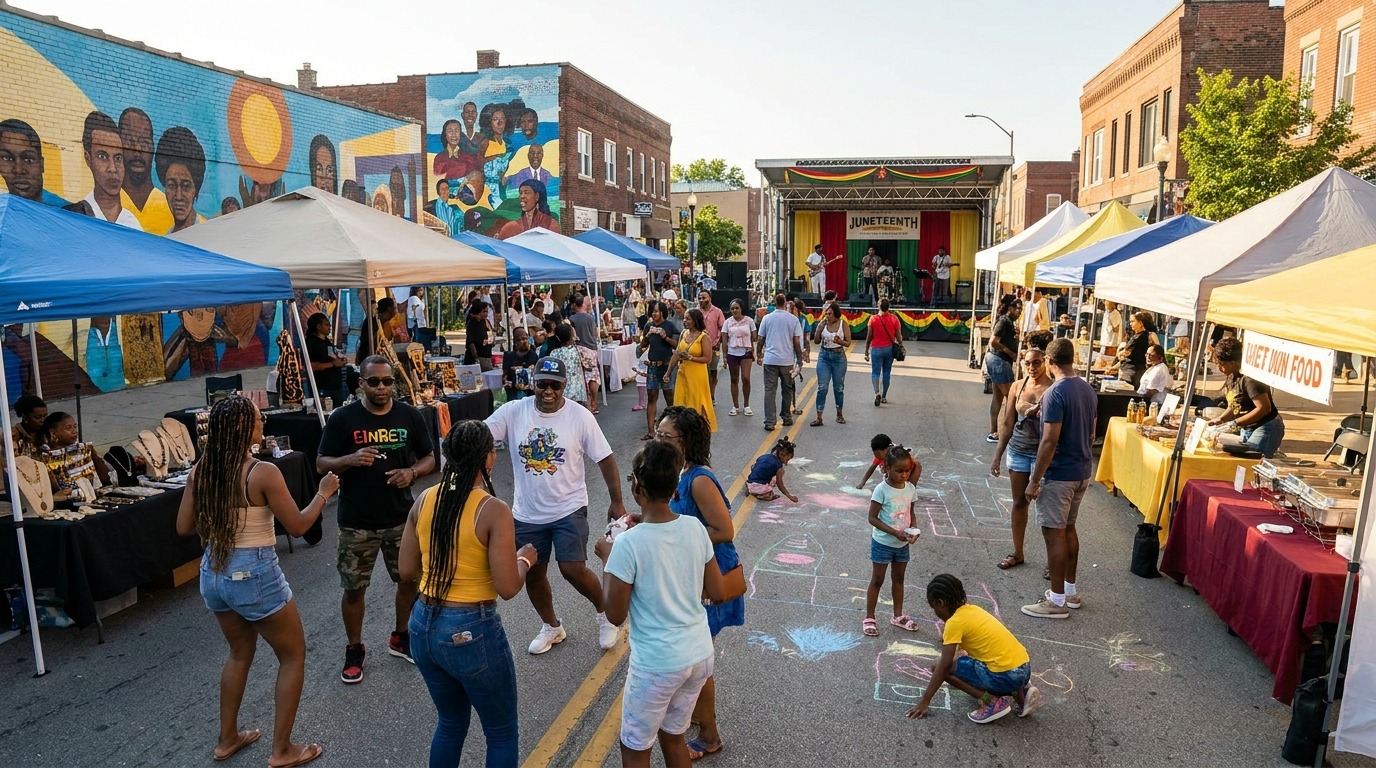
Every year on June 19, communities across the United States come together to celebrate Juneteenth through festivals, family reunions, cookouts, parades, educational events, and shared meals. Streets fill with music, parks become gathering places, and families travel across cities and states to spend time together.
While traditions vary from place to place, one thing remains constant: Juneteenth has always been about people coming together.
Community, celebration, and gathering have been at the heart of the holiday since its earliest observances, creating opportunities to honor history, celebrate freedom, and strengthen connections across generations.
More than a historical commemoration, a Juneteenth celebration is an expression of resilience, remembrance, and joy. It is a day that reminds us of the power of gathering and the role community plays in preserving history and shaping the future.
What Is Juneteenth?
Juneteenth commemorates June 19, 1865, when news of emancipation finally reached enslaved people in Texas—more than two years after President Abraham Lincoln issued the Emancipation Proclamation in 1863.
On that day, Union General Gordon Granger arrived in Galveston, Texas, and announced that enslaved people were free. While the Emancipation Proclamation had legally declared freedom for many enslaved individuals, its enforcement depended on Union military presence. As a result, many people remained enslaved until the news reached them.
The significance of June 19 quickly became part of local commemorations and annual celebrations. Over time, Juneteenth history became woven into community traditions that spread across the country.
Today, Juneteenth is recognized as a federal holiday in the United States, reflecting its importance as a day of remembrance, education, and celebration.
Why Community Has Always Been Central to Juneteenth
From the earliest Juneteenth traditions, community has been at the center of the holiday.
Following emancipation, many newly freed African Americans gathered to celebrate their freedom with friends, family members, neighbors, and faith communities. These gatherings offered opportunities to reconnect with loved ones, share experiences, and envision new possibilities for the future.
Churches often played an important role in early Juneteenth celebrations. They served as gathering spaces where communities could worship, reflect, and commemorate the significance of freedom. Religious services were frequently accompanied by meals, music, speeches, and educational programs.
Family reunions also became a major part of Juneteenth observances. For many families, the holiday provided a dedicated time to gather, reconnect across generations, and celebrate together.
As communities grew, public celebrations expanded to include festivals, parades, concerts, and community-wide events. These gatherings created opportunities not only for celebration but also for education and cultural preservation.
In many ways, gathering itself became one of the most important Juneteenth traditions. The act of coming together helped strengthen bonds, preserve shared history, and create a sense of belonging that continues today.

The Role of Food in Juneteenth Celebrations
Food has long been one of the most meaningful and cherished parts of a Juneteenth celebration.
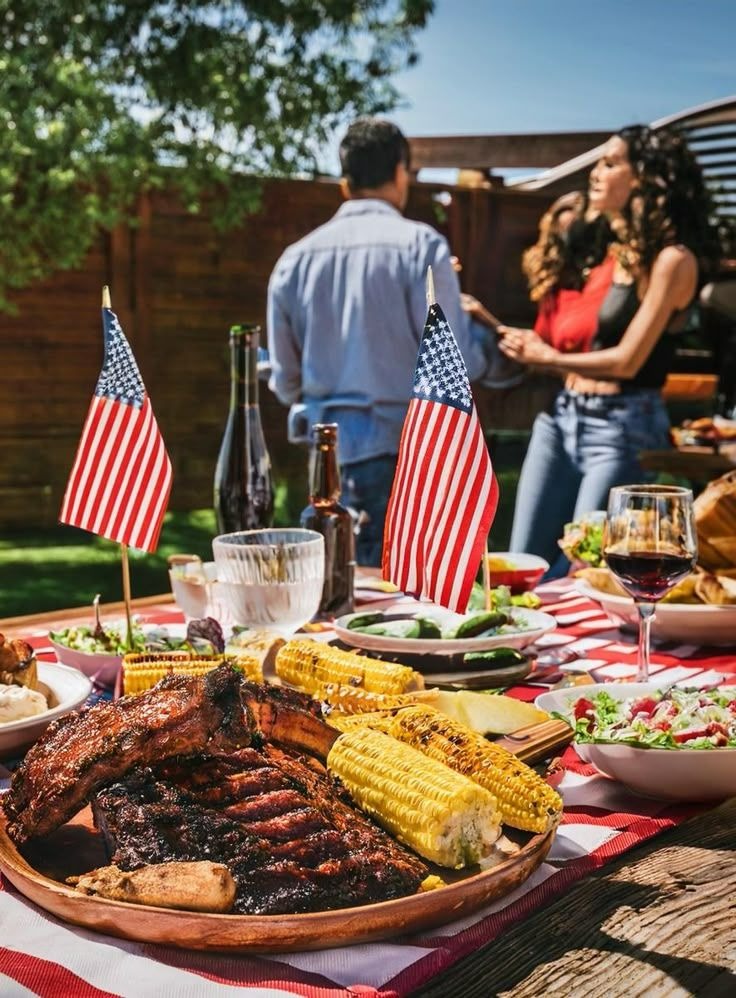
Across the country, families and communities mark the occasion with cookouts, barbecues, picnics, potlucks, and community meals. The tradition of sharing food creates opportunities for connection, storytelling, and fellowship.
Many Juneteenth gatherings center on recipes passed down through generations. Family members often prepare dishes that carry personal and cultural significance, creating a tangible connection to history and heritage.
Community cookouts are especially common.
Parks, backyards, churches, and community centers become gathering spaces where people can enjoy food together while celebrating the holiday's significance. These meals often bring together multiple generations, allowing grandparents, parents, and children to share stories and traditions around the table.
Potluck-style gatherings also reflect the communal spirit of the holiday. Everyone contributes something, reinforcing the idea that celebration is a shared experience rather than an individual one.
One of the most recognizable Juneteenth food traditions is the presence of red foods and beverages. Red-colored drinks, cakes, fruits, and other dishes are commonly featured during celebrations. While interpretations vary, many view the color red as symbolizing resilience, sacrifice, strength, and remembrance.
Popular examples may include:
- Red velvet cake
- Strawberry desserts
- Watermelon
- Hibiscus beverages
- Fruit punches
- Red sodas
Beyond symbolism, these foods have become familiar parts of annual celebrations that connect communities through shared customs.
Food also serves as a bridge between generations.
As recipes are prepared and shared, family stories naturally emerge. Grandparents pass down cooking techniques. Parents share memories of previous celebrations. Children learn about family history and cultural traditions through experiences that feel natural and engaging.
In many Juneteenth gatherings, some of the most meaningful moments happen not during formal speeches or events but around the dinner table, picnic blanket, or backyard grill. Shared meals create space for conversation, laughter, reflection, and connection.
This is one reason food remains such a central part of Juneteenth traditions. It brings people together in ways that foster both celebration and remembrance.
How Gathering Helps Preserve Traditions
Gathering has always been one of the most effective ways to preserve history and pass traditions from one generation to the next.
When people come together for Juneteenth, they create opportunities for storytelling. Family members share memories, elders recount personal experiences, and communities revisit historical events that might otherwise fade with time.
Storytelling transforms history from something found only in books into something that feels personal and alive.
Children and younger generations often learn about family history during these gatherings. Through conversations, photographs, recipes, music, and shared experiences, they gain a deeper understanding of their heritage and the holiday's significance.
Juneteenth community celebrations also create space for educational programming. Many events include guest speakers, historical exhibits, performances, and cultural presentations that help attendees better understand the history behind the holiday.
These moments of learning are important because they ensure that the meaning of Juneteenth continues to be understood and appreciated.
In-person gatherings play a unique role in preserving traditions. While information can be shared digitally, there is something powerful about learning directly from family members and community leaders in a shared space. Personal stories, conversations, and lived experiences create lasting memories that are difficult to replicate elsewhere.
By gathering year after year, communities help keep traditions alive while ensuring that history remains relevant for future generations.
Why Celebration Matters
Juneteenth is both a day of remembrance and a celebration of freedom, resilience, and community.
While it is important to acknowledge the historical realities that gave rise to the holiday, the celebration itself is a meaningful and intentional part of the tradition.
Celebration recognizes progress. It honors the perseverance of those who came before while acknowledging the achievements and contributions of generations that followed.
Music plays a major role in many Juneteenth celebrations. Live performances, cultural showcases, marching bands, and community concerts create opportunities for expression, creativity, and joy.
Festivals and public events often bring together people from diverse backgrounds, helping build understanding and strengthen community connections.
Annual traditions also contribute to the holiday's significance. Families may return to the same gathering each year, attend the same community event, or prepare the same favorite recipes. These repeated rituals help create a sense of continuity and belonging.
Perhaps most importantly, Juneteenth reminds us that joy itself has value.
Celebrating freedom, culture, family, and community is not separate from remembrance; it is often part of it. Joy reflects resilience. It honors the strength of those who endured hardship while creating space to appreciate the freedoms and opportunities available today.
What Juneteenth Can Teach Us About Gathering
The traditions surrounding Juneteenth offer valuable lessons about what makes gatherings meaningful.
At their best, gatherings bring people together around a shared purpose. Whether that purpose is celebrating freedom, preserving history, honoring family, or simply spending time together, meaningful gatherings create deeper connections between people.
Juneteenth demonstrates the power of intentional gathering. People come together not merely to attend an event but to participate in a tradition that carries significance and meaning.
These celebrations also highlight the importance of creating space for connection. Shared meals, conversations, music, and storytelling all help strengthen relationships and foster a sense of community.
Traditions matter because they give people something to return to year after year. They create continuity, build identity, and help communities maintain important cultural connections.
This lesson extends far beyond Juneteenth.
Whether hosting a family dinner, organizing a neighborhood event, or planning a community celebration, gatherings can bring people closer together and create lasting memories.
At Partytrick, we believe the most memorable gatherings are about more than decorations, menus, or logistics. They're about creating moments of connection that help people feel seen, valued, and connected to one another.
Juneteenth serves as a powerful reminder that gathering with intention can strengthen relationships, preserve traditions, and build stronger communities.
Conclusion
At its heart, Juneteenth is a celebration of freedom, community, and remembrance. For generations, people have marked the occasion by gathering with family, friends, and neighbors to share meals, tell stories, and celebrate together.
These traditions remind us that gathering is about more than being in the same place. It's about preserving history, strengthening community, and creating connections that endure long after the celebration ends.
Looking for More Gathering Inspiration?
Looking for inspiration for your next summer gathering? Explore Partytrick's hosting guides, playlists, and gathering ideas designed to help you bring people together with less stress and more connection.
More articles

Halloween Party Ideas from the Pros: How to Host a Night Guests Still Talk About
Ask a professional what makes a Halloween party work, and the answer is rarely just a pumpkin.

Halloween Party Themes for Adults That Go Beyond Costumes
Host a Halloween night built around something your friends will enjoy doing together, with costumes optional. Explore ten adult party themes, with simple food pairings and practical tips to help you choose one that fits your group, space, and budget.

Ask Partytrick: How Do I Host a Halloween Party When Half My Friends Hate Costumes?
Planning a Halloween party when half your friends hate costumes can be simple by making costumes optional and clearly stating the dress code in the invitation. You can center the evening around an activity like a movie night, game night, or pumpkin decorating so everyone feels welcome to join in on the fun.

Sign up for expert tips, exclusive content, and the 411 on the latest parties—all straight to your inbox.
Your shortcut to stress-free hosting
Spend less time coordinating and more time actually connecting.