


The Ultimate Class Party Planning Checklist for Room Parents
Becoming a room parent can feel like both a small honor and a large responsibility. You want the class party to feel fun and thoughtful, but you may also be wondering where to start, how much to plan, what the teacher expects, and how to keep twenty-plus children happily occupied in a classroom with limited time.
The good news: the best classroom parties are rarely the most elaborate.
They are the ones that feel organized, age-appropriate, and easy for students, teachers, and volunteers to enjoy. A few simple activities, a clear schedule, and supplies that are ready before the first child asks what’s next can make the whole event feel much smoother.
This class party planning checklist is designed as a timeline you can follow from the first teacher check-in to the final thank-you note. Whether you are planning a fall celebration, Valentine’s Day exchange, winter party, or end-of-year gathering, use this room parent checklist to stay focused on what matters most: creating a simple, cheerful experience the class can enjoy without last-minute stress.
Confirm Expectations Before You Start Planning
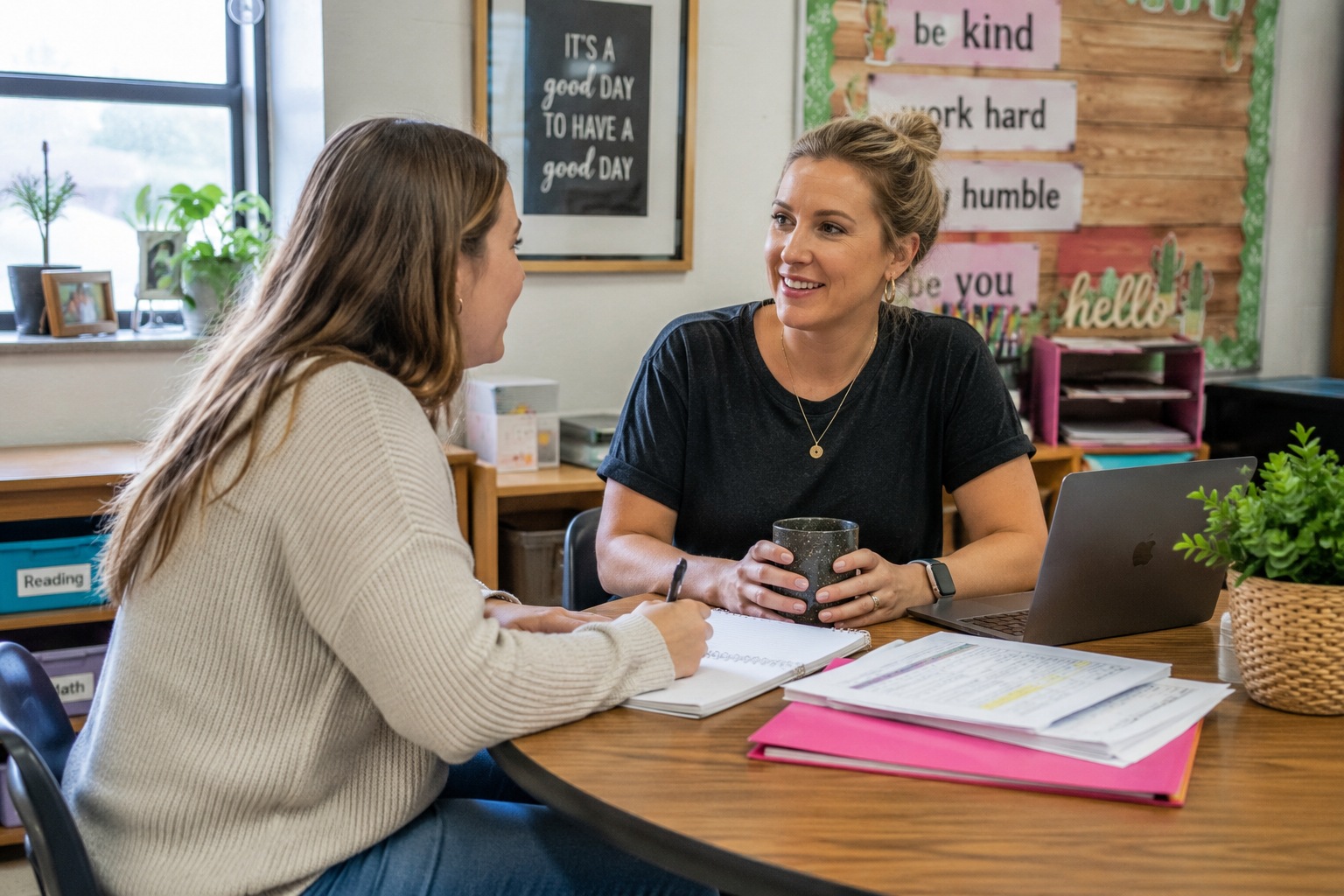
Before you buy craft supplies, ask for snack donations, or start collecting class party ideas, take a step back and clarify the basics. Most classroom party-planning challenges arise when room parents make assumptions too early. A quick conversation with the teacher can save time, money, and confusion later.
Start with the teacher’s expectations and classroom preferences.
Some teachers love stations and movement. Others prefer one whole-class activity followed by a snack. Some may want the party to feel low-key because the school day is already full. Ask what has worked well in the past, what felt too chaotic, and whether there are any students who may need extra support during transitions.
Next, confirm school rules. Many schools have specific policies around food allergies, homemade treats, decorations, photos, and parent participation. If snacks are allowed, ask whether they need to be store-bought, individually wrapped, nut-free, or approved in advance. If you are planning a craft, check whether glitter, paint, balloons, or small pieces are allowed. A cute idea is only helpful if it works inside the school’s guidelines.
Budget is another early question.
Some classrooms collect money at the beginning of the year, while others rely on donated supplies. If there is a budget, ask how much is available for this specific party. If there is not, keep your plan simple and avoid pressuring other families to contribute more than they can.
You will also want to confirm the available classroom time. A 30-minute party needs a very different plan than a 90-minute celebration. Ask when the party starts, when it needs to end, and whether any part of that time is already reserved for a class routine, snack, cleanup, or school-wide activity.
Finally, get the numbers. Confirm how many students are in the class, how many parent volunteers can attend, and whether siblings are allowed. These details affect everything from snack quantities to station planning. If siblings are not permitted, clearly state that in volunteer communications so parents can plan ahead.
Think of this first step as your foundation. Once expectations are clear, every other decision becomes easier.
Four Weeks Before the Party
About four weeks before the celebration, your goal is to move from general ideas to a working plan. This does not mean every detail needs to be finished. It simply means you should know the party's shape, what kind of help you need, and what supplies may be required.
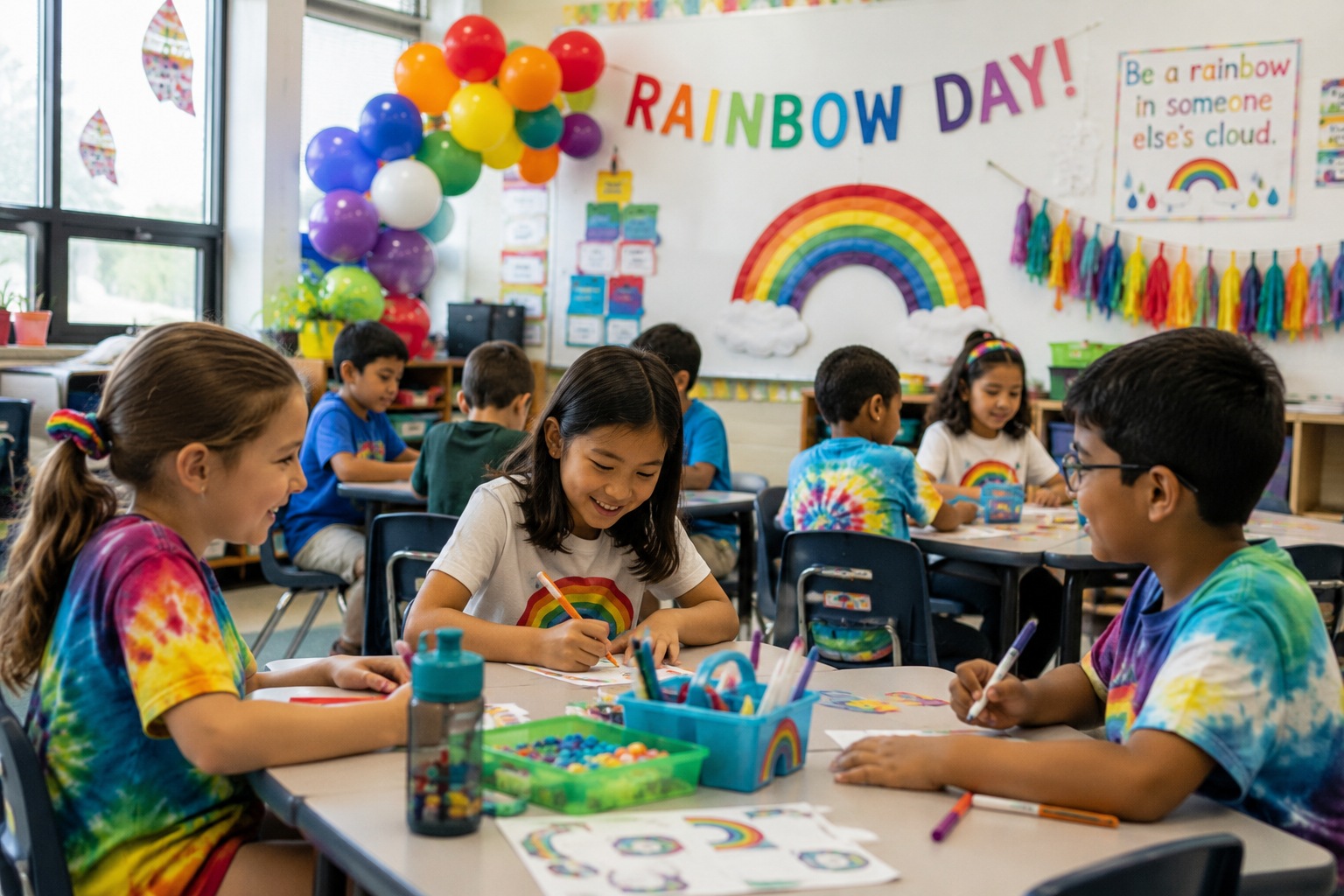
If the party has a theme, choose one that is age-appropriate and easy to execute. A theme can be as simple as “kindness hearts,” “fall fun,” “snow day,” or “rainbow celebration.” It does not need to become a full classroom transformation. For elementary class parties, themes work best when they help you choose activities and supplies, not when they create more work.
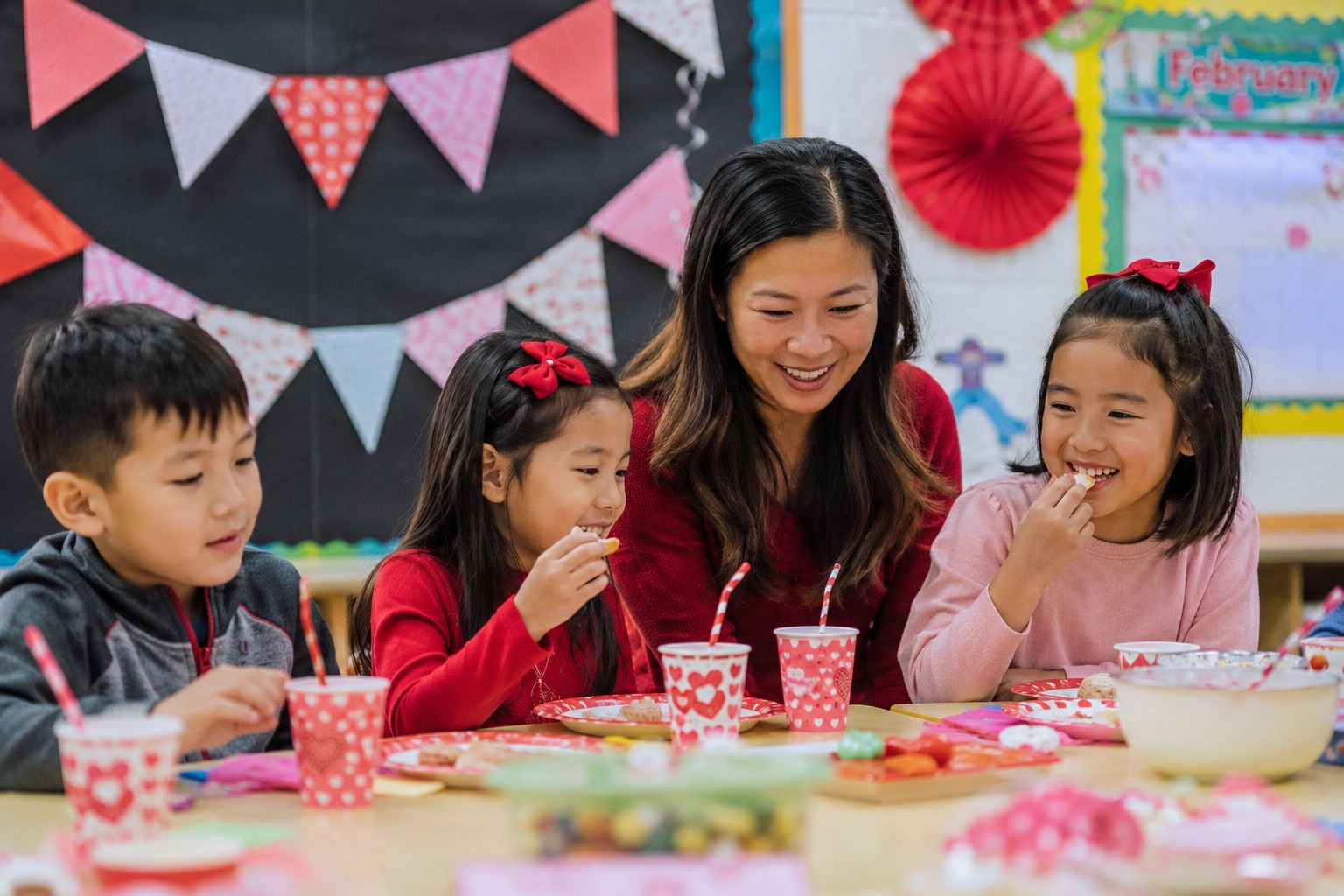
For example, a Valentine’s Day classroom party might include a simple card exchange, a heart-themed craft, and a short kindness game. Partytrick’s Be Mine, Valentine playbook can offer helpful inspiration for kid-friendly crafts, activities, and a cohesive seasonal theme. Around Halloween, the Trick or Treat playbook may be useful for snack and game ideas designed for younger children. For March classroom celebrations, A Wee Little St. Patrick’s Day can help with festive, kid-friendly activity inspiration.
Once the theme is clear, create your planning checklist. Write down the main pieces of the party: schedule, volunteers, food, activities, supplies, decorations, music, cleanup, and follow-up. This becomes your working document and keeps you from trying to hold every detail in your head.
Next, build a volunteer sign-up. Keep it specific. Instead of asking who can help, list clear tasks: bring napkins, lead the craft station, send fruit snacks, manage the game station, arrive 15 minutes early for setup, stay 10 minutes after for cleanup. Specific asks are easier for parents to answer and easier for you to track.
If your party requires shared school equipment, reserve it now. This might include a speaker, projector, extra tables, cafeteria trays, or art supplies. Do not assume these will be available the day of the party.
This is also the right time to begin gathering activity ideas. For first-time room parents, a good classroom party structure often includes three simple parts: one craft or hands-on activity, one movement-based game, and one snack or calm closing moment. If you have a longer party window, stations can work well. If time is short, a single whole-class activity may be easier.
Start your shopping list as ideas take shape. Divide it into categories such as craft supplies, food, paper goods, decorations, labels, and cleanup items. Even if you are not buying anything yet, the list will help you see what can be donated, borrowed, or simplified.
Two Weeks Before
Two weeks before the party, shift your focus from planning to confirming. This is the point where you want fewer open questions and a clearer sense of who is doing what.
- Confirm your volunteers first. Make sure each person knows their role, arrival time, and whether they need to bring anything. If your school requires volunteer check-in, badges, background clearance, or ID, remind volunteers now. A parent who arrives excited to help but cannot enter the classroom creates an avoidable complication.
- Purchase or collect supplies. Waiting until the final few days can make small problems feel bigger than they are. If you discover that the craft kit is out of stock, the stickers are too small for younger students, or the cups are not allowed because of school policy, you still have time to adjust.
- Finalize your games and crafts with the classroom in mind. A classroom party is not the same as a backyard birthday party. Activities should be easy to explain, quick to reset, and manageable in a busy room. Avoid anything that requires long drying time, complicated cutting, messy glue, or too many adult-led steps.
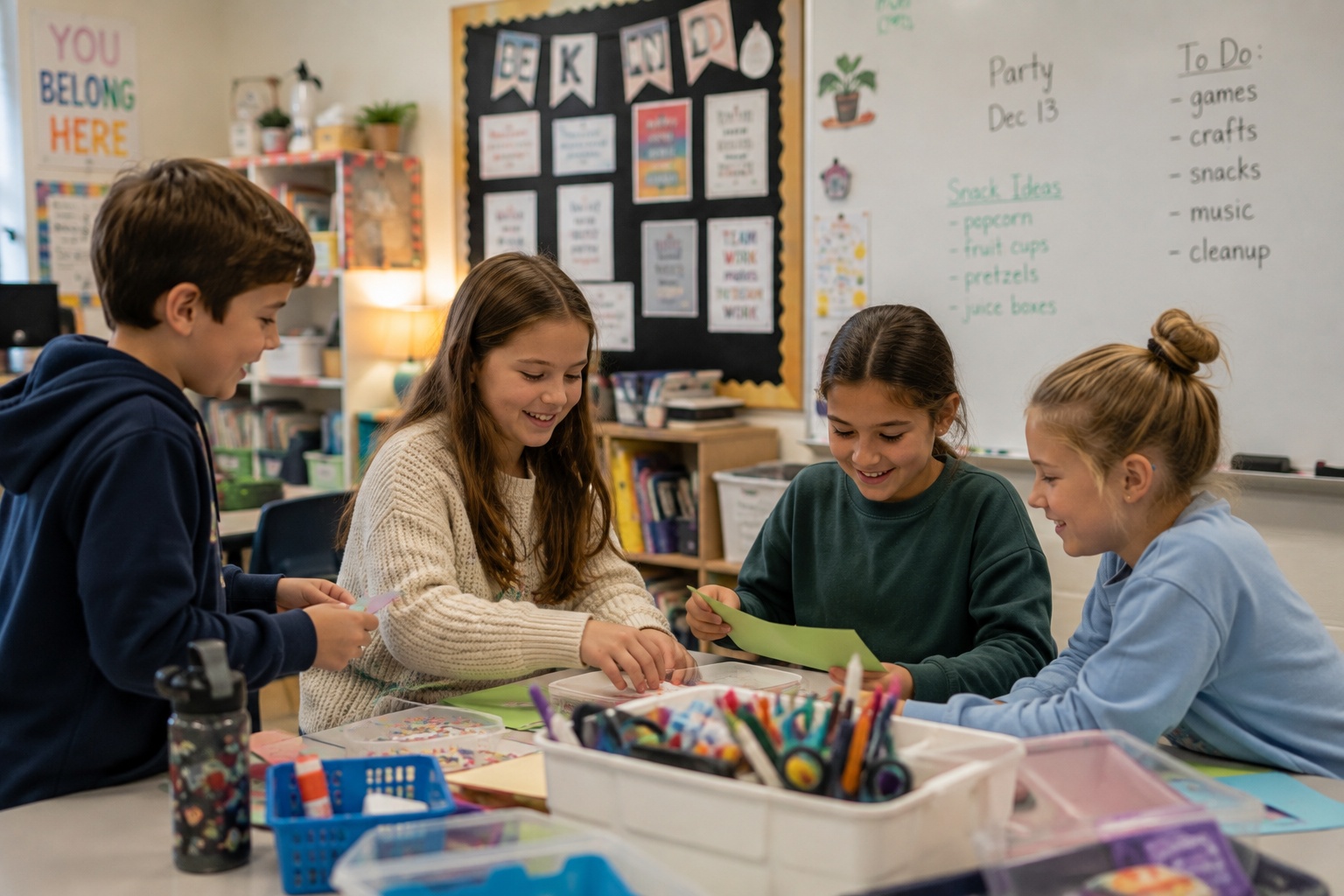
- Plan for activities. For younger elementary students, choose activities with a clear outcome: decorate a bookmark, make a simple card, complete a bingo board, toss beanbags into baskets, or rotate through a short craft station. For older elementary students, you can add more independence with trivia, team challenges, minute-to-win-it games, or simple service projects like making thank-you cards for school staff.
- Coordinate food assignments carefully. Keep snacks simple and follow the teacher’s allergy guidance exactly. If the school allows treats, balance them with easy options such as fruit, pretzels, cheese sticks, popcorn, or allergy-safe packaged snacks. Ask parents to label items when needed and avoid surprise ingredients.
Finally, check back with the teacher about schedule changes. School days shift quickly. Assemblies, testing, field trips, weather delays, and classroom routines can all affect party timing. A brief confirmation two weeks out gives you time to adjust without having to rework the entire plan.
One Week Before
One week before the party, you are preparing a plan to run without constantly making decisions. The more you can assemble, label, and organize now, the calmer the day itself will feel.
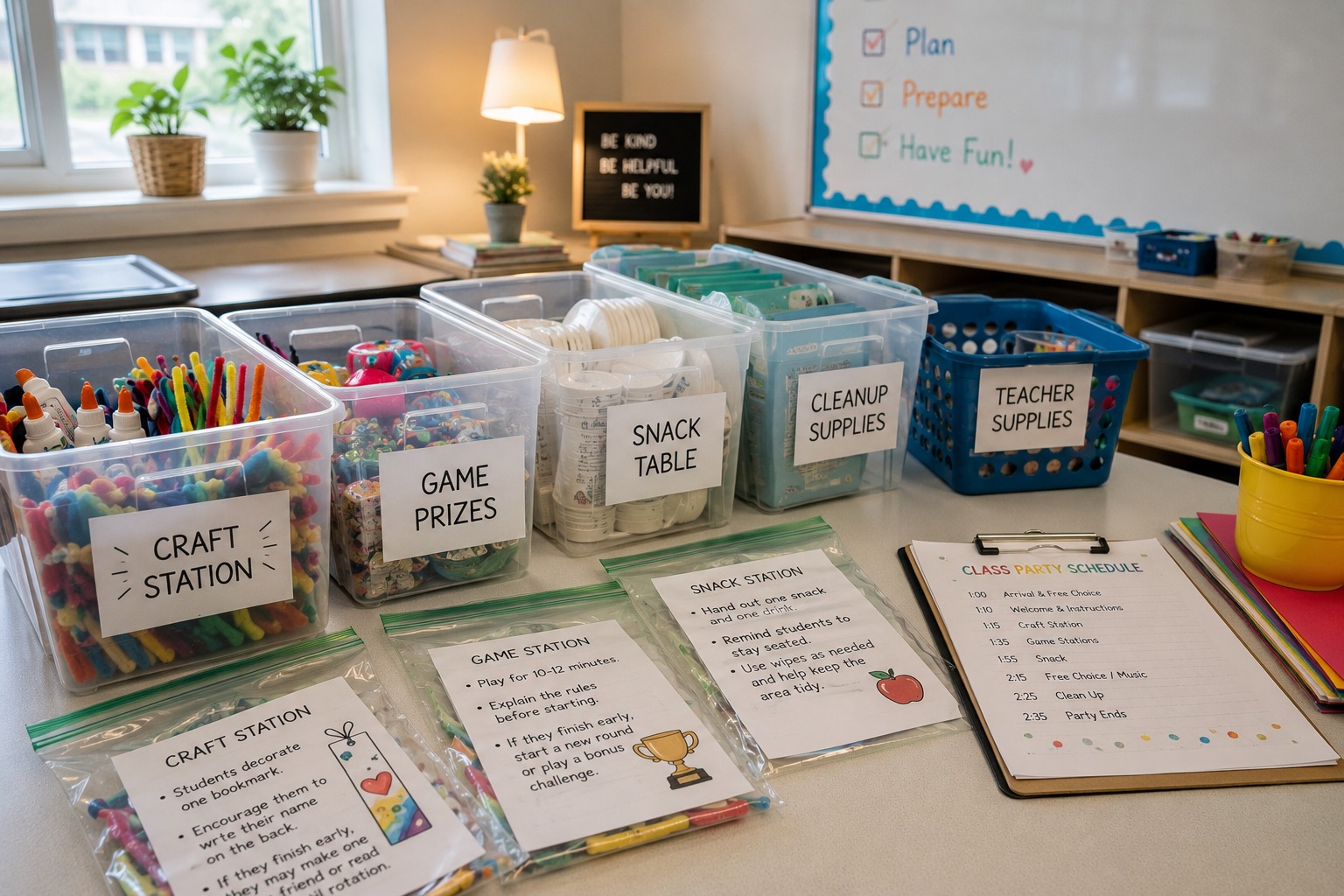
- Begin by assembling activity kits. If students are making a craft, sort supplies into individual bags or station bins. For example, each student might need one paper plate, two pipe cleaners, four stickers, one glue dot sheet, and one instruction card. Pre-sorting saves time and reduces the chance that one table uses all the supplies before another group begins.
- Label everything. Write the activity name on each bin or bag, and add quick notes such as “Craft Station,” “Snack Table,” “Game Prizes,” “Teacher Supplies,” or “Cleanup.” If multiple volunteers are helping, labels allow people to jump in without asking you where everything goes.
- Print volunteer instructions. These do not need to be long. A half-page note for each station is often enough. Include the station goal, how long it should take, what to do if students finish early, and where supplies should go afterward. For example: “Students decorate one bookmark. Encourage them to write their name on the back. If they finish early, they may make one for a friend or read quietly until rotation.”
- Organize all materials into bins, bags, or boxes by activity, not by supply type. A craft bin should contain everything needed for the craft. A snack bin should include plates, napkins, serving utensils, and wipes. This prevents the common day-of scramble where markers are in one bag, scissors are in another, and no one can find the tape.
- Confirm arrival times with volunteers. Let them know where to check in, what time they should be in the classroom, and whether they should come directly to you or wait for the teacher’s direction. If possible, share the party schedule in advance so everyone understands the flow.
This is also a good moment to prepare a simple music option, if the teacher allows it. A classroom-friendly playlist can help with setup, craft time, or cleanup, as long as it stays in the background. The Classroom Friendly/Class Playlist on Spotify is one option to consider if music is permitted.
Day-of Checklist
On the day of the party, your goal is not to create a perfect event. It is to keep the room organized, the children engaged, and the teacher supported.
- Arrive early if school policy allows. Even 10 or 15 minutes can make a difference. Use that time to check in with the teacher, place supplies where they belong, and confirm any last-minute changes. If the teacher needs the party shortened or rearranged, calmly adapt the plan.
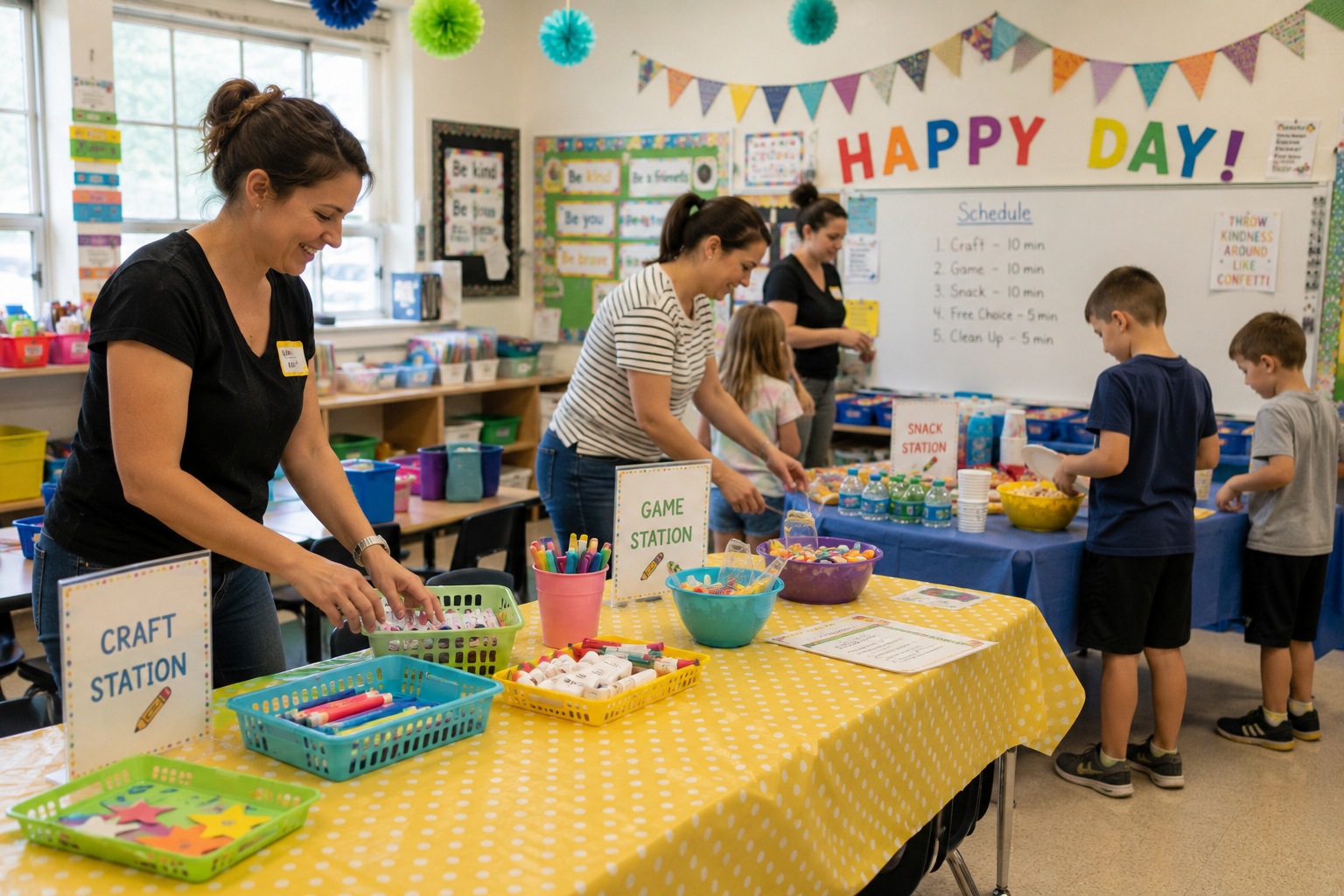
- Set up stations before students begin, if possible. Put only the supplies needed for each activity at that station. Too many materials on the table can become distracting, especially for younger children. Keep backup supplies in a separate spot where volunteers can access them if needed.
- Keep activities moving. Children do well when they know what is happening now and what comes next. A simple verbal preview can help: “We’ll spend ten minutes on the craft, then rotate to the game, and we’ll save snack for the end.” If students are rotating through stations, use a timer and give a one-minute warning before transitions.
- Build in cleanup time before the party officially ends. Cleanup almost always takes longer than expected, especially when crafts, snacks, or costumes are involved. Give students small jobs if the teacher is comfortable with it: throw away napkins, return crayons, stack extra papers, wipe desks, or collect supplies in the correct bin. Many children like helping when the task is clear.
- Be prepared to simplify. If one activity takes longer than expected, skip the extra game. If the class is more energetic than expected, move to a calm snack or read-aloud. If a craft is too complicated, simplify it. A good room parent is not someone who forces every detail to be planned. It is someone who reads the room and helps the celebration feel manageable.
Before everyone leaves, thank your volunteers.
A quick, sincere thank-you in the classroom matters. These are the people who carried bins, passed out snacks, opened glue sticks, helped students find their names, and stayed cheerful through the noise. Acknowledging their help keeps the whole parent community feeling appreciated.
After the Party
The party may be over when the students line up or return to their desks, but a thoughtful wrap-up helps make the next classroom event easier.
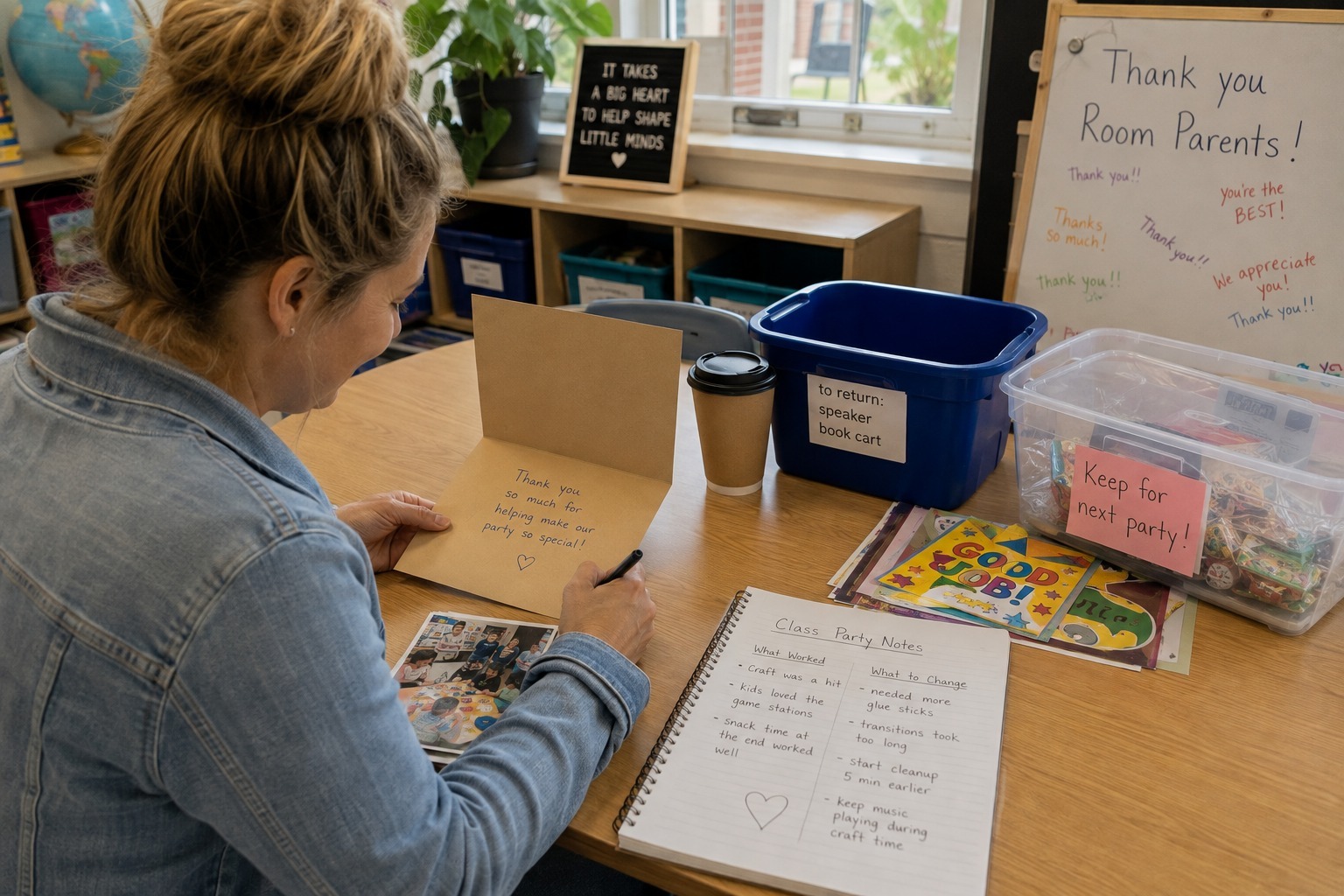
Send thank-you messages to volunteers and families who contributed supplies. Keep the note short and specific. For example: “Thank you for helping with the craft station today. The students loved making their bookmarks, and your calm help kept the table moving.” Specific appreciation feels more meaningful than a general group message.
If photos were taken and school policy allows sharing, send them only through approved channels. Be careful about student privacy. Some classrooms have clear rules about which children can be photographed or where photos may be posted. When in doubt, ask the teacher before sharing anything.
Save notes for next year’s room parent or for the next class party.
Write down what worked, what took too long, what supplies you had left over, and what you would change. These notes are especially useful because classroom parties repeat throughout the year. If the bingo game was a hit but the craft needed too much adult help, your future self will be glad to know.
Store reusable decorations or supplies neatly. Label what remains and return borrowed items promptly. If the classroom has storage space, ask the teacher what should stay. Otherwise, keep reusable items together so they can be used for a future celebration instead of purchased again.
This final step may seem small, but it is part of good classroom party planning. A clean wrap-up makes the whole process feel more organized and respectful of the teacher’s time.
Final Thoughts
A successful elementary class party does not need expensive decorations, elaborate games, or a table that looks like it came from a styled photo shoot. Children remember feeling included, having something fun to do, sharing a snack, laughing with classmates, and seeing the adults around them enjoy the moment too.
Thoughtful planning matters because it creates room for the party to feel easy. When expectations are clear, supplies are organized, volunteers know where to go, and the schedule has breathing room, everyone can relax a little. That is often what makes the celebration feel special.
If this is your first time serving as a room parent, start simple. Choose activities the students can understand quickly. Keep the setup realistic. Ask for help in specific ways. Give yourself permission to skip anything that adds stress without adding much joy.
For more kid-friendly celebration ideas, simple themes, and activity inspiration, explore the Partytrick Playbook Library. And if you’d like more hosting ideas, planning tips, and seasonal inspiration delivered to your inbox, you can also sign up for the Partytrick newsletter.
More articles

Halloween Party Ideas from the Pros: How to Host a Night Guests Still Talk About
Ask a professional what makes a Halloween party work, and the answer is rarely just a pumpkin.

Halloween Party Themes for Adults That Go Beyond Costumes
Host a Halloween night built around something your friends will enjoy doing together, with costumes optional. Explore ten adult party themes, with simple food pairings and practical tips to help you choose one that fits your group, space, and budget.

Ask Partytrick: How Do I Host a Halloween Party When Half My Friends Hate Costumes?
Planning a Halloween party when half your friends hate costumes can be simple by making costumes optional and clearly stating the dress code in the invitation. You can center the evening around an activity like a movie night, game night, or pumpkin decorating so everyone feels welcome to join in on the fun.

Sign up for expert tips, exclusive content, and the 411 on the latest parties—all straight to your inbox.
Your shortcut to stress-free hosting
Spend less time coordinating and more time actually connecting.