


The Challenge No One Talks About After the First Event
Your first event was a success.
People showed up. The conversations were valuable. New connections were made. Maybe customers started asking about the next gathering. Maybe members brought friends. Maybe your team realized events could become an important part of how you build relationships, strengthen community, or grow your business.
That's usually when a new set of questions emerges:
- How do we turn a one-time event into an ongoing series?
- How often should we host gatherings?
- How do we keep people engaged between events?
- How do we make future recurring events easier to plan?
- How do we maintain momentum without overwhelming our team?
Most event advice focuses on planning a successful gathering. Far less attention is given to what happens after the first one.
The reality is that the first event isn't the finish line. It's the beginning of a different challenge: creating an event program that people want to return to again and again.
Whether you're running a Pilates studio, growing a brand community, hosting customer events, or organizing networking gatherings, the long-term value doesn't come from a single great event. It comes from building a rhythm of connection that people can count on.
There's a reason so many brands, studios, and community builders are investing in events. According to EventTrack, 91% of consumers report feeling more positively about a brand after attending a live experience, and 85% say they're more likely to purchase afterward.
For many organizations, the challenge isn't convincing people that events matter. It's figuring out how to make them repeatable.
In other words, events do something that traditional marketing often struggles to achieve: they create trust through participation. The question isn't whether events are valuable. The question is how to turn a successful event into a repeatable program that continues delivering value over time.

Why One Great Event Isn't Enough
Businesses often focus on acquiring new customers, but recurring events create opportunities to deepen relationships with the people who already know and trust you.
That's particularly important because long-term growth is often driven not just by attracting new people, but by giving existing customers, members, and community participants reasons to stay engaged.
One successful event can generate interest. A series of successful recurring events creates familiarity.
People begin recognizing one another. Guests become regulars. Conversations continue between gatherings. Over time, the event becomes less about attending and more about belonging.
When someone has a positive experience at an event, they're not simply evaluating the gathering itself. They're deciding whether to stay connected to the business, the community, or the brand behind it.
The Pilates studio that hosts a monthly member social isn't simply filling a room. It's creating opportunities for members to form friendships outside of class. The boutique that hosts recurring shopping nights isn't just driving sales. It's giving customers a reason to stay connected between purchases. The founder who organizes regular dinners isn't planning a networking event. They're creating a space where relationships can develop over time.
That's why some of the most valuable outcomes happen long after the event ends: a future client, a business partnership, a new friendship, or a stronger sense of connection to a community people want to remain part of.
How Often Should You Host Events?
One of the first questions people ask after a successful event is how quickly they should do it again. The answer depends less on a specific schedule and more on consistency.
A good rule of thumb is to host recurring events often enough that people remember the last one, but not so often that your team struggles to maintain quality. For some organizations, that's monthly. For others, it's quarterly. Consistency matters far more than frequency.
Many organizations make the mistake of hosting one large event and then disappearing for six months. Momentum is difficult to maintain when there are long gaps between opportunities to connect.
That doesn't mean every gathering needs to be elaborate. In fact, some of the strongest communities are built through smaller, more frequent touchpoints.
Monthly Gatherings
Ideal for:
- Studios
- Membership communities
- Networking groups
- Local businesses
Quarterly Signature Events
Ideal for:
- Brands
- Customer communities
- Partner programs
- Professional organizations
Seasonal Experiences
Ideal for:
- Retail businesses
- Hospitality brands
- Lifestyle communities
The goal isn't to pack the calendar. It's to create a schedule your team can realistically support.
The most successful recurring event programs aren't always the busiest. They're the ones that can be executed consistently without creating unnecessary stress for the people planning them.

How to Keep People Engaged Between Events
One of the biggest misconceptions about community building is that engagement only happens when people are together in person.
In reality, the time between events matters just as much.
If someone attends an event and then never hears from you again, the connection begins to fade. Consider ways to extend the experience beyond the gathering itself:
- Share photos and highlights
- Introduce attendees to one another afterward
- Create opportunities for continued conversation
- Invite feedback
- Give people something to look forward to next
The strongest event communities don't start from scratch every time they gather. Each event builds on the momentum of the last one.
Creating a Repeatable Event Format
Many brand hosts assume every event needs to be completely different. Often, the opposite is true.
People enjoy familiarity. Some of the strongest event communities are built around traditions and recurring formats. Attendees know what to expect, which lowers the barrier to showing up and makes each gathering feel like a continuation of something rather than a brand-new experience.
That's why many successful event series follow a repeatable structure. The theme may change, the guest list may evolve, and the experience may grow, but the underlying framework remains recognizable.
A Pilates studio might host a member social on the first Friday of every month. A founder community might gather for a recurring breakfast discussion. A brand might host quarterly customer events built around the same format and flow.
The consistency isn't what makes these events boring. It's what makes them easier to attend.
When people know what they're signing up for, they're more likely to say yes.
A repeatable format doesn't just benefit attendees. It benefits the team behind the event.
When the structure stays relatively consistent, planning becomes more efficient. Timelines can be reused. Vendor relationships become easier to manage. Guest communications require fewer revisions. Team members know their roles and responsibilities.
Instead of rebuilding every event from scratch, you're refining a process that already works.
That's often the difference between a one-time event and a sustainable event program.
The Hidden Challenge of Recurring Event Planning
The first event tests whether people are interested.
The events that follow test whether your team can deliver that experience consistently.
That's where many organizations discover that recurring event planning is very different from planning a single successful gathering.
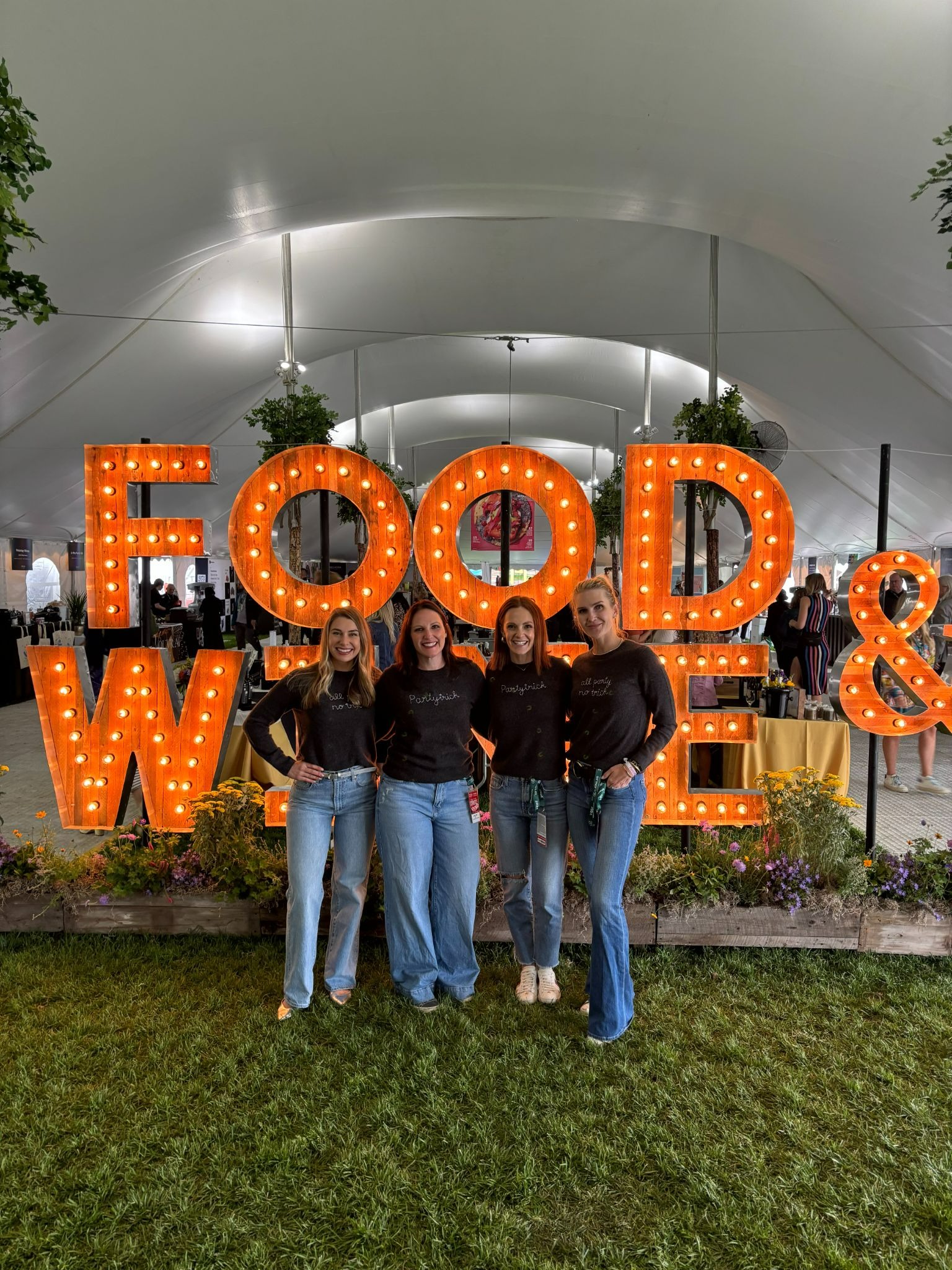
After a few successful events, the hard part usually isn't coming up with the next idea. It's managing everything that comes with it. At Partytrick, we've seen organizations invest heavily in creating memorable experiences, only to discover that the planning process becomes more complicated with each gathering.
As Partytrick founder and CEO, Virginia Frischkorn puts it, "Organizations rarely stop hosting events because they run out of ideas. More often, they stop because the planning process becomes difficult to sustain."
What starts as a single event quickly becomes an ongoing collection of guest lists, vendor relationships, budgets, timelines, and lessons learned. A customer who attended your first event should probably be invited to the next one. A vendor who exceeded expectations should be easy to find. Feedback from attendees should help shape future gatherings.
These details become increasingly valuable over time, but only if they're easy to find when it's time to plan the next event.
At the same time, expectations continue to grow. Customers expect a great experience. Community members want consistency. Leadership wants insight into attendance and outcomes. The team wants each event to be easier to plan than the last.
Without a clear process, recurring events can create the same work over and over again. Information gets scattered across spreadsheets, email threads, documents, and notes. Valuable context gets lost between gatherings, and teams end up spending time searching for information they already have instead of improving the event itself.
The organizations that build successful event programs aren't necessarily hosting larger events. They're getting better at preserving what they've learned and making each event easier to execute than the last.
Preserving that knowledge becomes even more important once event planning involves multiple people.
When Recurring Event Planning Becomes a Team Effort
One of the biggest shifts that happens as event programs grow is that planning stops being a one-person job.
The first event may have been organized by a founder, studio owner, community manager, or marketer working largely on their own. A few events later, multiple people are involved. Marketing is managing promotion and registration. Operations is coordinating logistics. Community managers are communicating with attendees. Leadership wants visibility into budgets, attendance, and outcomes.
The challenge isn't necessarily the size of the team. It's making sure everyone is working from the same information.
The teams that manage recurring events most effectively aren't always the largest. They're often the ones who have figured out how to preserve what they've learned from one event to the next and make that information accessible to everyone involved.
The more recurring events you host, the more important it becomes to have a shared source of truth for your team. Otherwise, critical information ends up living with individual people rather than within the organization.
Without a shared planning process, details end up scattered across spreadsheets, email threads, shared drives, text messages, and meeting notes. Valuable context gets lost, tasks fall through the cracks, and each event can start to feel harder to manage than the last.
The organizations that sustain successful recurring events aren't necessarily more organized by nature. They've simply made it easier for teams to collaborate, stay aligned, and build on previous successes rather than starting from scratch each time.

Build a Recurring Event Planning Process
The first event proves you can bring people together. The next challenge is making sure the planning process becomes easier—not harder—with every event that follows.
Most organizations don't struggle with a lack of event ideas. They struggle because each successful event creates more information to manage: guest lists, vendor contacts, budgets, timelines, team responsibilities, and lessons learned along the way.
At some point, planning starts to feel less like hosting and more like detective work.
As recurring events become a larger part of your business, event planning software can help teams stay aligned, preserve institutional knowledge, and reduce the operational burden of planning from scratch.
Partytrick Teams gives organizations a centralized place to manage recurring events, collaborate with team members, organize timelines, track budgets, and preserve the knowledge that makes future events easier to execute.
Because every successful event should leave your team more prepared for the next one—not scrambling to recreate what you've already learned.
Learn how Partytrick Teams helps organizations manage recurring events and make every event easier to plan than the last.
More articles

Halloween Party Themes for Adults That Go Beyond Costumes
Host a Halloween night built around something your friends will enjoy doing together, with costumes optional. Explore ten adult party themes, with simple food pairings and practical tips to help you choose one that fits your group, space, and budget.

Ask Partytrick: How Do I Host a Halloween Party When Half My Friends Hate Costumes?
Planning a Halloween party when half your friends hate costumes can be simple by making costumes optional and clearly stating the dress code in the invitation. You can center the evening around an activity like a movie night, game night, or pumpkin decorating so everyone feels welcome to join in on the fun.

Easy Halloween Party Food for Adults: A Mostly Store-Bought Menu
Plan an easy adult Halloween party with a mostly store-bought menu, three sample menus, a practical shopping list, and simple tips for drinks, serving, and dietary needs.

Sign up for expert tips, exclusive content, and the 411 on the latest parties—all straight to your inbox.
Your shortcut to stress-free hosting
Spend less time coordinating and more time actually connecting.