


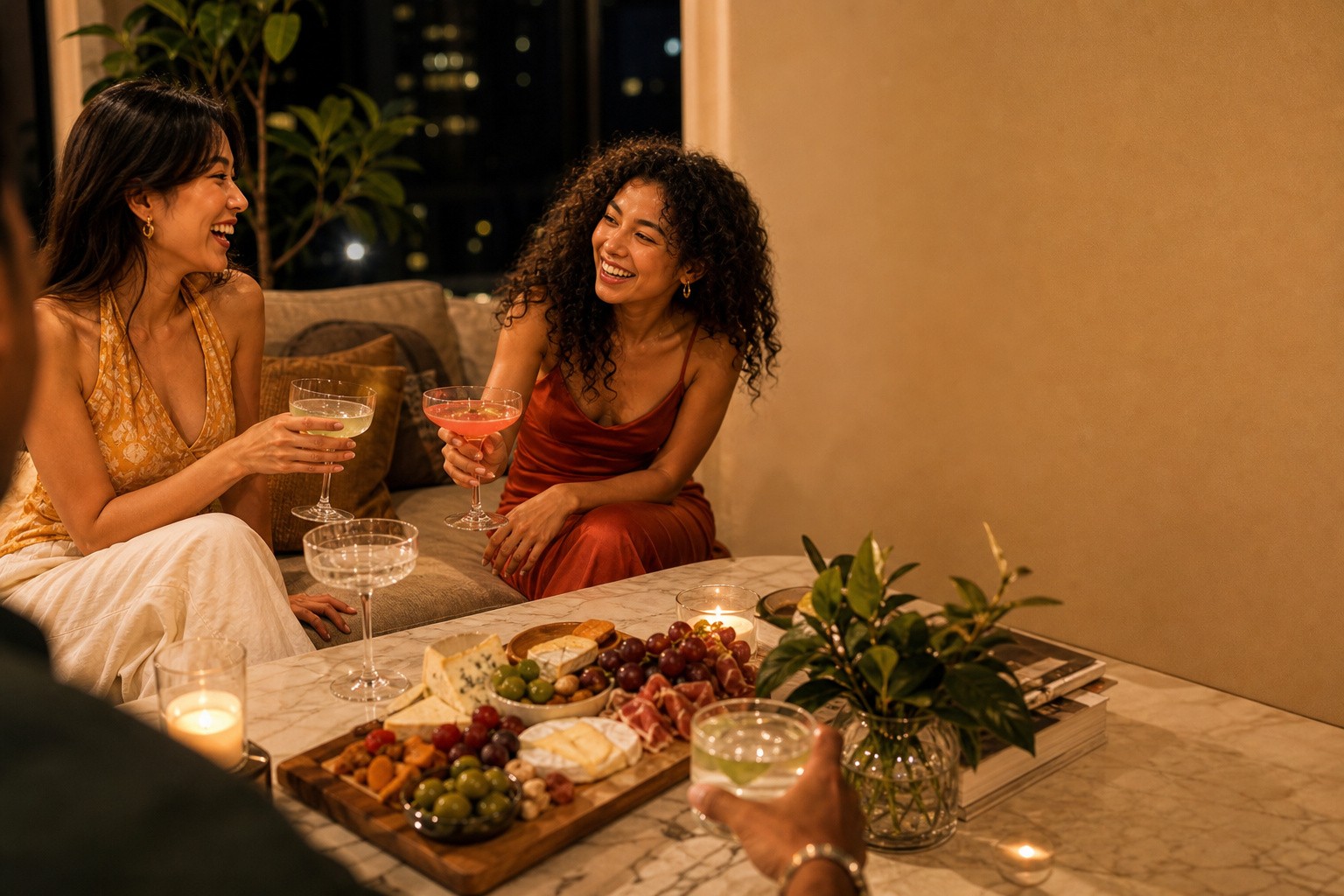
The Best Parties Aren't Built Around Decorations
Scroll through social media, and it’s easy to believe that great parties are built with perfect tablescapes, custom signage, elaborate balloon installations, and carefully coordinated décor.
But think back to the best gathering you’ve ever attended. What do you actually remember?
For most people, it’s not the centerpieces or the color palette. It’s the conversation that lasted longer than expected. The friend they met. The music that was playing. The feeling of wanting the night to continue.
The best parties aren’t built around decorations. They’re built around experiences. Once you start planning that way, your hosting tips get simpler, smarter, and a lot more fun to execute.
Why We Overestimate the Importance of Décor
Décor is the first thing we can see, which makes it feel like the first thing we should perfect. Pinterest boards and Instagram reels don’t just inspire ideas. They quietly set expectations. When every photo shows a styled table and a balloon arch, it can start to feel like those are the entry requirements for hosting a party.
The truth is: décor is appealing because it’s concrete.
You can buy it, assemble it, and check it off a list. It gives planning momentum. It feels productive. When you’re juggling invitations, timing, food, and the possibility that your neighbor might complain about noise, focusing on something visual can feel like control in the middle of chaos.
Plus, visual elements are easy to evaluate. You can stand back and decide, “Yes, this looks good,” or “No, it needs something.” The atmosphere is different. You can’t hold it in your hands. You can’t order it online and have it arrive in two days with Prime shipping.
There’s also a gap between how hosts and guests experience an event.
Hosts see the behind-the-scenes: the prep, the stress, the to-do list, the effort. Guests experience the moment: the welcome, the vibe, the connection. While a host may fixate on whether the napkins match, guests are far more likely to remember whether they felt comfortable walking into the room.
That’s why one of the best party planning tips is also one of the hardest: shift your focus from what looks impressive to what feels intentional.
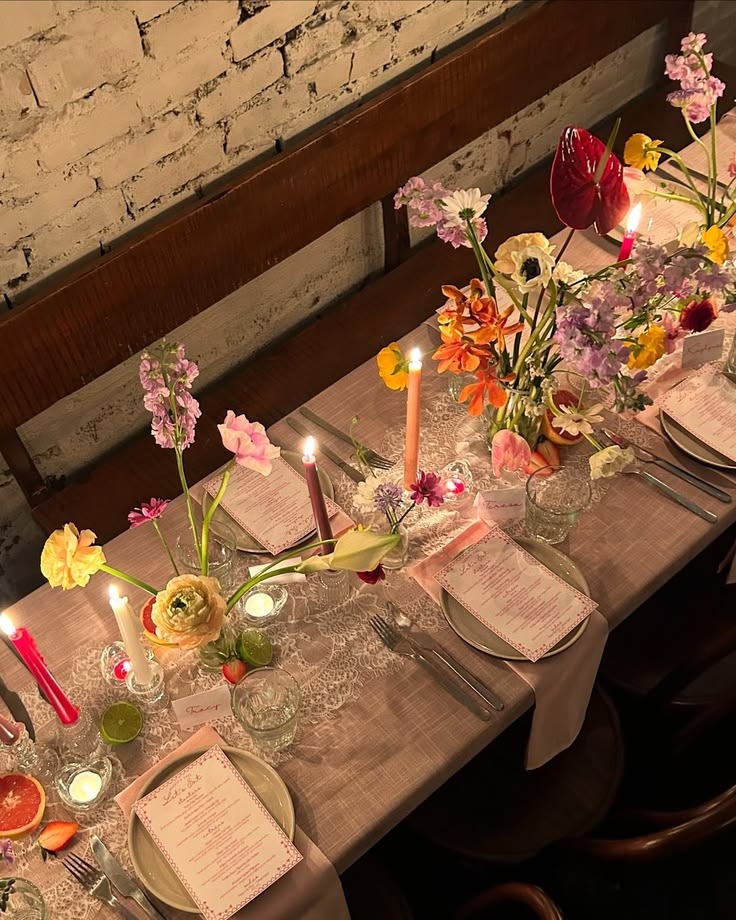
What Guests Actually Remember
Pause for a second and think about the last great party you attended, the kind where you left smiling, or talked about it the next day.
What stands out? It’s the conversation that surprised you. The energy of the room changed when the music hit the right volume, and people relaxed. The small act of hospitality: someone offering you a drink the minute you arrived, making sure you had a seat, or checking in when you looked unsure where to stand.
Guests remember food and drinks because they’re part of the experience, not because they’re fancy. They remember the moment someone brought out warm cookies late at night. They remember the one signature cocktail that everyone kept refilling. They remember the snack table that never ran out.
They also remember shared experiences: a spontaneous dance moment, a simple card game that got competitive, a toast that turned meaningful, and the story someone told that made the whole group laugh.
These are the ingredients of memorable gatherings. They’re emotional. Social. Sensory. They’re what make entertaining at home feel like something more than having people over.
Décor can be lovely. But it’s rarely the reason people linger.
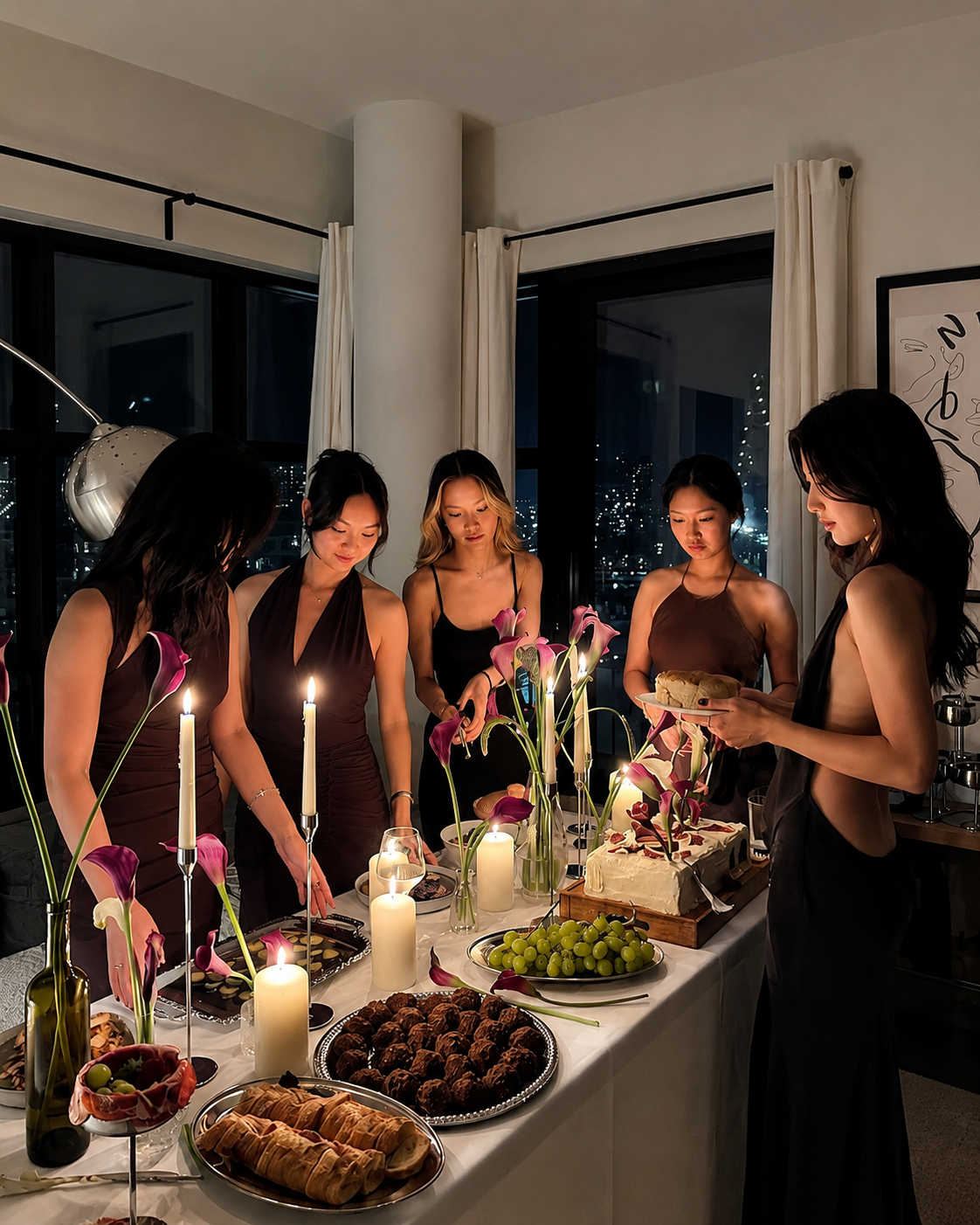
The Four Things That Matter More Than Decorations
If you want your next gathering to feel effortless (even if it isn’t), build your plan around four priorities. These hosting tips scale to any budget, any space, and any style.
A Welcoming Atmosphere
Atmosphere is the fastest way to change how a room feels, and it has almost nothing to do with decorations.
Start with music. A great playlist does more than fill silence. It sets the emotional pace. Light, upbeat tracks help people arrive and settle in. Later, you can shift to something warmer, louder, or more energetic depending on the vibe you want.
Then look at lighting. Overhead lights can feel harsh and everyday. Softer lighting, lamps, dimmers, candles, or even string lights signal that this isn’t just a regular night. It’s a moment.
Finally: comfort. People relax when they can physically settle. Make sure there are enough places to sit, surfaces to set a drink down on, and cozy corners for small talk. Comfort is a hosting superpower because it creates ease without needing a single balloon.
Thoughtful Hospitality
Hospitality is less about perfection and more about attention.
Greet guests when they arrive. It sounds obvious, but it changes everything. The first 30 seconds determine whether someone feels welcome or awkward, especially if they don’t know many people.
Make introductions. If you’ve ever watched someone hover near a doorway, not sure who to talk to, you know how valuable this is. A simple “Have you met ? You both love ” can unlock an entire night of connection.
And keep an eye on inclusion. Great hosts notice when someone is quiet, when a group conversation becomes closed off, or when a guest looks lost. You don’t need to manage the whole room. You just need to create on-ramps for people to belong.
These are the invisible details that make hosting a party feel effortless to everyone else.
Food and Drinks People Actually Enjoy
Food doesn’t have to be fancy. It just has to work.
Aim for abundance and accessibility. That means guests can snack without asking, refill without hunting you down, and eat something even if they missed dinner.
Keep it low-maintenance: big-batch items, store-bought upgrades, and assemble-yourself foods are secretly some of the best entertaining ideas. Think: a great dip trio, a build-your-own taco bar, a sheet-pan of sliders, a dessert board that looks impressive but takes 10 minutes.
For drinks, clarity beats complexity. Offer a few simple options, label them, and make water easy to find. When guests don’t have to guess where things are, they relax, and relaxed guests stay longer.
Opportunities for Connection
Connection doesn’t just happen. It’s designed.
Seating matters. If everyone stands in one tight cluster, conversations can get stuck. Create a few zones so guests can move and reset. A couch area, a kitchen counter perch, a couple of chairs facing each other, and small changes make a big difference.
Conversation matters, too. You don’t need formal icebreakers, but you can create shared moments: a casual game, a group toast, a tell-me-your-highlight-of-the-week prompt, or a small activity like decorating cookies or building a cocktail.
Shared experiences turn a night into a story. That’s what makes gatherings memorable, not the matching napkin rings.
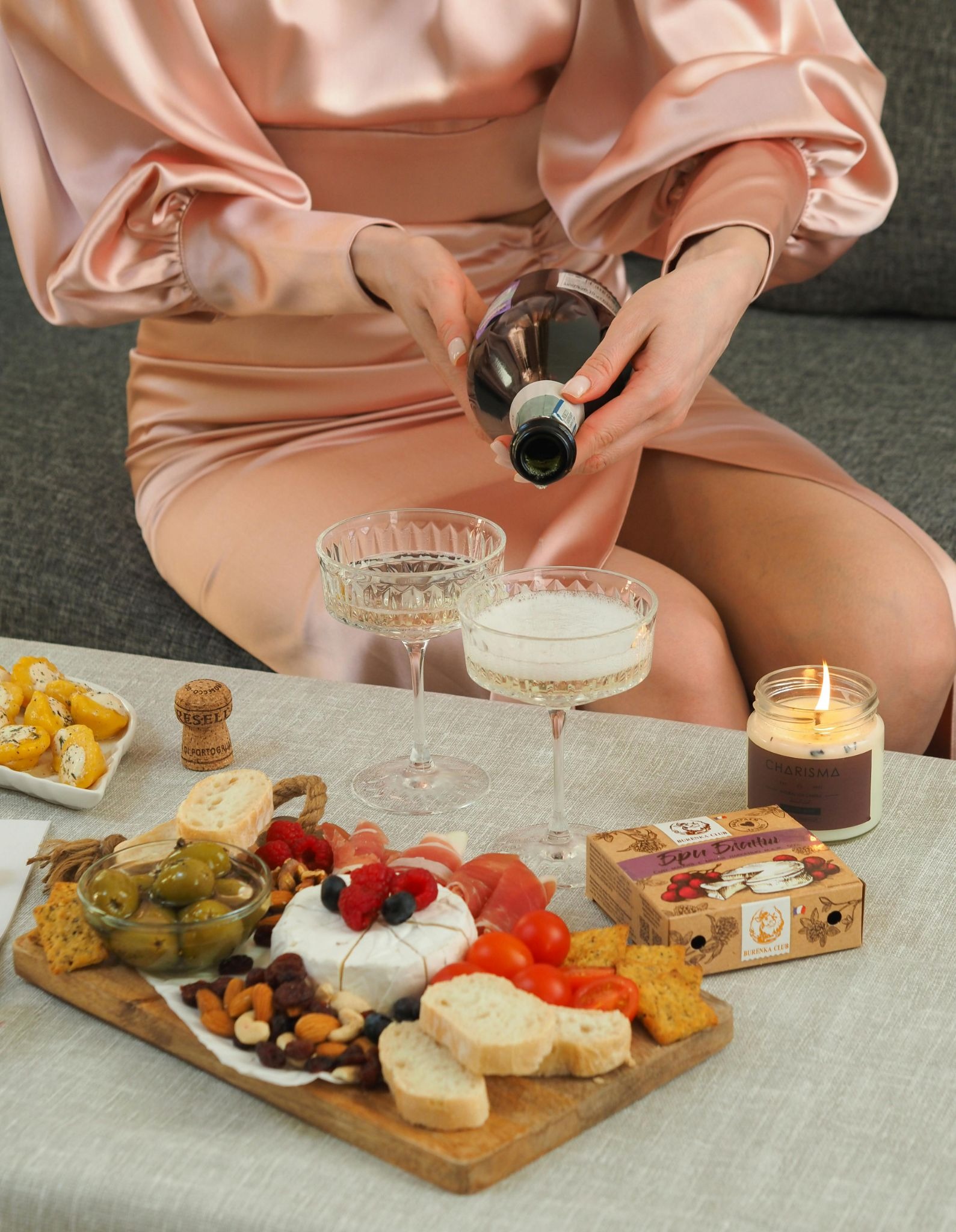
The Difference Between a Beautiful Party and a Memorable One
Imagine two scenarios.
Party A has stunning décor. The table is styled, the setup is complicated, and everything looks perfect. But the host is stressed, the music is too quiet, and people aren’t sure where to gather. Guests admire the space, take a quick photo, make polite small talk, and drift out early because there’s nothing pulling them into the experience.
Party B is simple. The setup is minimal. But the energy is warm. People know where to put their coats, what to drink, and where to settle. The playlist is good. The food keeps coming. The host introduces guests to each other, and laughter spreads through the room. People stay long after the official end time because leaving would mean exiting something that feels alive.
Party A is beautiful.
Party B is a memory.
That’s the difference. The second gathering leaves a stronger impression because it creates emotion: belonging, comfort, connection, delight. Those are the feelings guests carry home, and those are the outcomes to prioritize in your party planning tips.
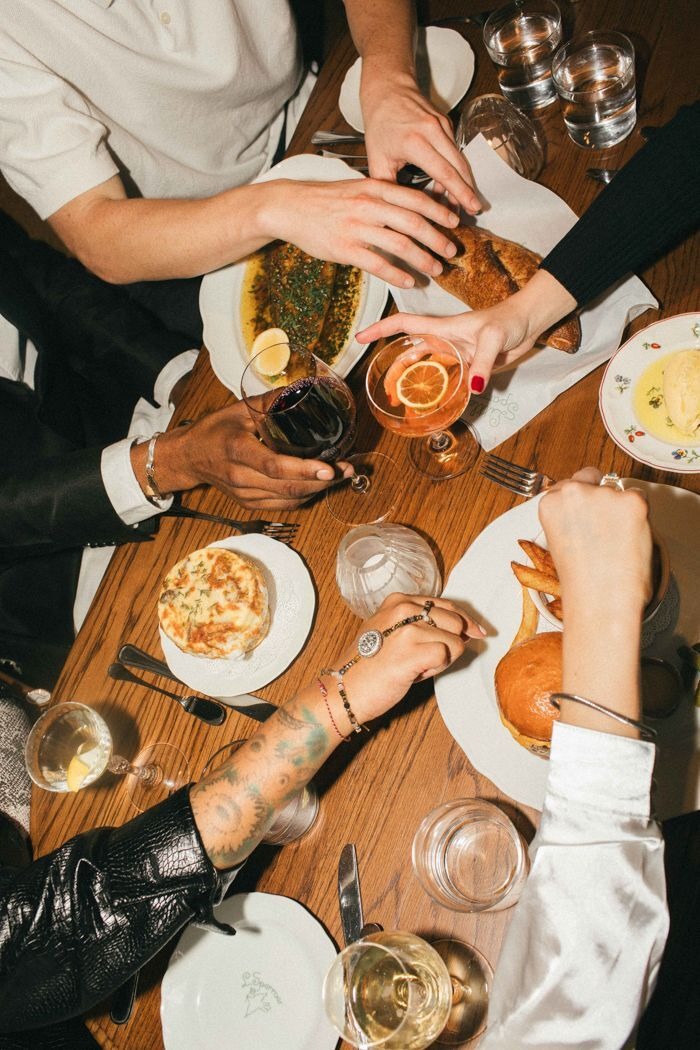
Decorations Should Support the Experience
The best parties aren't built around centerpieces. They're built around people.
Candles can create ambiance instantly. Flowers can make a space feel cared for. Tablescapes can enhance a meal by making it feel special and intentional.
But the goal is simple: décor should support connection, not compete with it.
If decorating drains your energy, steals time from prepping food, or keeps you from being present when guests arrive, it’s no longer serving the experience.
Choose one or two high-impact elements and stop there. Let the rest of your effort go toward the parts that guests will actually feel.
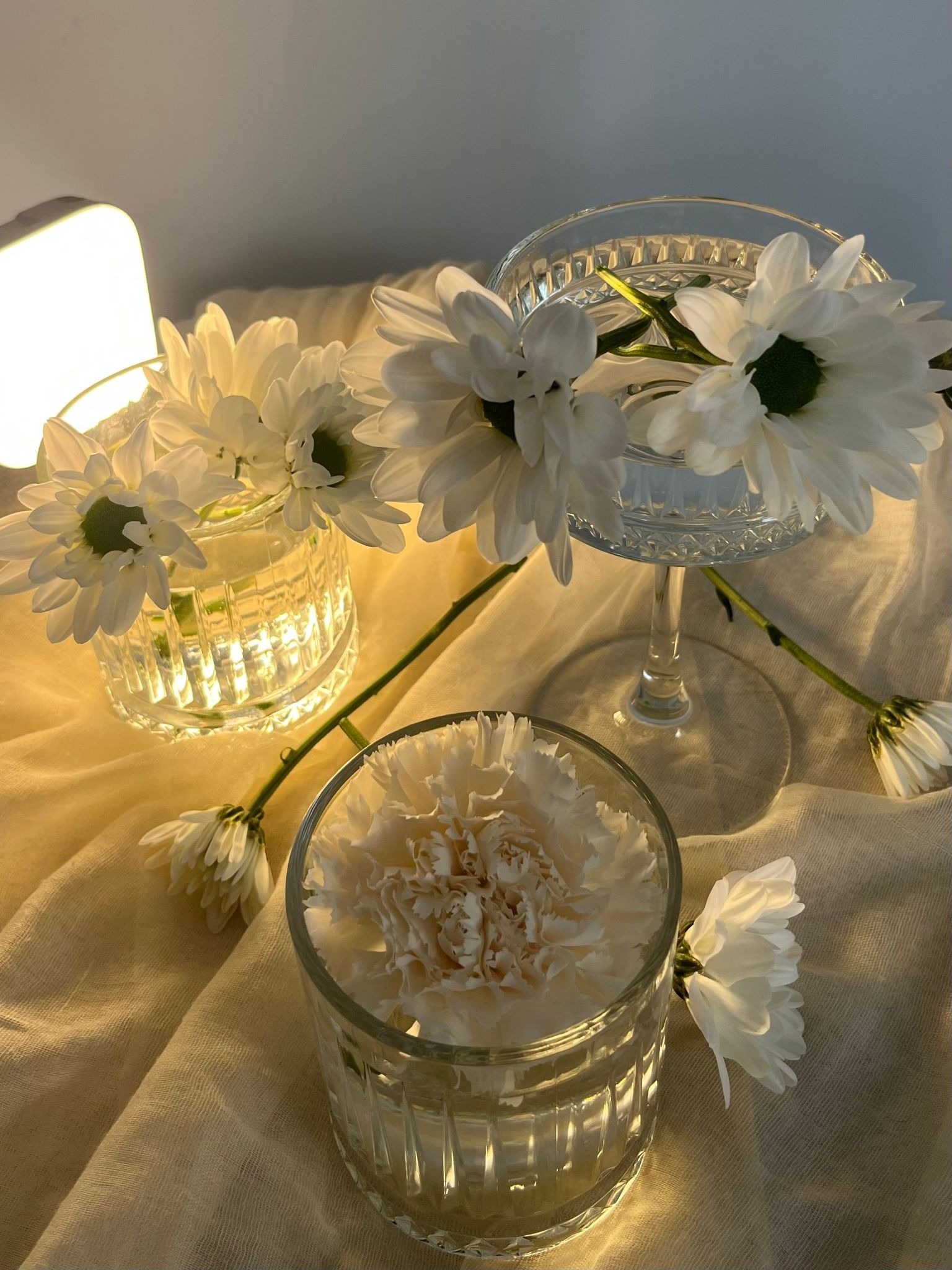
How Great Hosts Think Differently
One of the biggest differences between experienced hosts and everyone else is where they start.
New hosts often focus on the details first: the decorations, the menu, the table setting, or the theme.
Experienced hosts start with something much simpler.
They start with how they want people to feel.
Before making any decisions, ask yourself:
- Do I want guests to feel relaxed?
- Celebrated?
- Comfortable?
- Energized?
- Connected?
The answer becomes your guide for everything that follows.
A relaxed gathering might call for softer lighting, cozy seating, and easy, self-serve food that allows people to help themselves. A celebration might center around a great playlist, a meaningful toast, or a moment that makes someone feel recognized. If you want the energy to stay high, you might lean into upbeat music, a signature drink, or an activity that gets people interacting.
And if your goal is connection, the choices become even more intentional. Thoughtful introductions, conversation-friendly seating, and experiences that give guests something to talk about can all help create a stronger sense of community.
This is what great hosts understand: the best gatherings aren't built around a menu or a color palette. They're built around a feeling.
Once you know how you want people to feel, every other decision becomes easier—and the gathering becomes far more memorable.
Conclusion
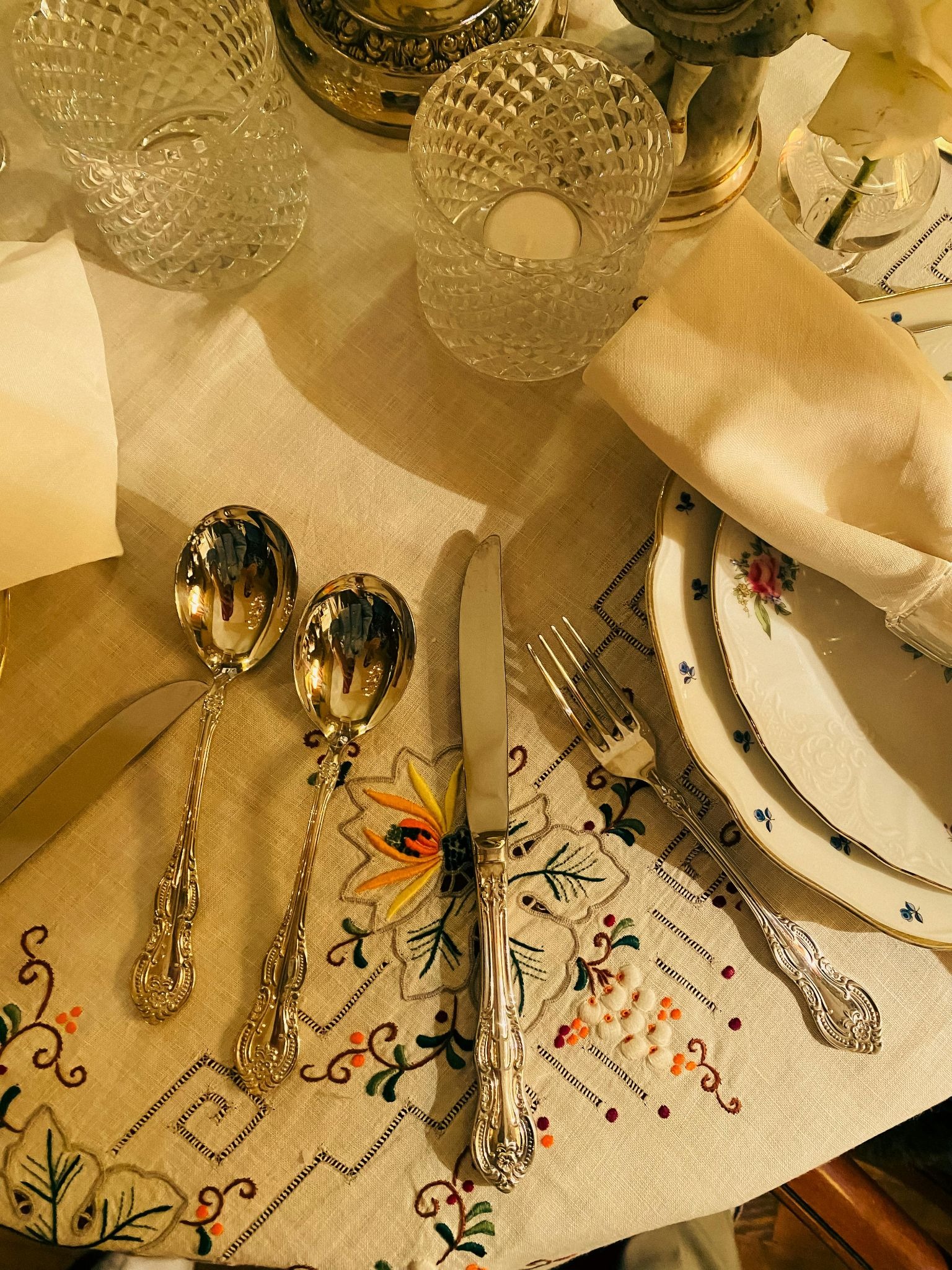
A beautiful table can elevate a gathering. A signature cocktail or fresh flowers can make the experience feel special.
But those details are supporting players, not the reason people leave talking about the night.
What guests remember most is how the gathering felt. The conversation lingered long after dinner. The introduction that turned into a new friendship. The laughter carried across the table. The feeling of being welcomed, included, and genuinely glad they came.
That's what makes a gathering memorable.
The details can enhance the experience, but they're rarely what creates it.
The best parties aren't built around decorations. They're built around connection.
Ready to make hosting easier?
If you’re planning a dinner party, brand activation, or intimate gathering, Partytrick’s playbooks walk you through the full setup—from layout to lighting—so you can feel organized and actually enjoy hosting.
Here are a few to get you started:
Sign up for a free Partytrick account to unlock guided playbooks, curated marketplace finds, and simple tools that help you plan, organize, and actually enjoy your gathering.
More articles

Halloween Party Themes for Adults That Go Beyond Costumes
Host a Halloween night built around something your friends will enjoy doing together, with costumes optional. Explore ten adult party themes, with simple food pairings and practical tips to help you choose one that fits your group, space, and budget.

Ask Partytrick: How Do I Host a Halloween Party When Half My Friends Hate Costumes?
Planning a Halloween party when half your friends hate costumes can be simple by making costumes optional and clearly stating the dress code in the invitation. You can center the evening around an activity like a movie night, game night, or pumpkin decorating so everyone feels welcome to join in on the fun.
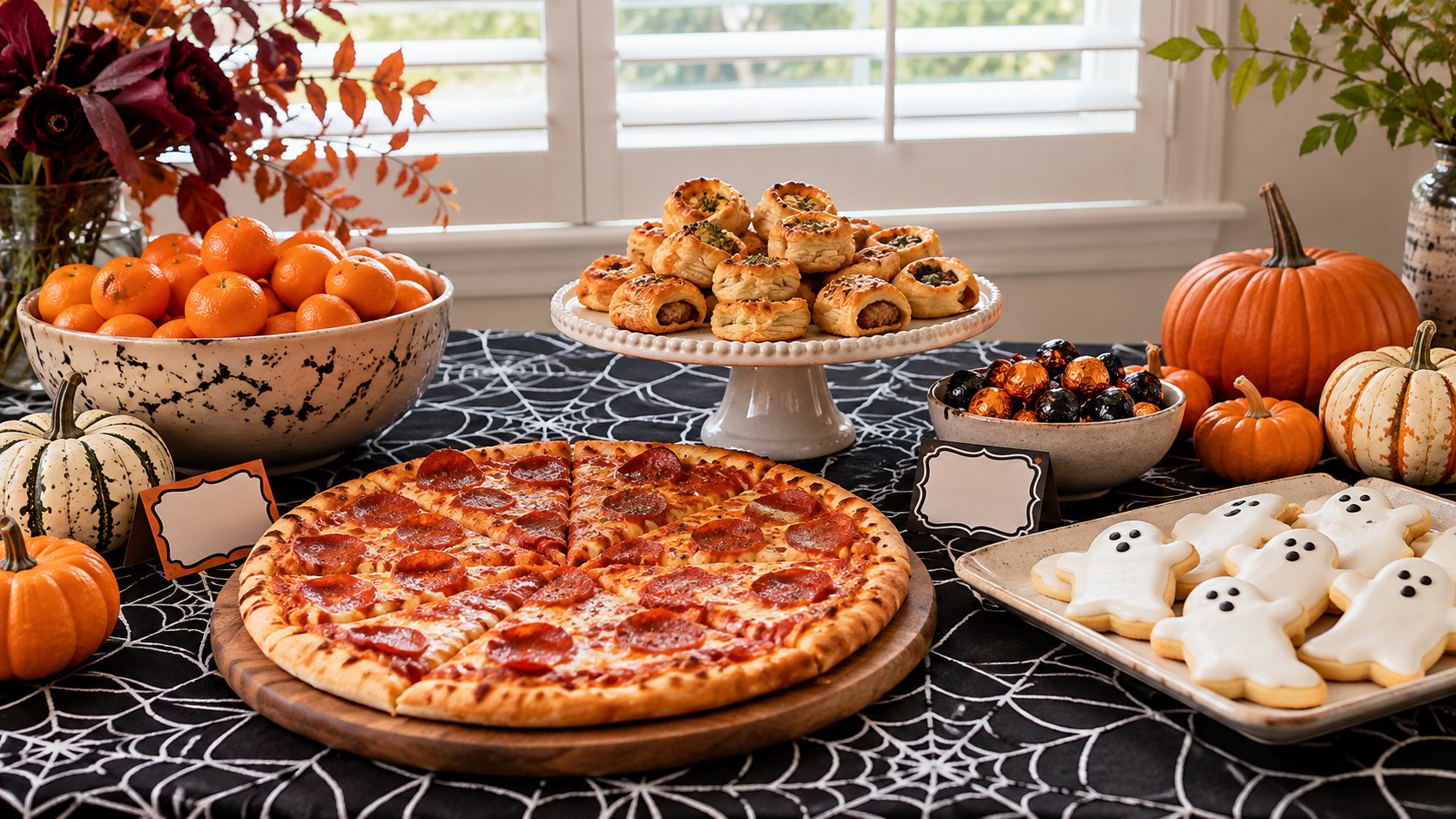
Easy Halloween Party Food for Adults: A Mostly Store-Bought Menu
Plan an easy adult Halloween party with a mostly store-bought menu, three sample menus, a practical shopping list, and simple tips for drinks, serving, and dietary needs.
Sign up for expert tips, exclusive content, and the 411 on the latest parties—all straight to your inbox.
Your shortcut to stress-free hosting
Spend less time coordinating and more time actually connecting.