


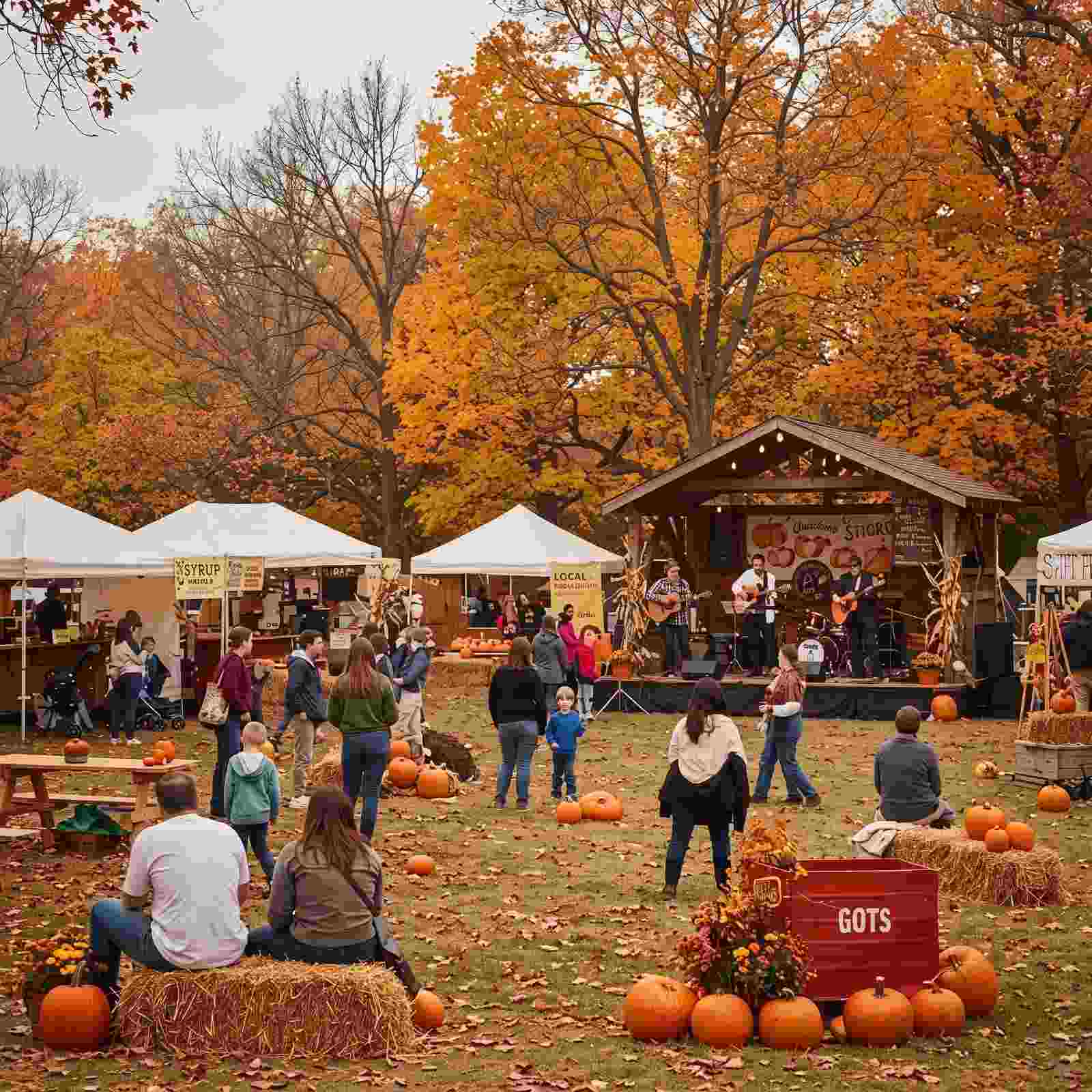
PTA Events for Fall: Easy Ideas for Bringing Your School Community Together
Good fall PTA events include outdoor movie nights, school picnics, fall festivals, trunk-or-treats, pumpkin decorating, family game nights, book swaps, chili cook-offs, fun runs, and simple after-school gatherings. The best event depends on your school’s budget, volunteer capacity, available space, and whether the goal is community building, fundraising, or both.
Fall gives PTA and PTO groups a lot to work with. Families are back in school routines, new parents are trying to find their place, kids are settling into classrooms, and the weather often makes an outdoor evening feel possible again.
It is also the season when school calendars fill up fast.
The challenge is not finding PTA fall event ideas. The challenge is choosing one your team can actually manage. A fall festival sounds fun until the same three parents are running games, ordering supplies, emailing vendors, handling food, answering questions, and cleaning up at 9 p.m.
That is where a planning tool like Partytrick can help. Instead of keeping the entire event in one person’s inbox, you can turn the idea into a clearer plan, with the details, supplies, deadlines, and responsibilities in one place.
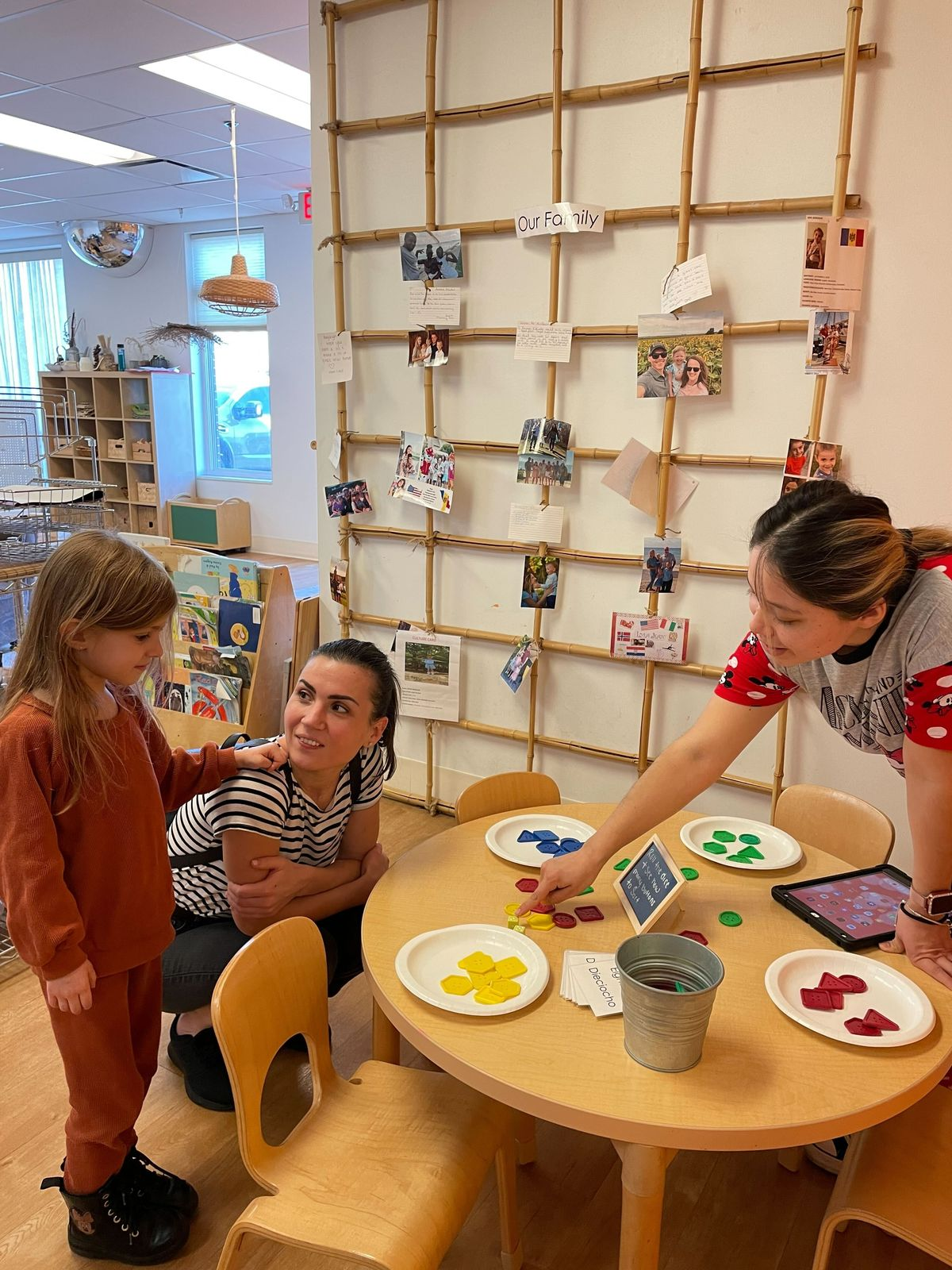
1. Decide What You Want the Event to Accomplish First
Before choosing an event because it sounds fun, decide why you are hosting it.
Most PTA and PTO events fall into one of a few goals.
Build community
This kind of event gives families an easy way to meet each other without asking them to buy tickets, bid on baskets, or volunteer for a committee the minute they arrive. A school picnic, book swap, or simple family night can help people feel more connected to the school.
Welcome new families
The beginning of the school year can feel especially uncertain for families who are new to the building. A low-pressure fall gathering gives them a reason to show up, meet other parents, and get to know a few familiar faces before the year gets busier.
Raise money
Some events are built around fundraising. A fun run, chili cook-off, ticketed fall festival, or snack stand can raise money when the structure is clear, and the costs are realistic.
Get families involved
A strong PTA event gives parents, caregivers, kids, teachers, and staff a way to participate together. That might mean running a station, entering a cook-off, helping with setup, or simply attending.
Celebrate the season
Sometimes the reason really can be: it is fall, and we want to have fun.
The key is to choose one primary goal. An event does not need to build community, raise $10,000, recruit 20 new PTA members, entertain 300 children, and become an annual tradition all at once.
2. 12 Fall PTA Event Ideas Families Will Actually Want to Attend
Here are 12 PTA and PTO event ideas that work well for fall. Some are easy and low-cost. Others take more planning. The right fit depends on your volunteers, space, budget, and school policies.
1. Outdoor family movie night
An outdoor movie night is a strong fall school event because it is simple for families to understand. Bring a blanket and a chair, and watch a movie with school friends.
The best setting is a school lawn, blacktop, courtyard, or other outdoor space with access to power and bathrooms. The volunteer lift is usually medium because you will need setup, sound, projection, food, cleanup, and communication.
The PTA can provide or sell popcorn, drinks, candy, or pizza. If you want an easy starting point for planning the evening, Partytrick’s Movie Night Playbook can help you think through the flow, snacks, and supplies. You can also pull ideas from The Best Products for a Movie + Cozy Night In.
One important note: schools should verify movie licensing requirements before publicly screening a film.
2. Fall school picnic
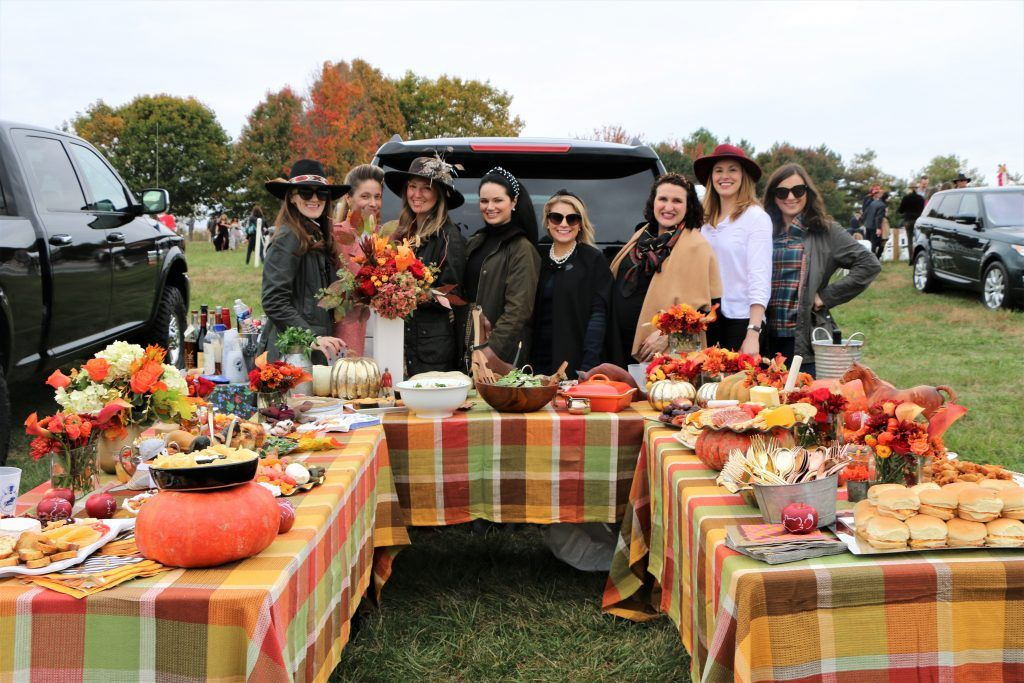
A fall school picnic is one of the simplest PTA family event ideas. Invite families to bring dinner, blankets, and lawn chairs, then add a few small touches: music, lawn games, bubbles, sidewalk chalk, or an optional food truck.
This works best outdoors and has a lower volunteer lift than many school events. It can be free, or the PTA can invite a food truck and receive a percentage of sales, if that aligns with the school’s policies.
The appeal is that families can come and go, kids can play, and parents have time to talk. Not every school community event needs a long activity schedule.
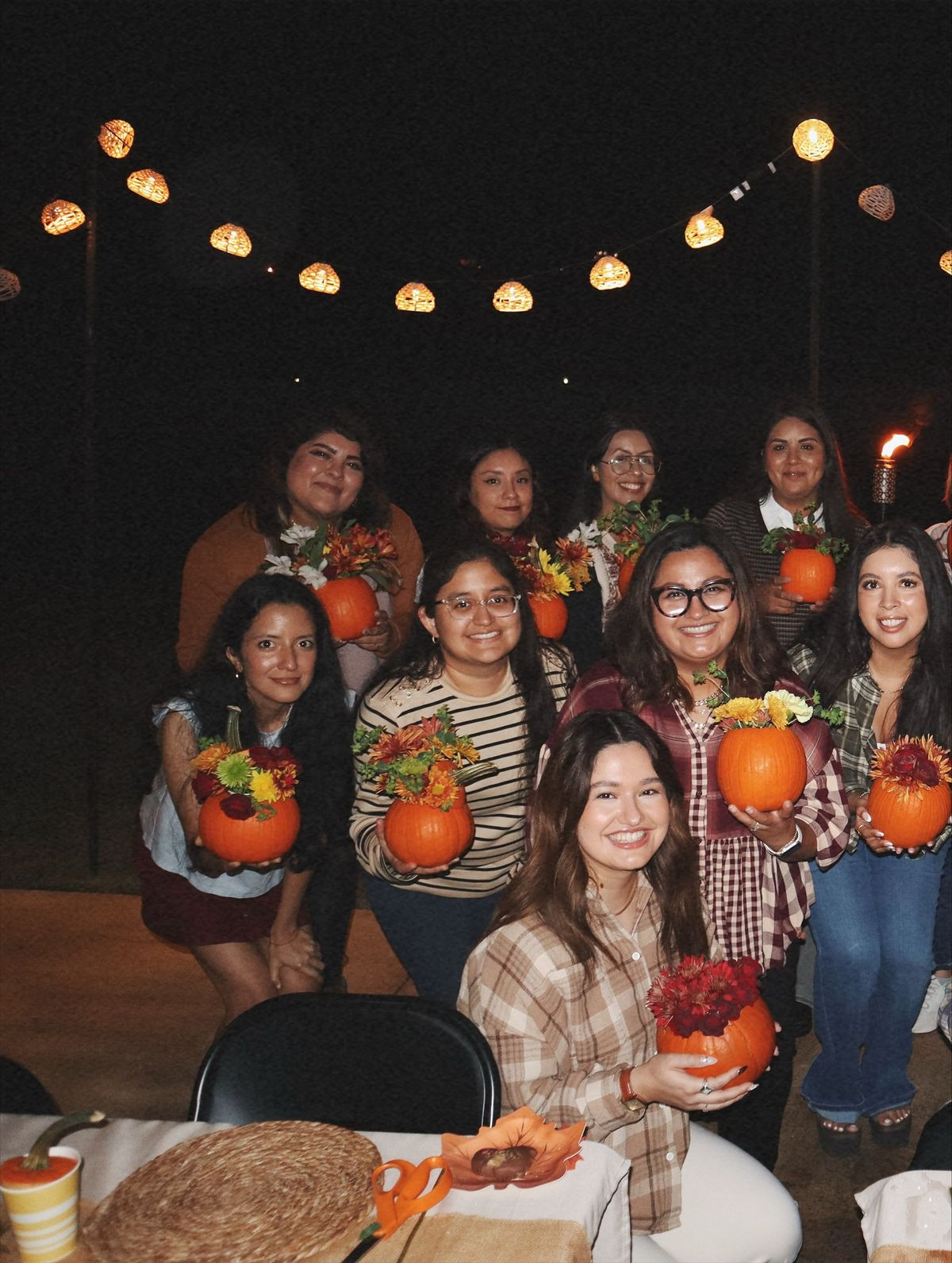
3. Pumpkin decorating night
Pumpkin decorating gives families a seasonal activity without requiring a large production. Use paint, stickers, markers, pom-poms, and other age-appropriate supplies instead of carving.
This works well in a cafeteria, gym, outdoor pavilion, or covered blacktop area. The volunteer lift is medium because supplies, tables, cleanup, and age-friendly stations matter.
Families can bring their own pumpkins, or the PTA can sell pumpkins in advance to help cover costs. If you have a wide age range, consider separate stations for younger and older kids so everyone has materials they can manage.
4. Fall festival
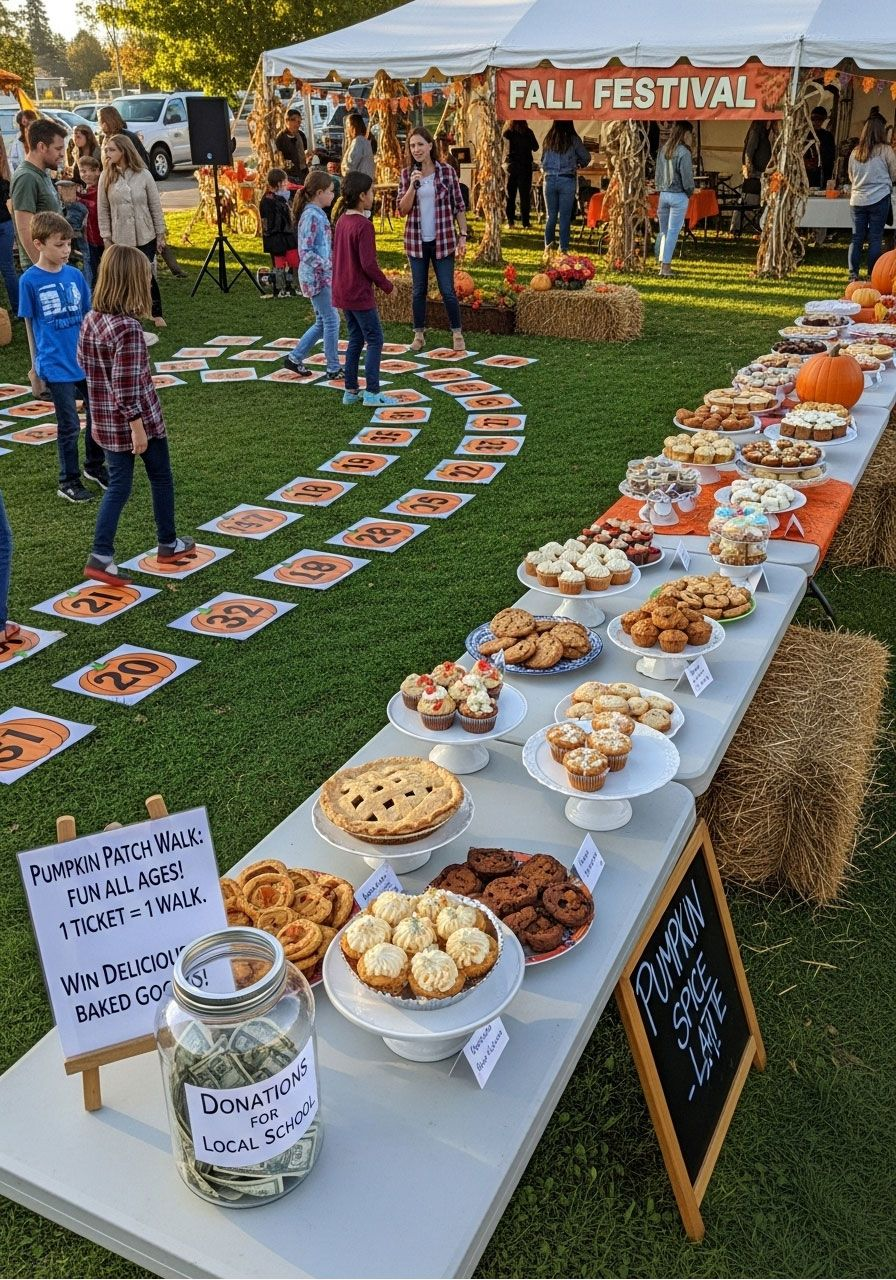
A fall festival is the classic elementary school fall event, but it does not need 25 stations to be worth attending.
A manageable version might include ring toss, pumpkin decorating, face painting, temporary tattoos, lawn games, a photo area, music, and food trucks. Choose fewer activities than you think you need, and make them easy to run.
This is usually a higher-lift event. It may have strong fundraising potential through tickets, wristbands, concessions, raffles, or vendor partnerships, but it also requires more volunteers, supplies, setup time, and administrative approval.
A good rule: plan the festival your current team can execute, not the one last year’s committee pulled off with twice as many people.
5. Trunk-or-treat
A trunk-or-treat turns decorated cars into trick-or-treat stations in the school parking lot. It is festive, familiar, and popular with younger children.
It also needs careful planning. Think through vehicle registration, parking flow, candy donations, allergy-friendly options, setup time, lighting, traffic control, and school safety rules. Your school or district may have specific requirements, so confirm those before promoting the event.
The volunteer lift is medium to high, depending on size. The cost can stay reasonable if families donate candy and decorations, but someone still needs to manage signups and logistics.
6. Family game night
Family game night is a great indoor option for schools looking for a low-budget event. Set up stations with board games, card games, bingo, trivia, or giant games if your school already has them.
This works well in a cafeteria, gym, library, or multipurpose room. Families can rotate through stations or settle into one game for the evening. If fundraising is part of the goal, sell pizza, snacks, or drinks.
For a ready-made structure, the Game Night Playbook can help you plan the pace and supplies without overcomplicating the night.
7. Chili cook-off
A chili cook-off works well when your school community enjoys food-centered events. Invite families, teachers, or staff to enter, then let attendees sample and vote for favorites.
Possible categories include classic, vegetarian, spiciest, and People’s Choice. You can raise money through tasting tickets, entry fees, or drink sales, depending on school rules.
This is usually a medium- to higher-lift event because homemade food brings extra considerations. Confirm school and district requirements around food safety, allergies, ingredient labeling, and serving procedures before asking families to cook.
If your PTA is considering a broader shared-meal event, Tips for Hosting a Potluck Party has planning ideas that can be adapted for a school setting.
8. Fall book swap
A book swap is a thoughtful fall family night idea that is not centered on fundraising. Ask families to donate gently used children’s books in advance, then organize them by age or reading level so students can choose something new to take home.
You can pair it with hot chocolate, story time, pajamas, or bookmark decorating. The volunteer lift is usually low to medium, with most of the work happening in collection, sorting, setup, and cleanup.
This is a strong option for schools that want a quieter, more accessible event.
9. Family fun run or walk
A family fun run or walk can work as a fundraiser, community-building event, or both. Keep the focus on participation rather than athletic ability.
Depending on your school’s resources, the event might include laps around the school, a costume theme, class participation goals, sponsorships, or donation pledges. It can be as simple as a school-community walk or as structured as a larger pledge-based event.
This is usually higher lift because you need route planning, supervision, water, registration, safety details, and weather planning.
10. Fall craft night
A fall craft night can be simple and flexible. Set up a few stations, or choose one project everyone can make.
Ideas include mini pumpkin decorating, fall bookmarks, leaf art, friendship bracelets, or simple seasonal decorations. This works well indoors and can be adjusted for different age groups.
The volunteer lift depends on how many stations you run. To keep it manageable, choose crafts with minimal drying time, easy cleanup, and supplies that can be set out in batches.
If you want a similar hosting framework, Hosting the First Playdate Doesn’t Have to Be Awkward is a useful reminder that kids often need less structure than adults think.
11. School tailgate
A school tailgate is especially relevant in communities where fall sports are a big part of the season. It can include pizza or food trucks, lawn games, music, school colors, spirit wear, and face painting.
It does not have to revolve around an actual football game. A school-spirit tailgate on a Friday evening can still bring families together.
This is usually a medium-lift event. Partytrick’s Tailgate Playbook can help with the setup, food, and activity flow.
12. Friday night s’mores
Friday night s’mores might be the most Partytrick answer to a massive fall festival.
Invite families. Put out a few lawn games. Play music. Serve s’mores. Let kids run around. Done.
This kind of gathering works because it is clear, seasonal, and easy to understand. The volunteer lift can stay medium if the setup is simple. If open flames are not appropriate or allowed, use s’mores bars, packaged s’mores treats, hot chocolate with graham crackers, or another school-approved alternative.
Community-building does not require an enormous event calendar.
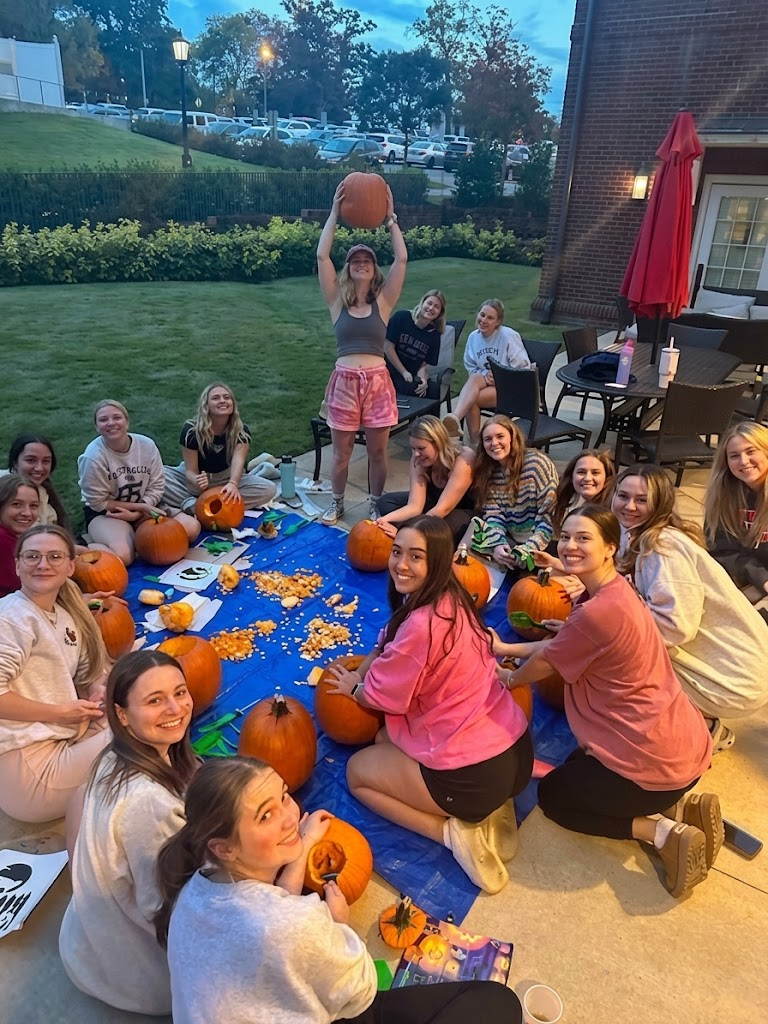
3. Choose the Event Based on Your Volunteer Capacity
This is where many PTA plans go sideways. The event idea sounds fun, but nobody stops to ask how many people can actually help.
Before committing, ask:
- How many volunteers do we have?
- How many people can help on event day?
- How many weeks do we have to plan?
- What is our budget?
- What school spaces are available?
- What requires administrative approval?
- Will we need vendors?
- Does the event involve food?
- Does it involve money?
- Does it require insurance, permits, licensing, or district approval?
Then choose accordingly.
Lower-lift events include school picnics, book swaps, family game nights, and simple craft nights.
Medium-lift events include movie nights, pumpkin decorating, s’mores nights, and tailgates.
Higher-lift events include fall festivals, fun runs, trunk-or-treats, and large cook-offs.
Choose the event your current volunteer team can execute, not the one that sounds most impressive in the group chat.
4. Make the Event Work for Parents, Too
PTA events should not only consider what keeps children entertained. Parents and caregivers are part of the school community you are trying to build.
Think about where adults can sit, what food they might actually want to eat, how loud the music is, and whether there is time to talk. Clear start and end times help, especially for families managing homework, younger siblings, sports, and bedtime.
Avoid overscheduling every minute. Sometimes the best part of a school gathering is giving parents a chance to meet one another while their kids play nearby.
5. Keep Food Simple
School events do not need complicated menus.
Depending on the event, consider pizza, food trucks, popcorn, pretzels, packaged snacks, donuts, apple cider, hot chocolate, and bottled water.
If families are bringing or preparing food, confirm rules around allergies, ingredient labeling, food safety, and school policies. For larger events, simple usually wins. Nobody joined the PTA because they wanted to cater dinner for 200 people.
6. Give Every Volunteer a Clear Job
Avoid asking for help with a vague message like "We need volunteers."
Instead, define exactly what needs to happen. Useful volunteer roles might include check-in, setup, cleanup, food and drinks, activity stations, decorations, signage, vendor coordination, ticket sales, donations, photography, music, and supplies.
Break larger responsibilities into smaller jobs. Instead of asking someone to handle the fall festival, ask them to run the pumpkin-painting table from 5:30 to 6:30.
Specific asks are easier to say yes to.
This is also where Partytrick Pro can be useful for PTA and PTO committees. When several people are sharing the work, keeping the plan in one place helps reduce the constant back-and-forth.

7. Create One Master Event Timeline
School events often need more lead time than casual gatherings. A simple timeline keeps everyone working from the same plan.
6 to 8 weeks before
Choose the event, get school approval, reserve the space, set the budget, identify major vendors or requirements, and assign committee leads.
4 weeks before
Promote the event, recruit volunteers, order supplies, confirm vendors, determine food and drinks, and open registration if needed.
2 weeks before
Check attendance estimates, fill volunteer gaps, confirm supplies, create the event layout, and confirm setup and cleanup teams.
Week of
Confirm vendors, send family reminders, organize supplies by station, confirm volunteer shifts, check the weather, and finalize backup plans.
Day of
Set up, brief volunteers, put out signage, check food and activity stations, enjoy the event, and clean up.
If your committee is starting from scratch, Partytrick’s Playbooks can help turn a general idea into a more organized plan. You can also use Party Planning Checklist for Beginners Who Have No Idea Where to Start as a planning reference for the basic decisions that need to happen first.
8. Have a Weather Plan Before You Need One
For outdoor fall events, do not wait until the forecast changes to decide what happens.
Set the rain date, indoor backup, cancellation policy, decision deadline, communication owner, family notification plan, and vendor backup plan in advance.
If there is no realistic backup, that is fine. Just make the plan clear before families arrive with chairs, blankets, and hungry kids.
9. Don't Forget the Details That Aren't Very Exciting Until You Need Them
The small details are not exciting until they are missing.
Confirm trash cans and bags, bathrooms, hand sanitizer, extension cords, lighting, signage, tables, chairs, name tags, first-aid access, volunteer check-in, parking, accessibility, cleanup supplies, cash or payment setup, allergy information, and a lost-and-found plan.
Also confirm school and district requirements rather than assuming. Every school has its own rules around food, vendors, facilities, money collection, safety, and supervision.
10. You do not have to turn every event into a fundraiser
PTAs need to raise money. That part is real.
But community has value, too.
A picnic where nothing is sold can help new families meet people, parents connect, kids make friends, teachers interact with families outside the classroom, and families feel more connected to the school.
Not every gathering needs an admission fee, a raffle, an auction, a sponsorship package, or a fundraising target.
Sometimes the return is simple: people showed up, they met each other, and they want to come back.
Your fall PTA event checklist
- Decide the purpose of the event.
- Choose an idea that matches volunteer capacity.
- Get school approval.
- Set the date.
- Reserve the space.
- Establish the budget.
- Decide whether the event is free or a fundraiser.
- Check district and school requirements.
- Assign committee leads.
- Identify vendors if needed.
- Recruit volunteers for specific jobs.
- Plan food and drinks.
- Confirm allergy and food policies.
- Order supplies.
- Promote the event.
- Estimate attendance.
- Create a weather backup plan.
- Build a setup plan.
- Create volunteer shifts.
- Send reminders.
- Confirm day-of responsibilities.
- Plan cleanup.
The best PTA event is not necessarily the biggest one. It is the one your team can realistically pull off, and your school community actually wants to attend.
FAQ
What are good fall PTA event ideas?
Good fall PTA event ideas include outdoor movie nights, fall festivals, trunk-or-treats, pumpkin decorating, family game nights, school picnics, book swaps, chili cook-offs, fun runs, craft nights, school tailgates, and s’mores nights.
What are easy PTA events for families?
Easy PTA events for families include school picnics, book swaps, family game nights, simple craft nights, and after-school lawn games. These usually require fewer supplies, fewer volunteers, and less setup than a large festival.
What are inexpensive PTA event ideas?
Inexpensive PTA event ideas include book swaps, bring-your-own picnic nights, board game nights, pajama story time, bookmark decorating, playground meetups, and family walks. Costs stay lower when families bring their own food or supplies are donated.
What are good fall festival ideas for schools?
Good fall festival ideas for schools include pumpkin decorating, ring toss, face painting, temporary tattoos, lawn games, photo stations, music, food trucks, and simple prize tables. Choose a manageable number of stations based on your volunteer team.
What are good PTA events that are not fundraisers?
Good PTA events that are not fundraisers include school picnics, book swaps, family game nights, welcome events for new families, craft nights, playground meetups, and s’mores nights. These events focus on connection rather than revenue.
How far ahead should you plan a PTA event?
Plan most PTA events 6 to 8 weeks ahead when possible. Larger events like fall festivals, fun runs, and trunk-or-treats may require more time for approvals, vendor coordination, volunteer recruitment, supplies, and promotion.
How many volunteers do you need for a school event?
The number of volunteers depends on the size and complexity of the event. A small picnic may only need a few helpers, while a fall festival may need station leads, setup and cleanup crews, food volunteers, check-in support, and someone to manage the overall schedule.
How do you get more parents to volunteer for PTA events?
Ask for specific jobs with clear time limits. Parents are more likely to help when they know exactly what they are doing, when they need to be there, and how long the job will take.
What are good indoor fall events for schools?
Good indoor fall school events include family game nights, book swaps, craft nights, pumpkin decorating, bingo, trivia, pajama story time, and, if food policies allow, chili cook-offs.
What are good outdoor fall school events?
Good outdoor fall school events include movie nights, school picnics, fall festivals, trunk-or-treats, fun runs, tailgates, s’mores nights, and playground meetups.
Plan your next school event with Partytrick
A good PTA event does not need to become a second job for one parent. Start with an idea your school community will enjoy, choose a plan your volunteers can manage, and make every responsibility clear before event week arrives.
Partytrick can help you organize the details behind the gathering, including the food, supplies, timing, and planning steps that are easy to lose track of when everyone is busy. Explore how Partytrick works, browse Partytrick Playbooks, or learn more about Partytrick Pro as you plan your next school event.
More articles

Ask Partytrick: It’s One Week Before Halloween. Is It Too Late to Host?
It’s not too late to host a Halloween party: choose a simple format, send invitations today, and follow a one-week plan for easy food, shopping, and setup.

Halloween Party Ideas from the Pros: How to Host a Night Guests Still Talk About
Ask a professional what makes a Halloween party work, and the answer is rarely just a pumpkin.

Halloween Party Themes for Adults That Go Beyond Costumes
Host a Halloween night built around something your friends will enjoy doing together, with costumes optional. Explore ten adult party themes, with simple food pairings and practical tips to help you choose one that fits your group, space, and budget.

Sign up for expert tips, exclusive content, and the 411 on the latest parties—all straight to your inbox.
Your shortcut to stress-free hosting
Spend less time coordinating and more time actually connecting.