


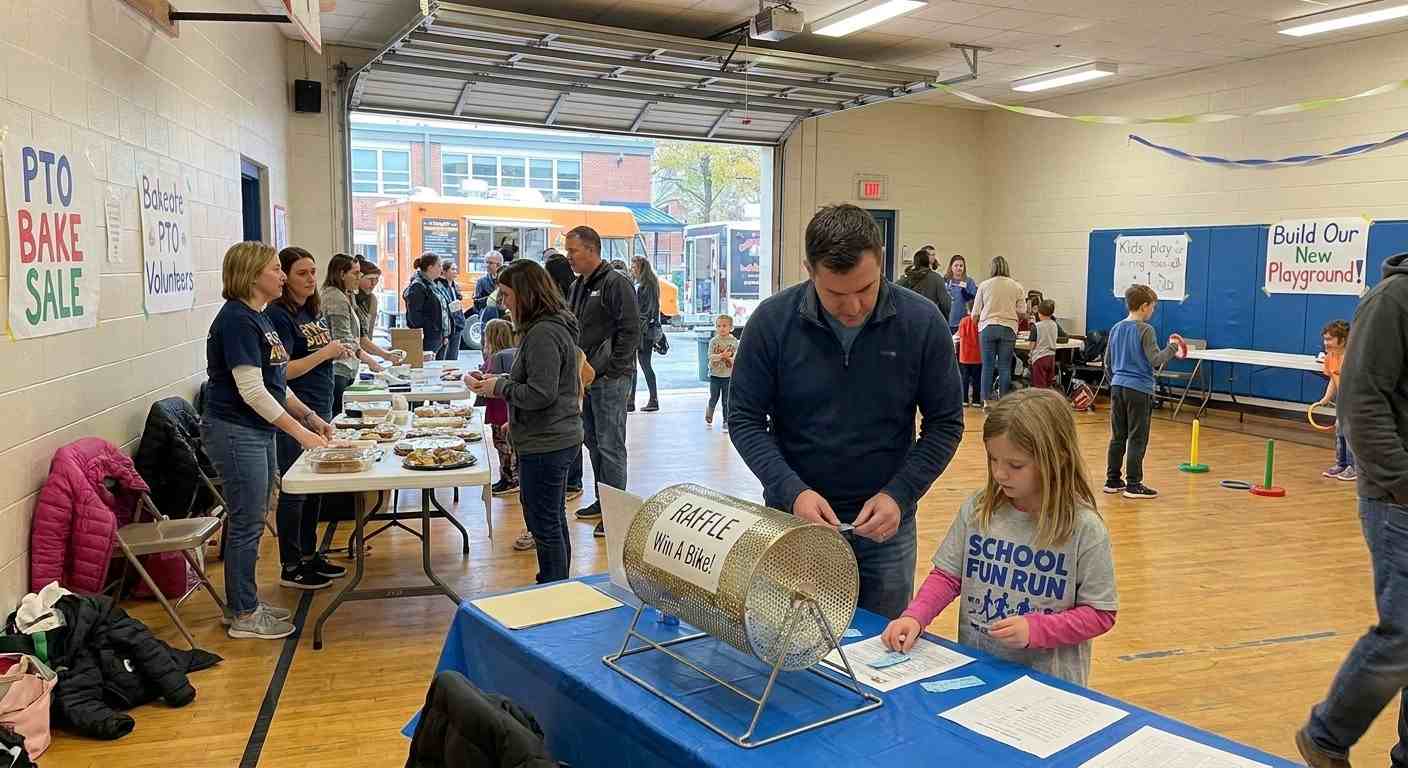
How to Plan a Successful School Fundraiser Families Actually Want to Join
Parents already receive a lot of tasks during the school year: donate, volunteer, buy something, sell something, sign something, and remember something. A fundraiser can feel different.
To plan a successful school fundraiser, start with a specific goal, choose an activity that fits your school community, make participating and donating easy, promote it consistently, and divide responsibilities among volunteers. The best school fundraisers pair a clear reason to give with an experience students and families are excited to join.
Instead of managing the plan through texts, emails, spreadsheets, and one volunteer’s memory, use Partytrick Pro to keep the shared plan, task list, budget, and timeline in one place.
Have the fundraising idea? Turn it into a plan with Partytrick and get everyone working from the same place.
1. Start With What You’re Raising Money For
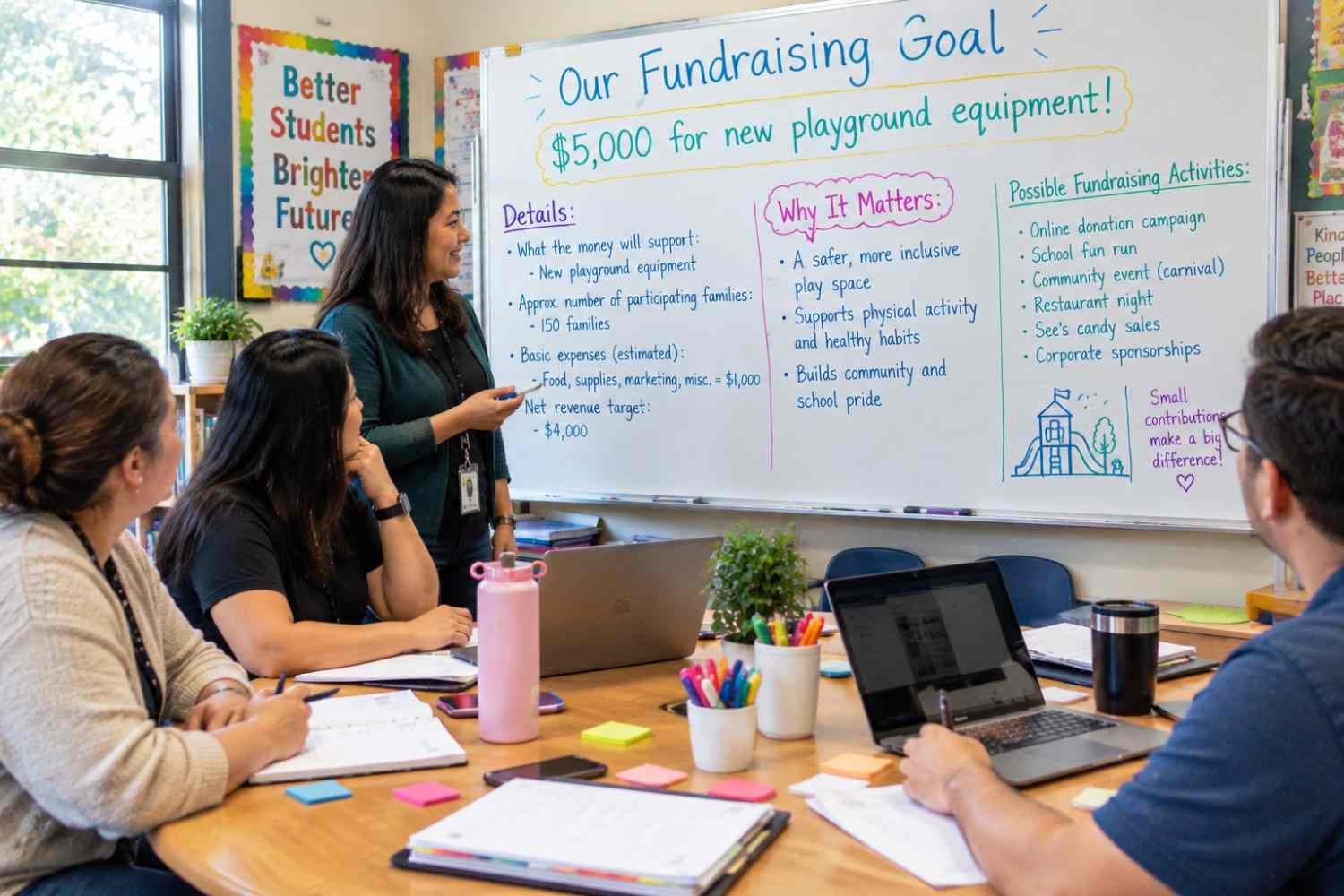
Do not start with, “We need a fundraiser.” Start with, “We need $5,000 for new playground equipment.”
Specificity helps families understand why the fundraiser matters. Compare “Help support our school” with “Help us raise $7,500 to add new books to every elementary classroom library.” The second task gives families a concrete outcome to support.
Your goal might fund classroom technology, field trips, teacher grants, art supplies, a school garden, student programming, community events, or campus improvements. Before choosing an activity, establish:
- The fundraising goal and deadline
- What the money will support
- The approximate number of participating families
- Basic expenses
- The net revenue target after expenses
People should know what they are helping make possible.
2. Choose a Fundraiser That Fits Your School Community
Not every fundraiser works for every school. Consider student ages, school size, volunteer capacity, available space, schedule, budget, season, parent participation, and whether the activity happens during or outside school hours. Confirm school and district rules before committing.
Then choose the right level of effort:
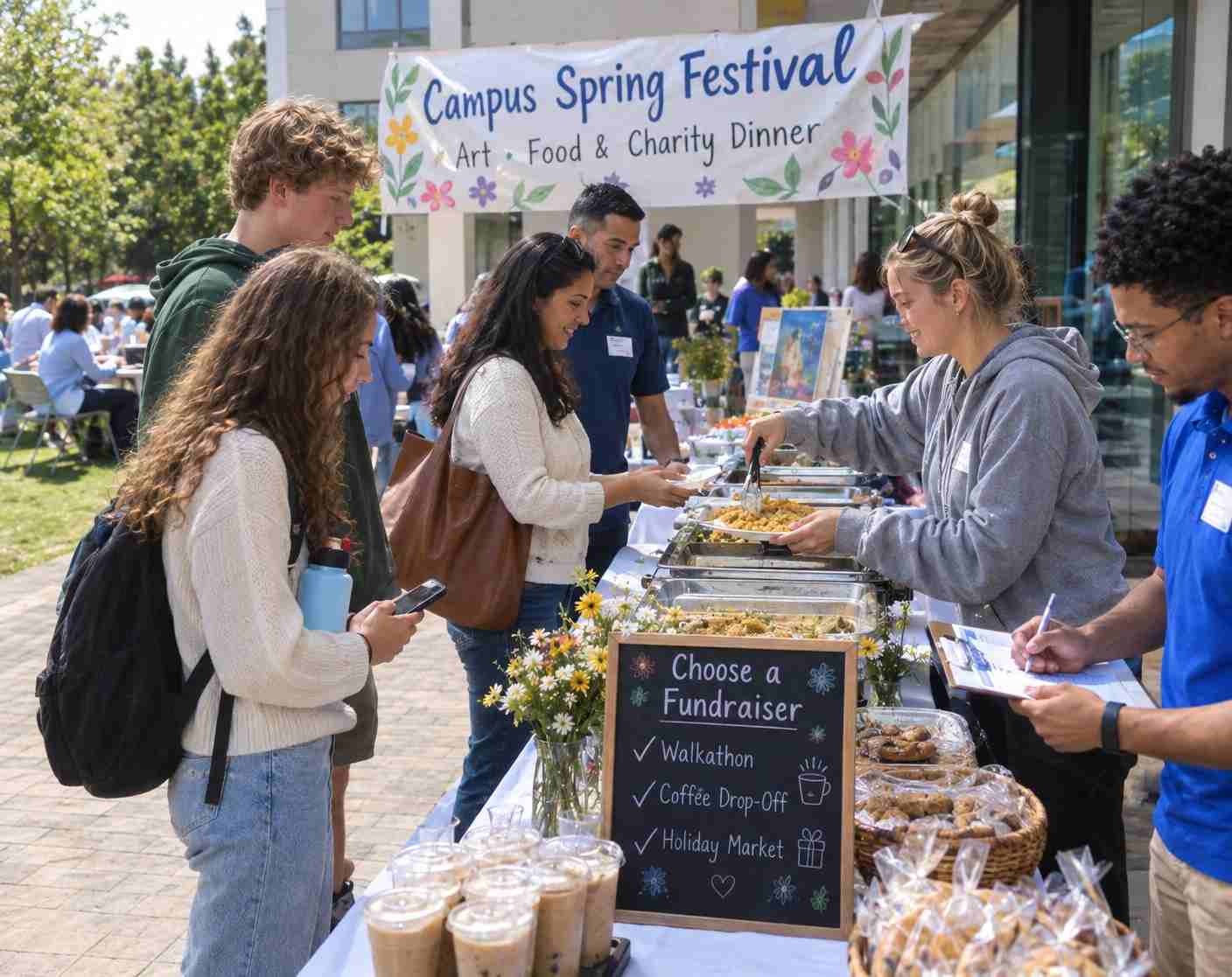
- Low lift: A school drop-off iced-coffee fundraiser fits into families' existing routines.
- Medium lift: Tattoo the Teacher or a mascot challenge requires coordination, but not necessarily a large event.
- Higher lift: A walkathon requires volunteers, logistics, promotion, safety planning, and event-day coordination.
The best idea is not always the one that could theoretically raise the most money. It is the one your community can execute well.
3. School Fundraiser Idea: Host a Walkathon
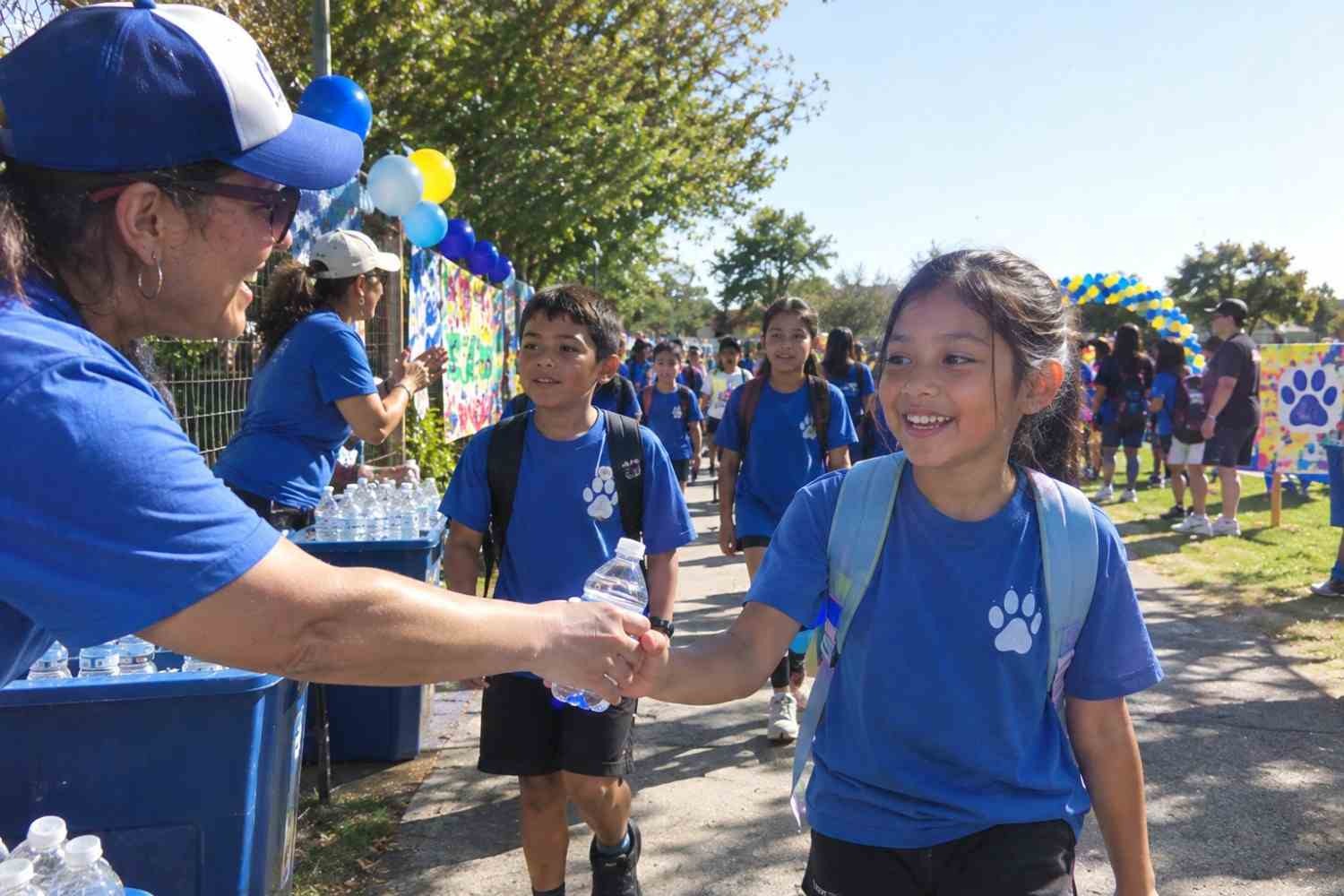
A walkathon fundraiser is a flexible option for elementary schools, PTAs, and PTOs. Students collect flat donations or optional pledges, then walk a designated route during a school-wide event.
Why a walkathon works
Every student can participate; classes can walk together; and families can understand the concept quickly. It builds school spirit, scales for different school sizes, and allows most fundraising to happen before event day.
Start by planning the route, date, school approval, donation process, student participation, volunteer stations, water, music, signs, safety coverage, weather backup, family communications, setup, and cleanup.
Make it feel like an event without creating another enormous workload. Use class colors, lap markers, upbeat music, teacher participation, a mascot appearance, or a simple finish-line celebration. Choose two or three additions that your team can manage rather than trying to do everything.
The fundraising structure can include individual, classroom, grade-level, or school-wide goals. Flat donations are simplest; pledges can add energy but require a reliable collection process. Verify school or district fundraising rules, payment requirements, privacy expectations, and accessibility needs before launch.

4. School Fundraiser Idea: Turn Drop-Off Into an Iced Coffee Run
Parents are already driving through drop-off. Meet them where they already are.
For a low-lift school coffee fundraiser, partner with a local café, roaster, or sponsor and offer preordered iced coffees for about $5–$8. Volunteers distribute drinks during morning drop-off or from a designated pickup area. Coffee might be donated, purchased wholesale, sponsored, or sold through a revenue-share agreement.
This works because families do not need to attend another event, arrange childcare, or sell products. They are buying something many parents might already purchase that morning.
Give it a clear name, such as Coffee for the Classroom, Caffeine for a Cause, Sip for Our School, or Coffee at Carpool. In cooler weather, add hot coffee or tea. Pastries or teacher coffee sponsorships can increase revenue, but keep the menu limited to keep distribution manageable.
Some of the best fundraisers fit into routines families already have. Before planning, verify food and beverage sales, traffic flow, vendor availability, allergies, and campus rules.

5. School Fundraiser Idea: Put the Mascot on the Line
A mascot challenge turns fundraising progress into something students can follow together. Instead of watching a thermometer move, students unlock increasingly fun mascot moments:
- 25%: The mascot visits classrooms.
- 50%: The mascot joins the morning drop-off.
- 75%: The mascot has lunch with a class.
- 100%: The mascot joins a school-wide celebration.
The final event could be a mascot dance-off, an obstacle course, a field day challenge, or a mascot-versus-teachers competition. The specific activity matters less than giving students something to root for together.
6. School Fundraiser Idea: Tattoo the Teacher
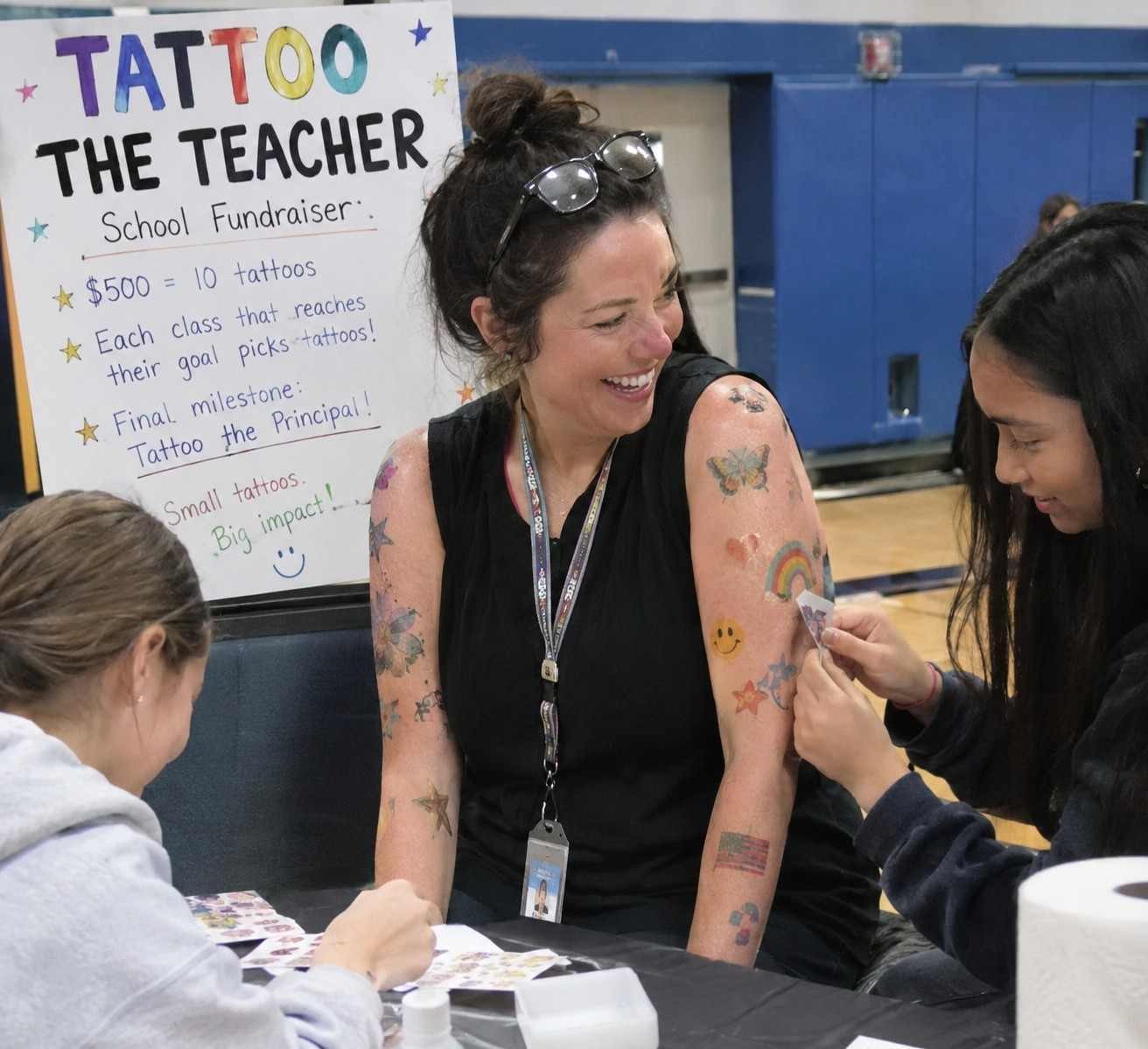
Tattoo the Teacher means temporary tattoos only. As the school reaches fundraising milestones, students earn the chance to cover willing teachers, staff members, or administrators in age-appropriate temporary tattoos.
For example, every $500 raised could unlock 10 tattoos, or each class that reaches its goal could choose tattoos for a participating teacher. The final milestone might be Tattoo the Principal.
The idea is visual, silly, inexpensive, easy for students to understand, and built around collective progress. Staff participation must always be voluntary. Use skin-safe products, follow directions, avoid sensitive areas, and keep the activity fun rather than embarrassing. If tattoos are not a good fit, try a silly hat, crazy hair, a costume, a mascot outfit, or a pie-the-principal variation.
7. Make Donating Ridiculously Easy
Once you have earned someone’s attention, do not make them work to give. Families should immediately understand how to donate, the goal, what their contribution supports, the deadline, possible fees, tax-deductibility details, and who to contact.
Use one primary approved donation destination when possible. QR codes can help with flyers, posters, event signs, and take-home materials, providing an accessible alternative. Verify payment, tax, privacy, refund, and school or district requirements before publishing instructions.
8. Give Students Something to Root For
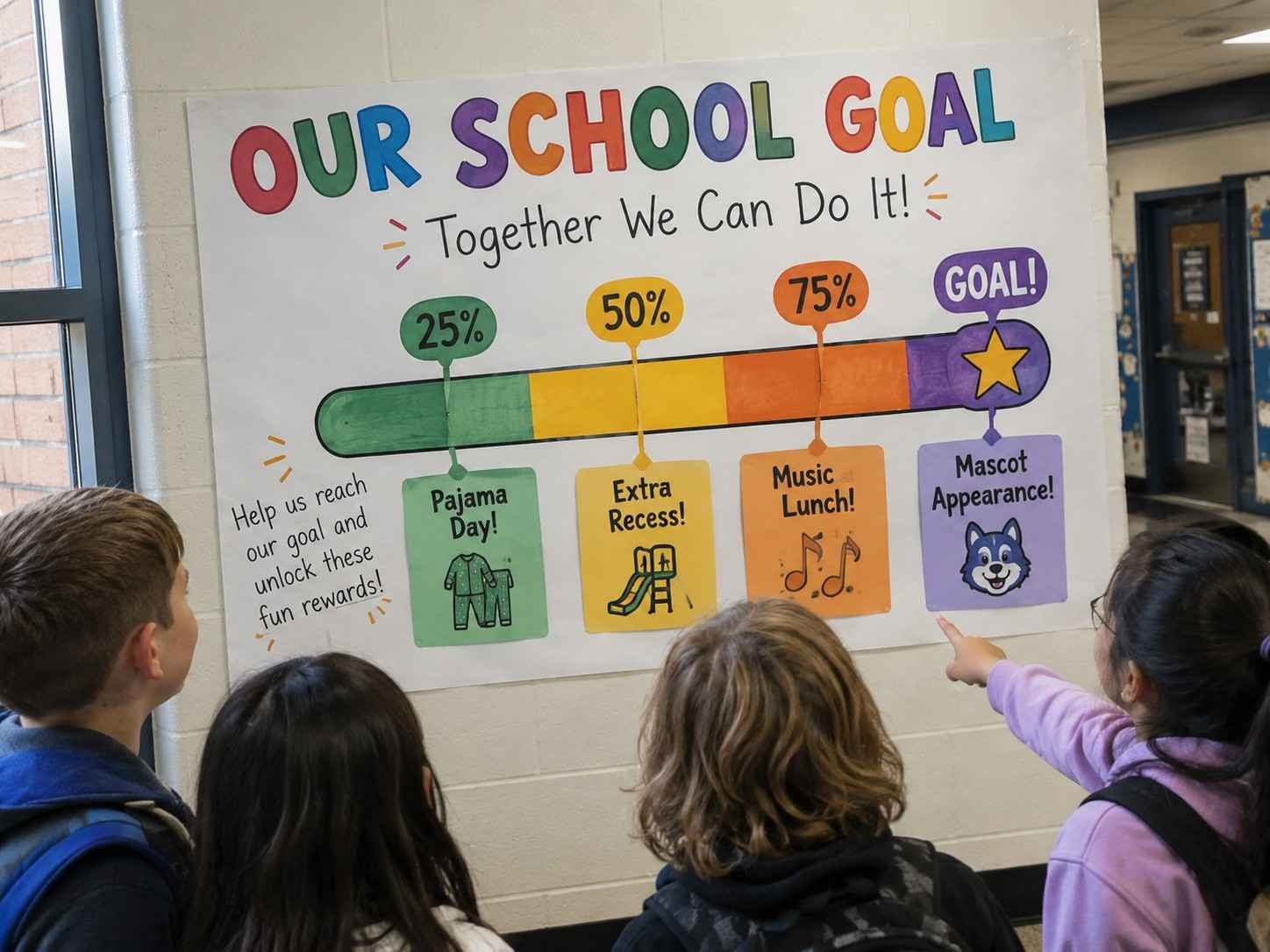
Create visible progress points: 25%, 50%, 75%, and a goal. Each milestone can unlock something simple, such as pajama day, extra recess, music at lunch, a mascot appearance, or a school spirit day.
You should not need another fundraiser to pay for the prizes. Avoid incentives that shame or visibly separate students based on what their families contributed. Focus on collective participation and school-wide progress.
9. Give Volunteers Specific Jobs
“Can you help with the fundraiser?” is difficult to answer. “Can you run the walkathon water station from 9–10 a.m.?” is much easier.
Break the work into clear responsibilities: sponsorships, donation setup, family communications, teacher communications, volunteer recruitment, supplies, food and drinks, signage, check-in, walkathon stations, coffee distribution, photography, progress updates, setup, cleanup, and thank-you messages.
A successful fundraiser should not live in one parent’s head. Partytrick Teams gives committees a central plan with task lists, budget tracking, and team collaboration, so volunteers can work from the same source instead of five versions of a spreadsheet.
Keep the work shared. Organize the plan and give every volunteer a clear role with Partytrick Pro.

10. Build a School Fundraiser Timeline
6–8 weeks before
Set the goal and budget, choose the fundraiser, get approvals, assign leads, and reserve space.
4–6 weeks before
Confirm vendors or sponsors, establish the approved donation process, recruit volunteers, order supplies, and draft communications.
3 weeks before
Launch, share the goal, begin collecting donations, and continue volunteer recruitment.
2 weeks before
Share progress, fill volunteer gaps, confirm logistics, and check supplies.
Week of
Send reminders, confirm shifts and vendors, organize supplies, and review safety or weather plans.
Day of and after
Brief volunteers, run the event, track final donations, clean up, announce results, thank families and sponsors, and document lessons for next year.
A ready-made Partytrick Playbook can provide a useful planning structure, and the Party Planning Checklist for Beginners is a helpful companion when deciding what needs attention first.

11. Tell Everyone What Their Money Actually Did
Do not stop communicating when the fundraiser ends. If the school raised $8,200 for the library, return later with, “Here is what $8,200 bought.” Share permitted photos, the number of books purchased, the field trip funded, new classroom materials, or teacher grants awarded.
Closing the loop builds trust for the next time the school asks families to participate. A successful fundraiser does not end when you hit the goal. It ends when families see what they helped make possible.
Your School Fundraiser Checklist
- [ ] Decide what you are raising money for.
- [ ] Set a realistic gross and net goal.
- [ ] Choose a fundraiser that fits your school.
- [ ] Get required approvals and set the budget.
- [ ] Confirm the donation process and date.
- [ ] Assign volunteer leads and specific jobs.
- [ ] Confirm vendors or sponsors.
- [ ] Build a communication plan and milestones.
- [ ] Order supplies and confirm logistics.
- [ ] Launch, share progress, and send reminders.
- [ ] Run the fundraiser and thank participants.
- [ ] Announce the total and show where the money goes.
The best school fundraiser does not just ask families for money. It gives the entire community something to rally around and makes it clear what they are helping make possible.
Frequently Asked Questions
How do you plan a successful school fundraiser?
Set a specific goal, choose an activity your community can realistically support, secure approvals, make donating simple, promote it several times, and assign volunteers clear responsibilities.
What are the most fun school fundraiser ideas?
Walkathons, mascot challenges, temporary Tattoo the Teacher events, and themed school-spirit challenges are fun because students can participate and follow shared milestones.
What are easy school fundraisers for a PTA or PTO?
A preorder coffee pickup during school drop-off is a strong low-lift option. It fits an existing routine and does not require families to attend another event.
How does a school walkathon fundraiser work?
Students collect flat donations or pledges before walking a planned route. The school coordinates approvals, safety, volunteers, water, communications, and a weather plan.
What school fundraisers do not involve selling products?
Walkathons, fun runs, readathons, mascot challenges, teacher challenges, donation drives, and community events can raise money without sending product catalogs home.
How can a school raise money without asking parents to sell things?
Create a participation-based fundraiser, accept direct donations through an approved method, or offer a convenient school experience, such as a walkathon or a coffee preorder pickup.
How far in advance should you plan a school fundraiser?
Plan a larger fundraiser six to eight weeks ahead. A simpler activation may need three to four weeks, depending on approvals, vendors, and volunteer needs.
How do you get more families to participate?
Explain the goal clearly, choose a convenient or enjoyable activity, reduce steps, offer accessible ways to participate, share progress, and send reminders.
How do you promote a school fundraiser?
Use a consistent mix of email, school newsletters, approved social channels, flyers, signs, teacher reminders, and progress updates. Repeat the goal, deadline, and next action.
How can you make a school fundraiser fun for students?
Use collective milestones, class colors, music, mascot moments, teacher participation, and simple celebrations. Keep rewards inclusive and avoid tying recognition to individual family donations.
PLAN YOUR FUNDRAISER WITH PARTYTRICK
Bring the goal, timeline, budget, and volunteer plan into one shared place, so getting the community involved does not make planning harder. See how Partytrick works.
More articles

Party Ideas from Professional Event Planners You Can Make Your Own
Find party ideas from professional event planners, choose an Expert Collection Playbook for your occasion, and adapt it to your guests, space, and budget.

How to Host a Mahjong Night with The Daily Cheer
Plan the perfect Mahjong night with The Daily Cheer! From choosing your gathering style and setting the table to easy food ideas and hosting tips, this guide has everything you need to bring friends together for a fun game night.

Homecoming Party Ideas: What to Host Before the Game and the Dance
Practical homecoming party ideas for hosting a tailgate, predance gathering, photo hour, or casual get-together before or after the game and dance.

Sign up for expert tips, exclusive content, and the 411 on the latest parties—all straight to your inbox.
Your shortcut to stress-free hosting
Spend less time coordinating and more time actually connecting.