


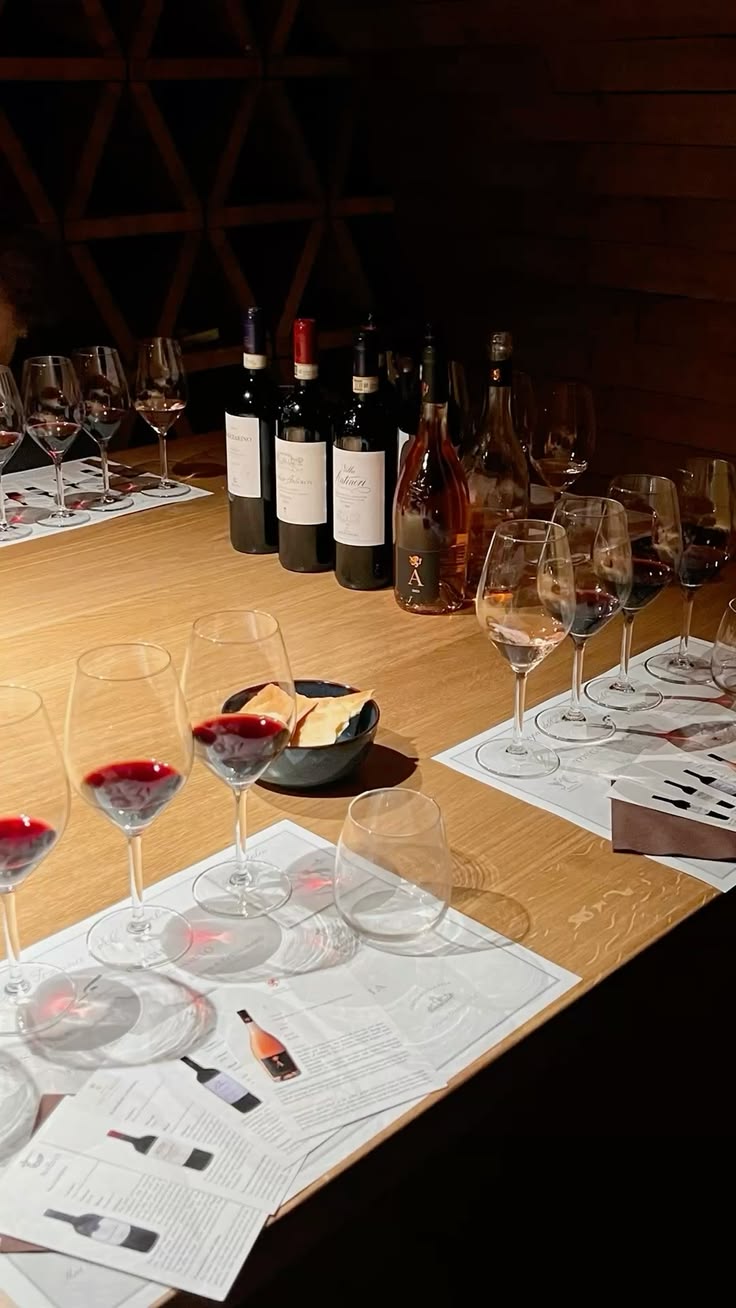
How to Host a Wine Tasting at Home
You do not need a cellar, twelve glasses per person, or a background in winemaking to host a wine tasting at home.
To host a wine tasting at home, choose four to six wines around a simple theme, pour small tasting portions, serve a few palate-friendly snacks, and give guests an easy way to compare their preferences. Keep the setup casual and focus on conversation rather than getting every tasting note right.
A wine tasting should give people something to do together without making the night feel like homework.
With Partytrick, you can keep the guest list, food, wine plan, timing, and small details organized in one place, so the evening feels thoughtful without becoming overly planned.
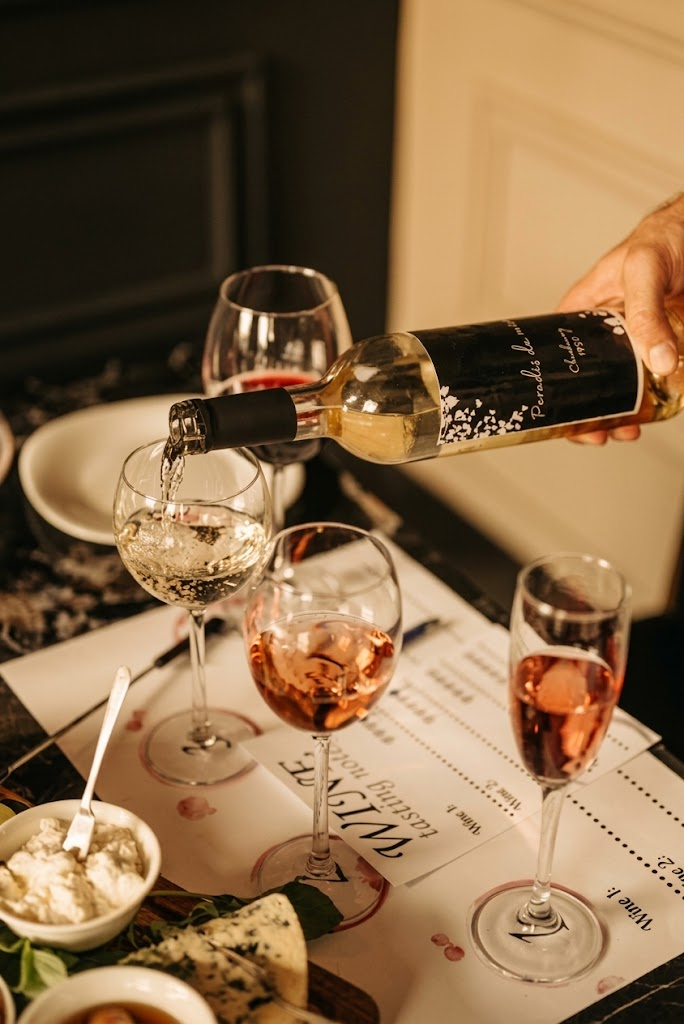
1. Start With a Simple Wine Tasting Theme
The easiest way to host a wine tasting is to pick a theme first. The theme narrows your choices, gives guests something to compare, and keeps you from standing in the wine aisle trying to make six unrelated bottles make sense together.
A few beginner-friendly wine tasting party ideas:
One Grape, Different Regions
Choose one grape and taste bottles from different places. Pinot Noir, Sauvignon Blanc, Chardonnay, and Cabernet Sauvignon all work well for this because they are widely available and easy to find at different price points.
The point is not to memorize regional differences. It is simply interesting to notice that the same grape can taste lighter, richer, fruitier, or more earthy depending on where it comes from.
One Region
Pick a place and build the tasting around it. California, Oregon, France, Italy, and Spain are all easy starting points. This works especially well if you want the food to loosely match the wine without creating a full dinner menu.
Old World vs. New World
This sounds more serious than it needs to be. Old World usually means traditional wine regions in Europe. New World usually means places like the United States, Chile, Argentina, Australia, New Zealand, and South Africa. Taste one or two bottles from each side and let people decide what they like.
Under-$20 Bottles
This may be the most approachable theme. Everyone brings or tastes bottles under a set price, then votes on which one they would actually buy again.
The $14 bottle winning the night is part of the fun.
Red, White, or Sparkling Night
A red wine night works well for cooler-weather gatherings. A white wine night feels easy for spring or summer. A sparkling wine tasting is a natural fit for birthdays, holidays, or a girls' night wine tasting.
If you want more structure without doing more work, browse Partytrick Playbooks for dinner party, happy hour, and hosting ideas you can adapt around the bottles.
Blind Tasting
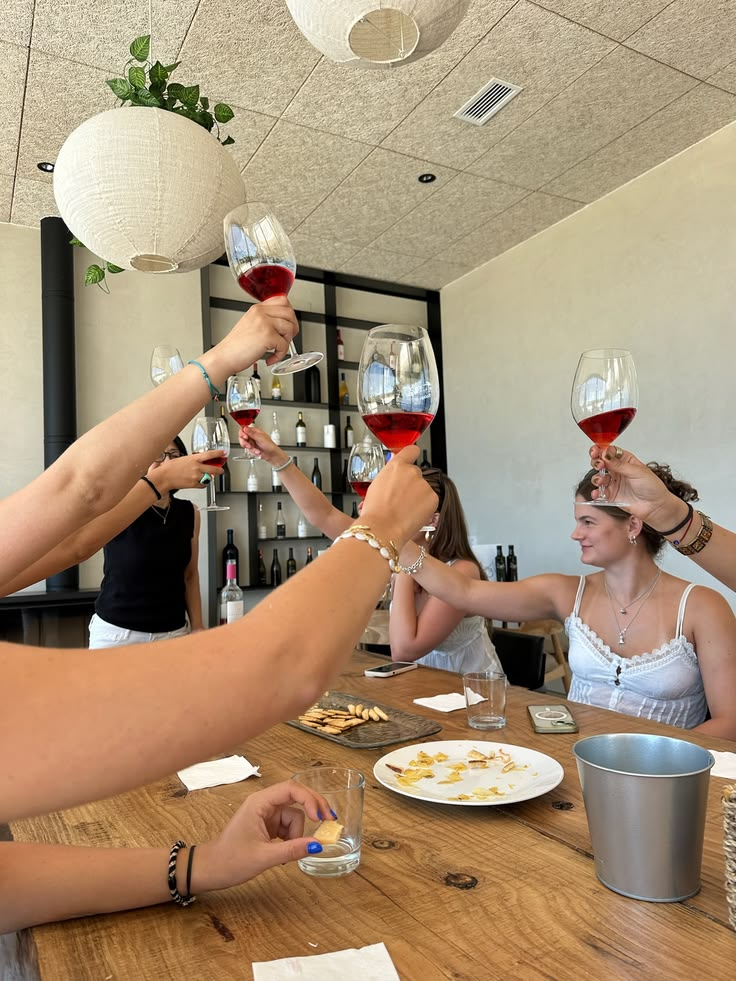
For a blind wine tasting at home, hide the labels and let everyone rate the wines before you reveal what they are drinking. It takes very little setup and usually creates the best conversation because nobody is influenced by the label, price, or producer.
The theme is there to make choosing bottles easier, not to give everyone homework. Want more hosting ideas in your inbox? Subscribe to the Partytrick newsletter.
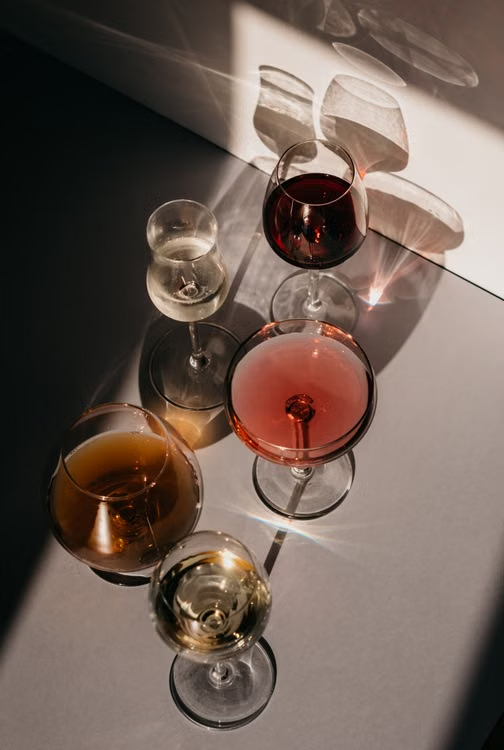
2. How Many Wines Should You Serve?
For most at-home wine tasting parties, four to six wines is enough.
Fewer wines give guests time to remember what they tasted. Too many bottles can turn the tasting into regular drinking, and the comparisons start to blur. Four wines work well for a small group or a weeknight gathering. Six wines give you more variety if you have a larger group or want a longer tasting.
Pour small tasting portions rather than full glasses. Guests are sampling several wines, so they do not need much of each bottle to compare color, smell, taste, and finish.
Keep water on the table, serve food throughout the evening, and make sure everyone has a safe way home. A wine tasting should feel relaxed and social, not like a race through the bottles.
3. How Much Wine Do You Need?
How much wine you need depends on the number of guests, the number of bottles, the pour size, and whether guests will keep drinking their favorites afterward.
As a general rule, one standard bottle can provide several small tasting pours. If you are serving four to six wines, you can usually buy a little less than you would for a typical dinner party, because guests are sampling multiple bottles rather than drinking full glasses of each.
A helpful hosting rhythm is:
Tasting first. Favorite bottle afterward.
Start with small pours so everyone can compare the wines. Once the tasting is finished, open more of the bottle people want to keep drinking, or let everyone revisit their favorite. This gives the night a natural shift from activity to hanging out.
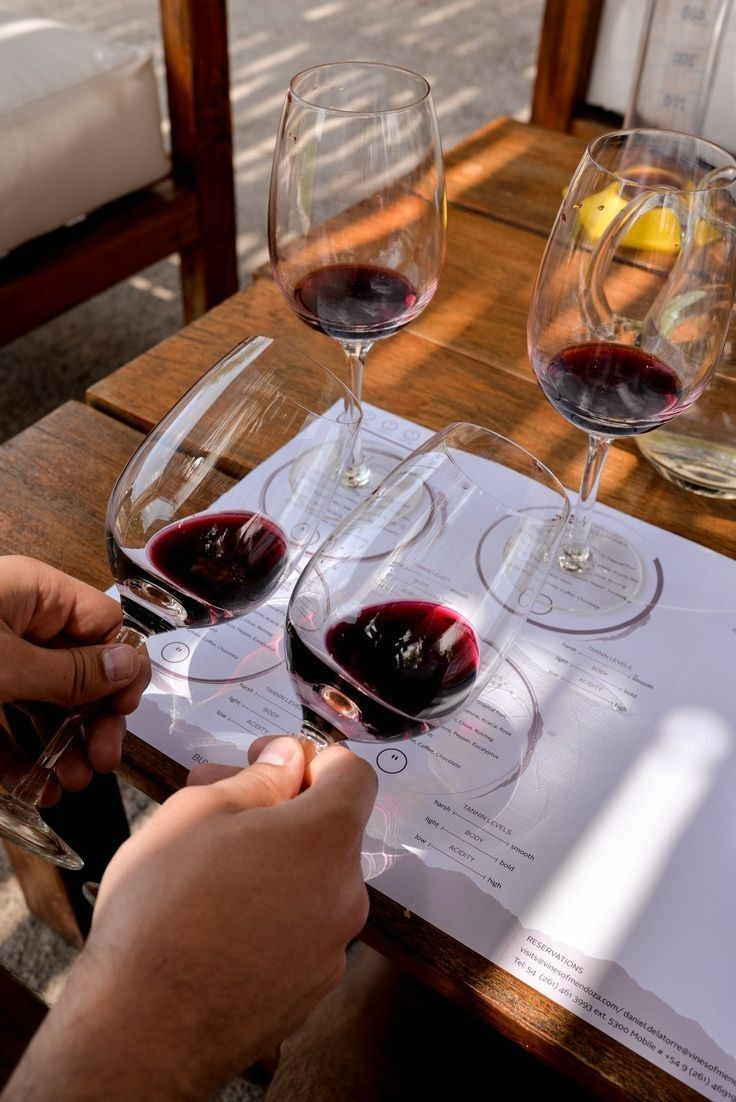
4. Set Up the Wine Tasting Without Buying a Ton of Glassware
You do not need a separate glass for every wine.
If you have one wine glass per person, use one glass per person. Guests can rinse with water between wines. This is the easiest option and works for most casual tastings.
If you have two glasses per person, you can compare wines side by side. This is useful for themes like Pinot Noir from two regions or an under-$20 tasting where people want to go back and forth.
If you already own enough glasses for every pour, great. Use them. If not, the tasting will still work.
A simple wine tasting setup includes:
- Wine glasses
- Water glasses
- Water pitchers
- Napkins
- Bottle opener
- Ice bucket, if needed
- Dump bucket or extra bowl
- Pens
- Tasting sheets or note cards
- Food nearby
If you are hosting a larger group or want an easy cleanup option, stemless disposable wine glasses can help. If you want to make the table feel more intentional, larger wine glasses like these burgundy wine glasses are useful, but not required.
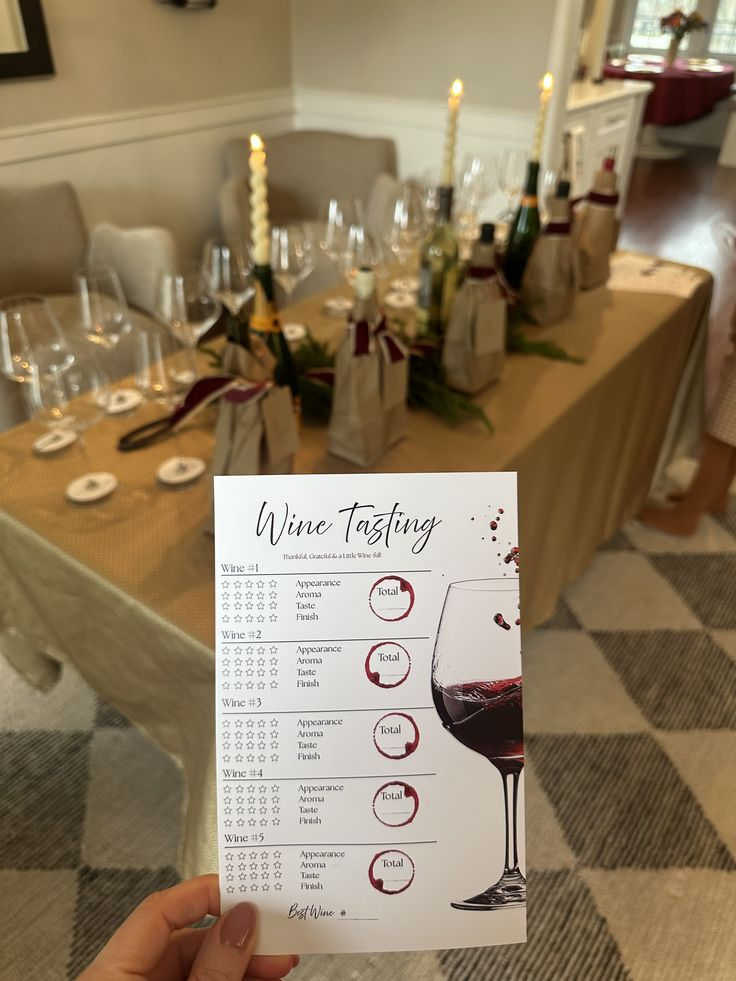
5. Give Everyone a Very Easy Wine Tasting Scorecard
A wine tasting scorecard keeps the activity focused without making anyone feel tested.
Do not ask guests to identify cassis, graphite, or wet stone. Most people just need simple prompts that help them notice what they like.
For each wine, ask:
- Do I like this?
- Is it light, medium, or bold?
- Does it taste fruity, earthy, spicy, floral, or something else?
- Would I drink this again?
- What would I eat with it?
- What is my rating from 1 to 5?
You can also add a few fun categories:
- Best label
- Biggest surprise
- Most likely to order at a restaurant
- Best value
- Bottle we would buy again
For a blind tasting, add one extra question:
What do you think this costs?
That question usually gets people talking. It also keeps the tasting social rather than technical. If you want something already laid out, a printable wine-tasting placemat can make the table feel more organized without much effort.
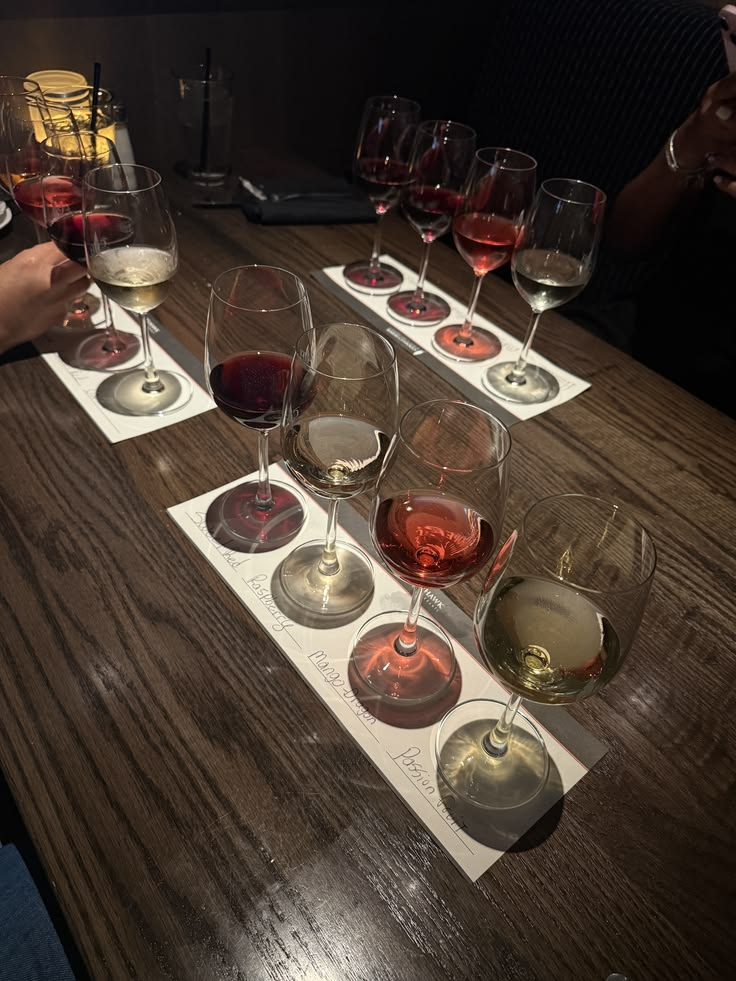
6. Serve the Wines in an Order That Makes Sense
You do not need to make this complicated. The basic order is:
- Sparkling before still wine
- Whites before reds
- Lighter wines before heavier wines
- Dry wines before sweet wines
This order helps keep stronger wines from overpowering lighter ones. That is enough information to make the night work.
If you are only tasting reds, start with the lightest bottle and move toward the boldest. If you are only tasting whites, begin with something crisp and finish with something richer. If you are not sure, make your best guess and move on. The tasting does not fall apart because two bottles are switched.
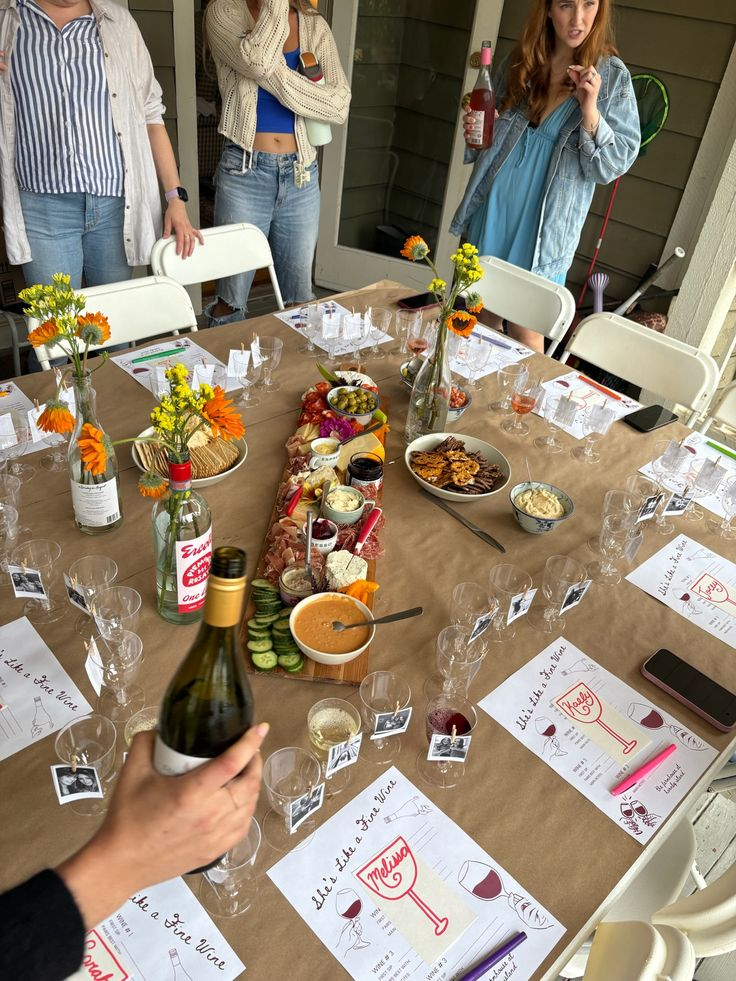
7. What Food Should You Serve at a Wine Tasting?
The food should support the tasting, not become a formal dinner.
Use this simple formula:
Bread or crackers, cheese, something salty, something fresh, and one substantial bite.
Bread and Crackers
Bread and crackers help reset the palate between wines. Choose something neutral, like sliced baguette, plain crackers, or sourdough crackers. If you want a little more flavor for later in the evening, these seasoned buttery crackers can work after the main tasting.
Cheese
Choose two or three cheeses instead of building a huge board. A soft cheese, a firm cheese, and something a little stronger will give guests enough variety without overwhelming the table.
A simple cheeseboard and knife set can make the setup feel polished, but the food does not need to be styled within an inch of its life.
Something Salty
Add one or two salty options, such as olives, Marcona almonds, mixed nuts, charcuterie, or potato chips like Christie's Sea Salt Potato Chips. Salty snacks are easy, familiar, and useful when people are drinking.
Something Fresh
Fruit keeps the table from feeling too heavy. Grapes, pears, apples, or seasonal fruit all work well.
Something More Substantial
If the tasting overlaps dinner, serve one more filling option. Flatbread, pizza, crostini, simple pasta, or sandwiches are all easier than a full plated meal.
If you want the evening to continue into dinner, the First Dinner Party of Fall Menu is a useful resource for seasonal ideas. For a more collaborative version, borrow the structure from these potluck-hosting tips and ask guests to bring one snack or a bottle.
You do not need a styled grazing table to taste wine. You need enough food to keep people comfortable.
8. Skip Strong Flavors Until After the Tasting
During the actual tasting, avoid foods that can overwhelm the wine. Very spicy dishes, garlicky dips, and overly sweet desserts can make it harder to taste the differences between bottles.
Keep the first round of snacks fairly neutral. Once everyone has picked favorites, bring out the more flavorful food. This creates an easy transition into dinner, dessert, or a second round of snacks.
If some guests are not drinking, include a zero-proof option, so they still feel considered. A bottle like Salty Seagull Alcohol-Free Cocktail by Hapsy can sit near the wine without making the non-drinking option feel like an afterthought.
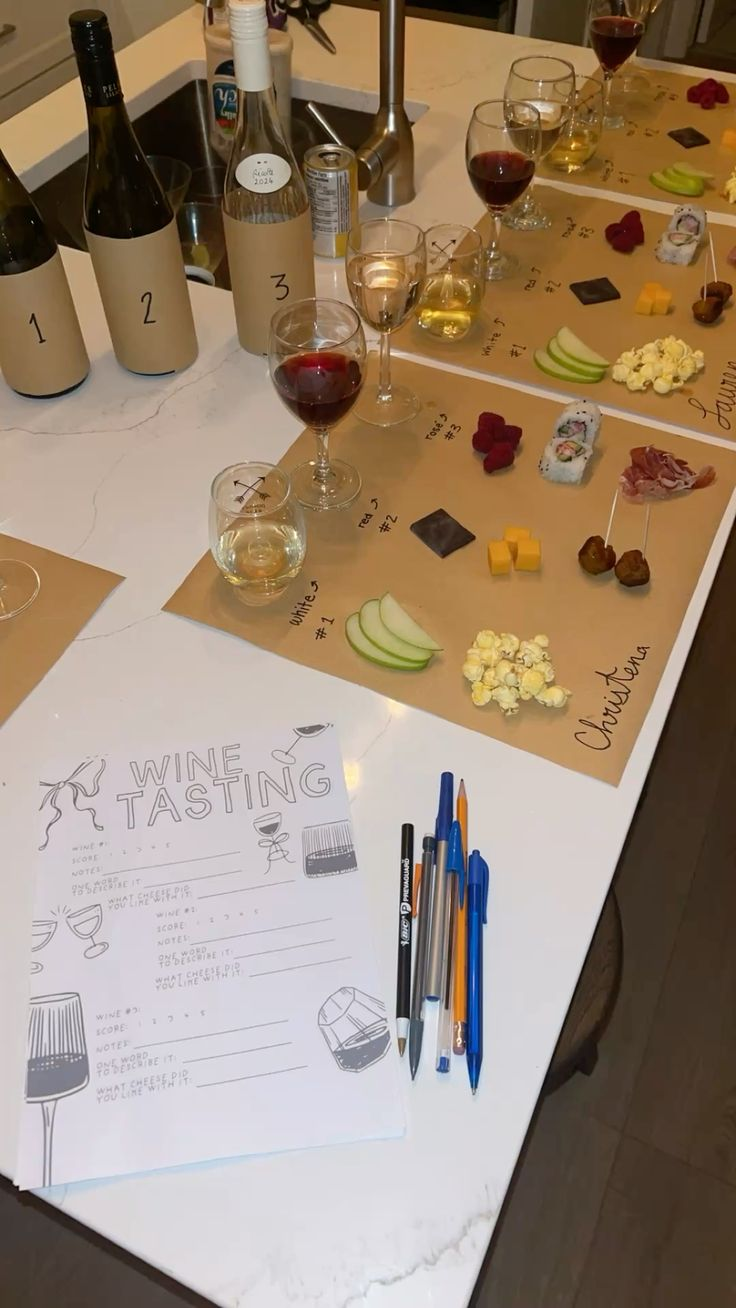
9. Try a Blind Wine Tasting if You Want to Make It More Fun
A blind tasting sounds formal, but it is one of the easiest ways to make a wine night more playful.
Cover each bottle with a paper bag, foil, fabric wine bag, or numbered sleeve. Label them Wine 1, Wine 2, Wine 3, and so on. Have everyone taste and score the wines before revealing the grape, region, price, and producer.
You can keep the categories simple:
- Favorite overall
- Best value
- Best label, revealed afterward
- Most surprising
- Bottle to buy again
This works especially well with an under-$20 theme because it removes price and label bias. Someone may love the least expensive bottle. Someone else may confidently dislike the one they expected to enjoy. That is the point.
10. Give the Night a Loose Timeline
Wine tasting benefits from structure, but it does not need an agenda.
Here is an easy timeline:
7:00 p.m.
Guests arrive, grab water or a welcome pour, and snack.
7:30 p.m.
Start the tasting.
7:30 to 8:30 p.m.
Taste four to six wines.
8:30 p.m.
Reveal favorites or blind-tasting results.
8:30 onward
Open the favorite bottles, bring out more food, and keep hanging out.
This keeps the tasting from taking over the entire evening. The activity gives people a shared starting point, then the night can relax.
For music, put on a playlist before guests arrive so you are not choosing songs while opening bottles. This wine tasting playlist is an easy starting point.
11. Ask Everyone to Bring a Bottle
If you want an easier and less expensive version, make the tasting collaborative.
Give each guest a loose assignment, such as:
- Bring a Pinot Noir under $25.
- Bring a wine from Italy.
- Bring a bottle you have never tried.
- Bring your favorite inexpensive wine.
- Bring a bottle with a label you love.
Then the host handles the food, glassware, water, tasting sheets, and setup.
This lowers the cost and gives everyone a small role in the night. It also makes the reveal more interesting because each bottle is linked to a person.
Partytrick can help make those shared responsibilities easier to track. Add the wine theme, guest list, food plan, and timing to your event, then note who is bringing each bottle or snack so everyone knows what they own before they arrive. One guest can take the Pinot Noir, another can bring crackers or fruit, and someone else can bring a zero-proof option. The goal is not to assign a complicated job to every person. It is to give guests a simple way to contribute, while keeping the plan clear for the host.
Need a few bottle ideas to get started? You could include a white like Fontana Italian Pinot Grigio, a red like Pinot Noir by Juliet, or a Cabernet like Mom Juice Cabernet Sauvignon, depending on your theme.
12. Keep the Wine Conversation Casual
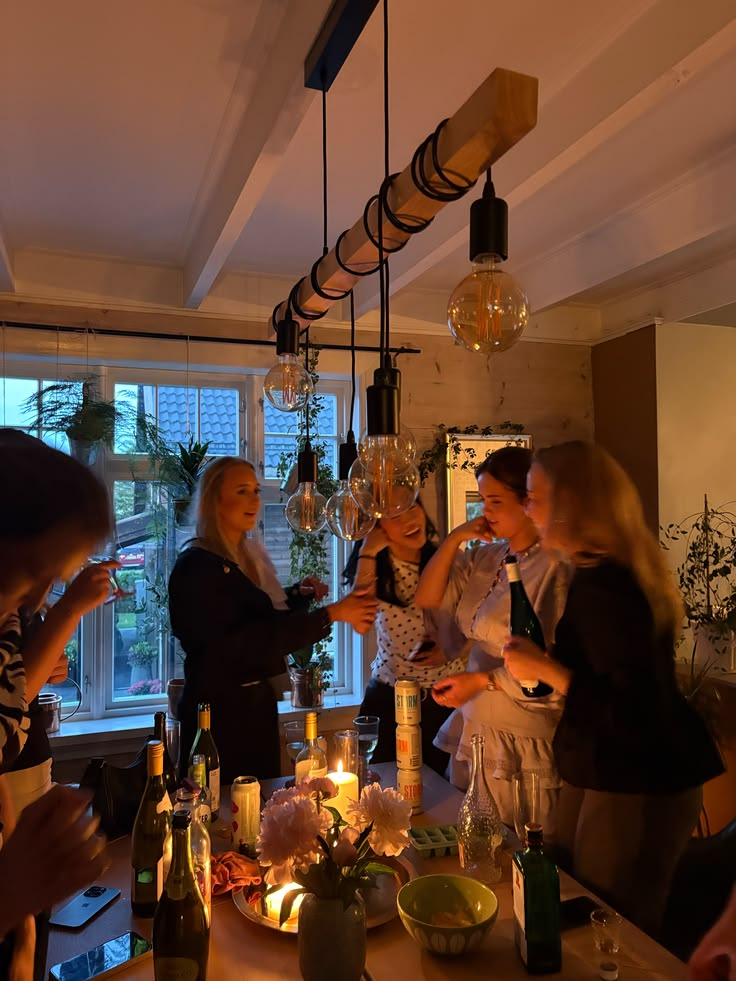
Nobody needs to know the correct vocabulary.
Encourage guests to say things like:
- I like this one.
- This tastes lighter.
- This one feels sweeter.
- I would drink this with pizza.
- I do not like this at all.
- This smells like something I cannot identify.
All valid.
The point is not for everyone to agree. It is more interesting when people like different things. One person might prefer the crisp white. Another might love the boldest red. Someone else may discover they only came for the snacks and the playlist.
There are no prizes for finding the exact tasting note printed on the back of the bottle.
13. Do a 30-Minute Setup Before Everyone Arrives
A little prep keeps you from opening cabinets and hunting for pens while guests are standing in the kitchen.
Earlier that day:
- Chill wines as needed.
- Prep food.
- Print or write tasting sheets.
- Confirm bottles.
- Check glassware.
- Put water in the fridge.
- Set aside a bottle opener.
Thirty minutes before:
- Open any wines that need it.
- Set out glasses.
- Number bottles if doing a blind tasting.
- Put out pens and scorecards.
- Set out snacks.
- Fill water pitchers.
- Put on music.
- Keep the first pour ready.
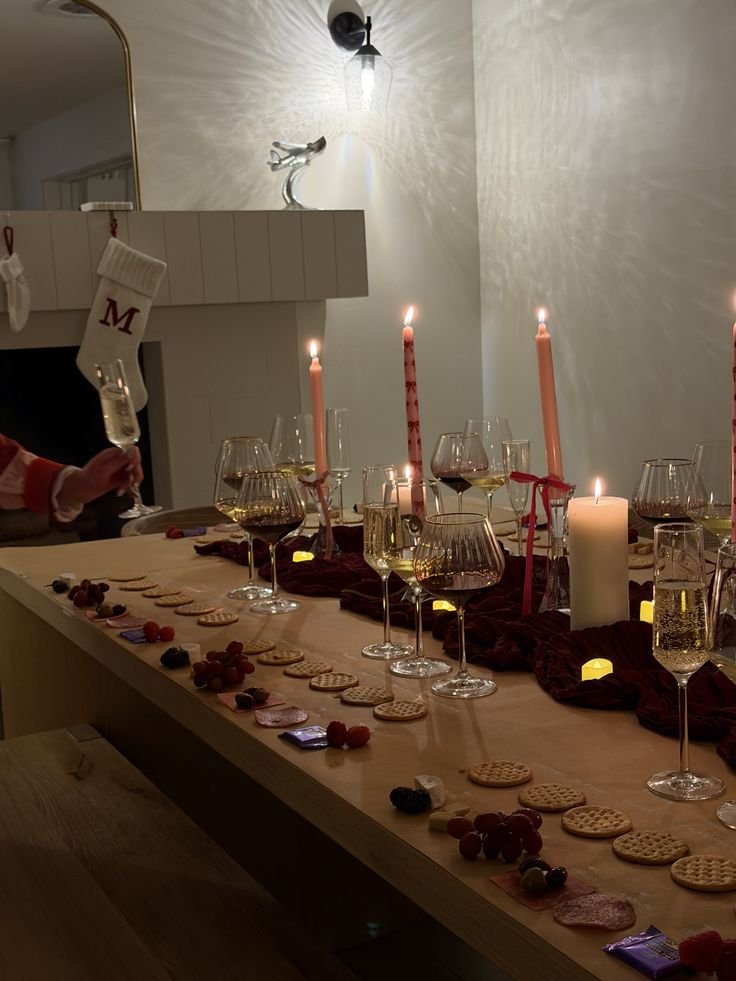
If you like a little atmosphere, a few red-wine-bottle drip candles can add warmth to the table. Just avoid anything heavily scented near the wine.
For a more built-out gathering, you can start with the Always Sparkling Dinner Party or the Happy Hour with Une Femme Playbook, then adapt the food and timing to suit your tasting.
Pick the bottles. Partytrick can help with the rest. Start planning your wine tasting for free.
14. End With a Favorite, Not a Winner
You do not need to declare the best wine.
Let everyone choose their favorite. One person might love the $18 Pinot. Someone else might prefer the boldest bottle. Another guest may realize they do not like red wine as much as they thought.
That is what makes the evening interesting.
Wine tasting is not about proving what you know. It is about giving everyone something to taste, compare, and talk about together.
Your At-Home Wine Tasting Checklist
- Invite a manageable group.
- Pick a wine theme.
- Choose four to six bottles.
- Decide whether guests are bringing wine.
- Chill bottles as needed.
- Plan small tasting pours.
- Set out water.
- Gather glasses.
- Create a simple scorecard.
- Buy bread or crackers.
- Add two or three cheeses.
- Add something salty.
- Add fruit.
- Decide whether you will serve dinner afterward.
- Number bottles for a blind tasting if desired.
- Set out pens.
- Choose a playlist.
- Taste from lighter to heavier.
- Reveal favorites.
- Open another bottle of whatever everyone wants to keep drinking.
A wine tasting at home does not need to feel like a class. Pick a few bottles, give everyone something good to snack on, and let the conversation do the rest.
FAQ
How do you host a wine tasting at home?
Choose four to six wines around a simple theme, pour small tasting portions, serve snacks that will not overwhelm the wine, and give guests an easy scorecard. Keep the focus on what people like, not on formal wine knowledge.
How many wines should you have for a wine tasting?
Four to six wines is a good range for most at-home wine tastings. It gives guests enough variety to compare without making the tasting feel too long.
How much wine do you need for an at-home tasting?
One standard bottle can provide several small tasting pours. Plan based on your guest count, number of wines, and whether people will keep drinking favorite bottles after the tasting.
What food should you serve at a wine tasting?
Serve bread or crackers, two or three cheeses, something salty, something fresh, and one more substantial bite if the tasting overlaps dinner. Keep the first round of food simple so it does not overpower the wine.
What order should you taste wine in?
Taste sparkling before still wine, whites before reds, lighter wines before heavier wines, and dry wines before sweet wines. This helps stronger wines avoid overpowering lighter ones.
Do you need a separate glass for every wine?
No. One glass per person is fine if guests rinse between pours. Two glasses per person are helpful for side-by-side comparisons, but extra glassware is not required.
How do you do a blind wine tasting at home?
Cover each bottle with a paper bag, foil, or fabric sleeve, then label the bottles by number. Have guests taste and score each wine before revealing the grape, region, price, and producer.
What should you put on a wine tasting scorecard?
Include simple prompts: Do I like this? Is it light, medium, or bold? Would I drink it again? What would I eat with it? What is my rating from 1 to 5? For blind tastings, add a price guess.
How many people should you invite to a wine tasting?
A group of six to ten people works well for most home wine tastings. It is enough for conversation, but still manageable for pours, food, and seating.
How do you make a wine tasting fun for beginners?
Keep the language casual, choose approachable bottles, use simple scorecards, and let people compare what they like. A blind tasting or under-$20 theme can make the night feel playful without requiring wine knowledge.
You bring the wine. Partytrick helps bring the night together.
More articles
Halloween Party Ideas from the Pros: How to Host a Night Guests Still Talk About
Ask a professional what makes a Halloween party work, and the answer is rarely just a pumpkin.

Halloween Party Themes for Adults That Go Beyond Costumes
Host a Halloween night built around something your friends will enjoy doing together, with costumes optional. Explore ten adult party themes, with simple food pairings and practical tips to help you choose one that fits your group, space, and budget.

Ask Partytrick: How Do I Host a Halloween Party When Half My Friends Hate Costumes?
Planning a Halloween party when half your friends hate costumes can be simple by making costumes optional and clearly stating the dress code in the invitation. You can center the evening around an activity like a movie night, game night, or pumpkin decorating so everyone feels welcome to join in on the fun.
Sign up for expert tips, exclusive content, and the 411 on the latest parties—all straight to your inbox.
Your shortcut to stress-free hosting
Spend less time coordinating and more time actually connecting.