



with
Host How I Host: Akeshi Akinseye on Designing Gatherings Around How People Feel
Host How I Host: Akeshi Akinseye on Designing Gatherings Around How People Feel
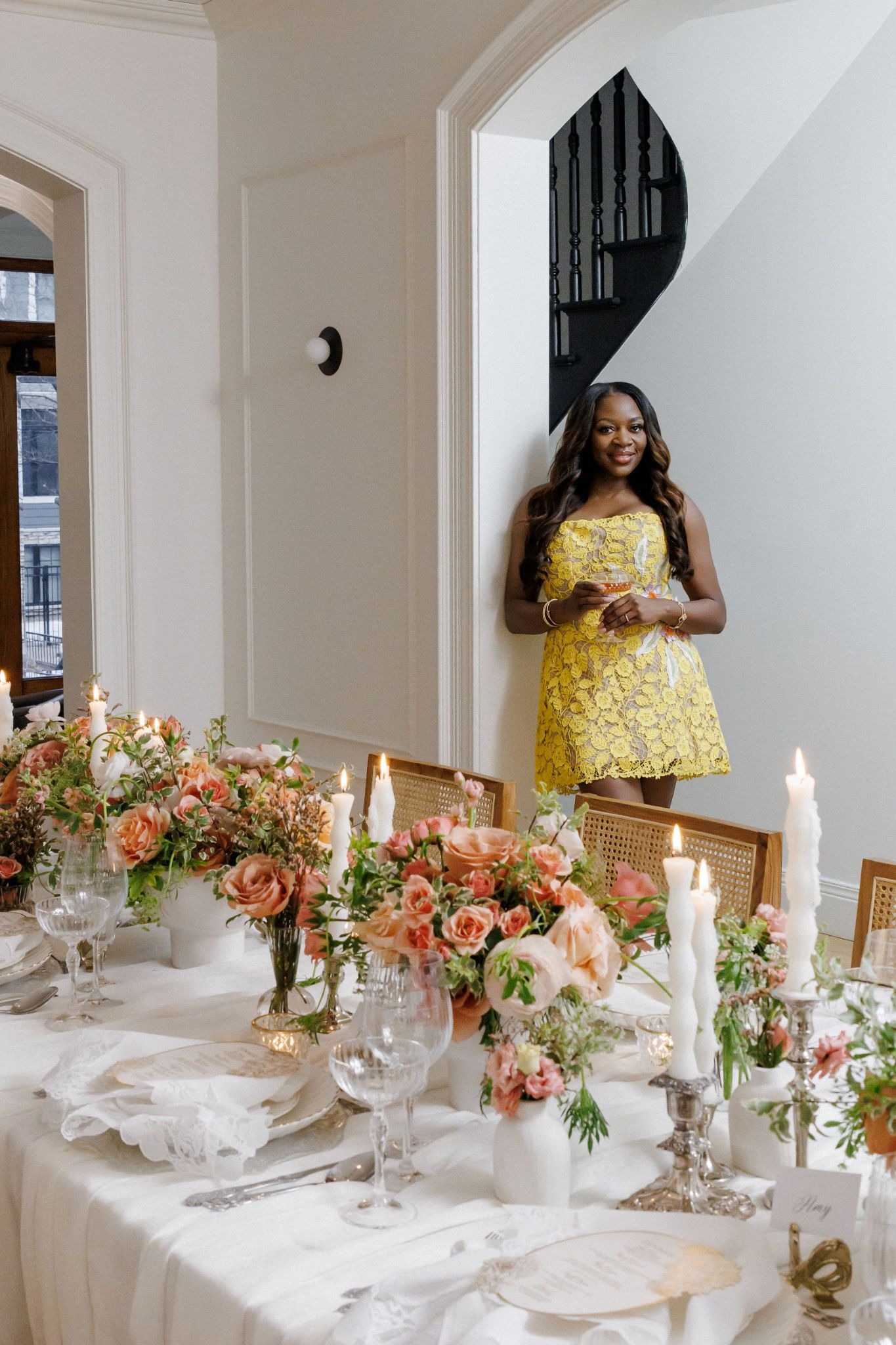
Most hosting decisions become easier once you stop asking what the table should look like and start asking how the room should feel.
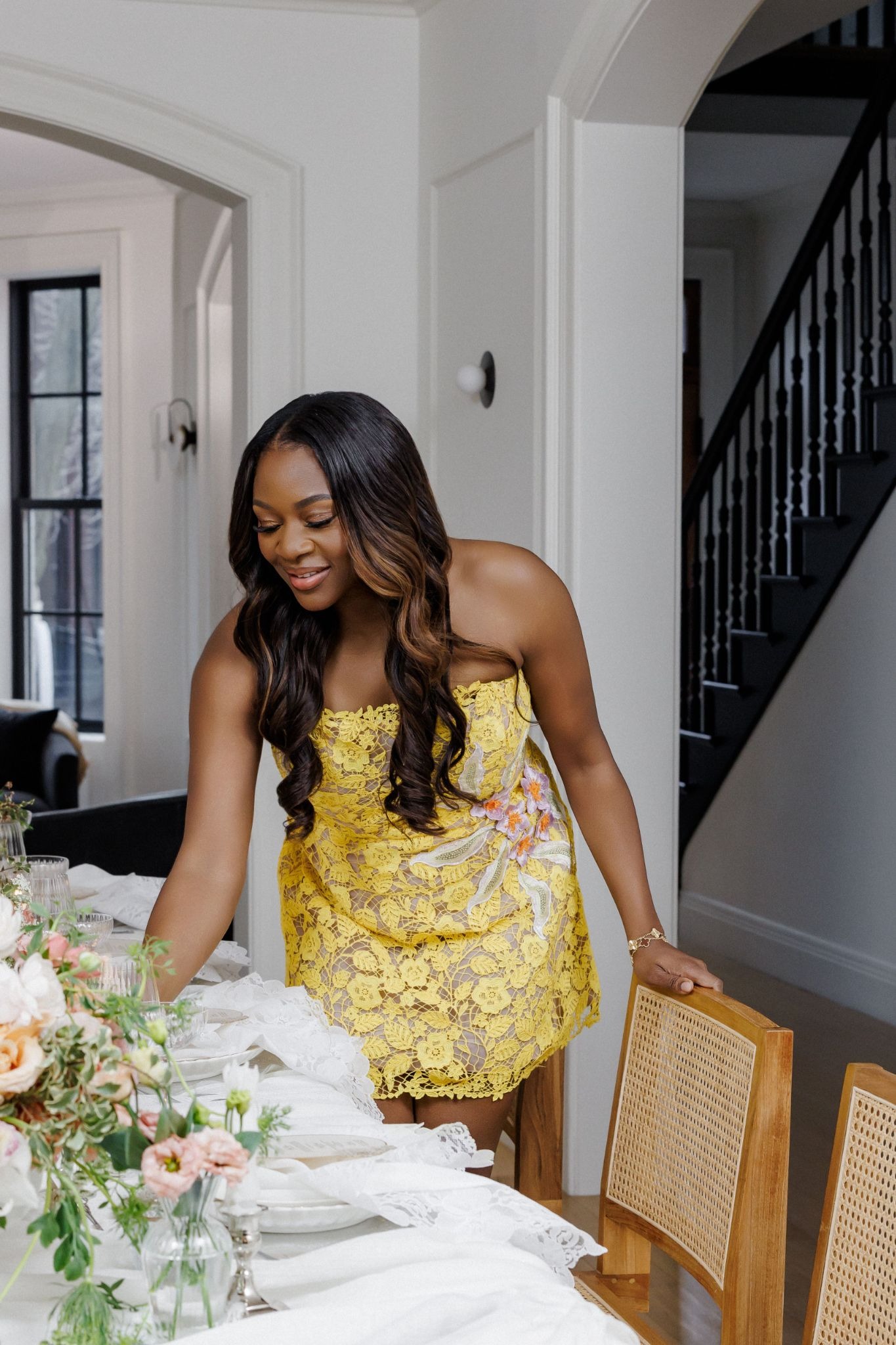
For Akeshi Akinseye, founder of Kesh Events, that emotional intention is the organizing principle behind everything: the menu, music, lighting, flowers, seating, and pace of the night. As a globally recognized wedding planner, event and floral designer, author, and speaker, she creates culturally rich celebrations that pair refined design with deeply personal storytelling.
Her lesson for hosts at home is reassuringly practical: thoughtful hospitality is not about doing everything, but more about making each decision serve the people in the room.
Hosting Q&A with Akeshi
Q: Where do you begin when planning a gathering at home?
A: I begin with the occasion, then define how I want people to feel. That emotional intention guides every decision that follows—from the menu and music to the lighting, flowers, and pace of the evening. Once the feeling is clear, the other choices become much easier to make.
Q: What would you prioritize for a beautiful tablescape on a limited budget?
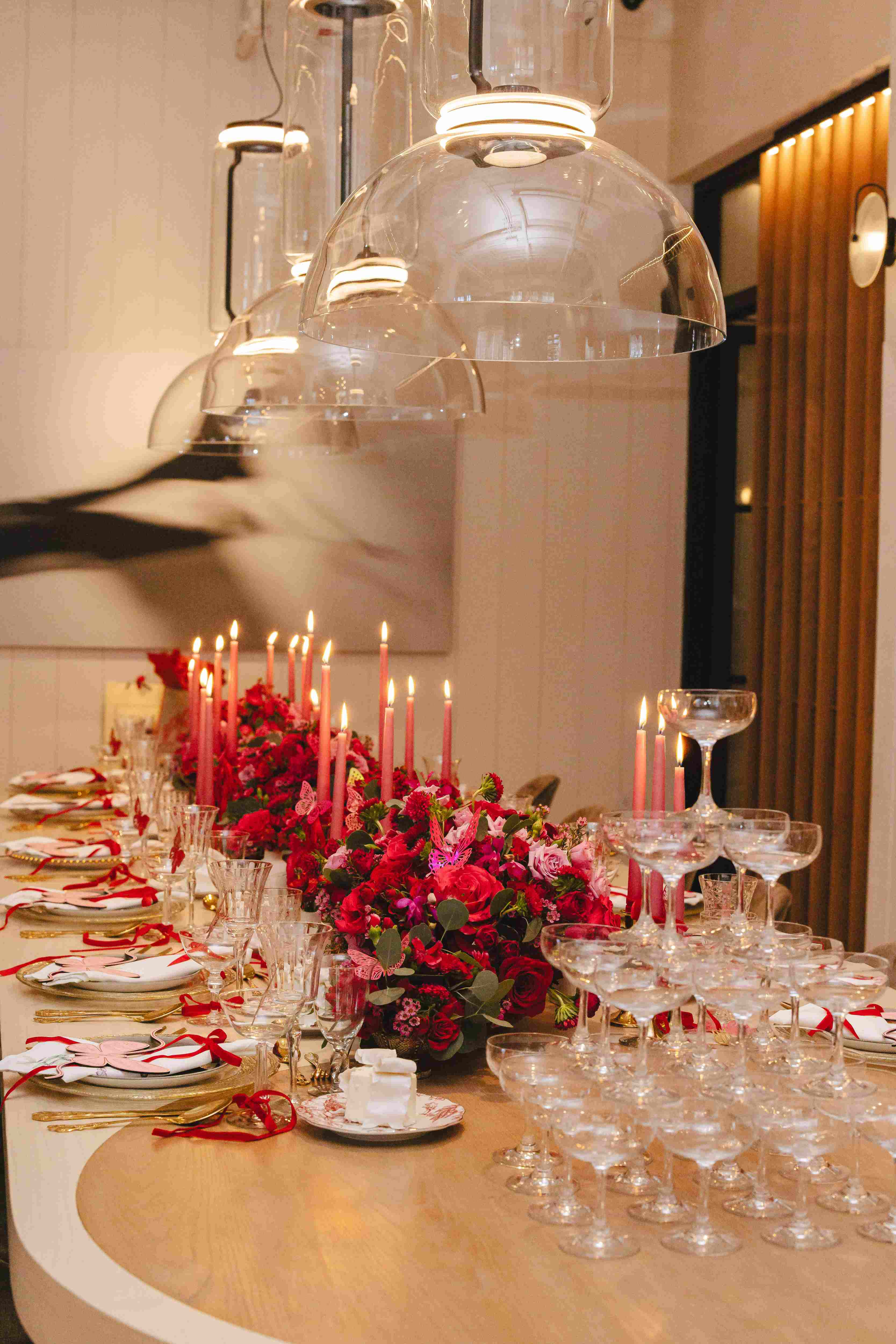
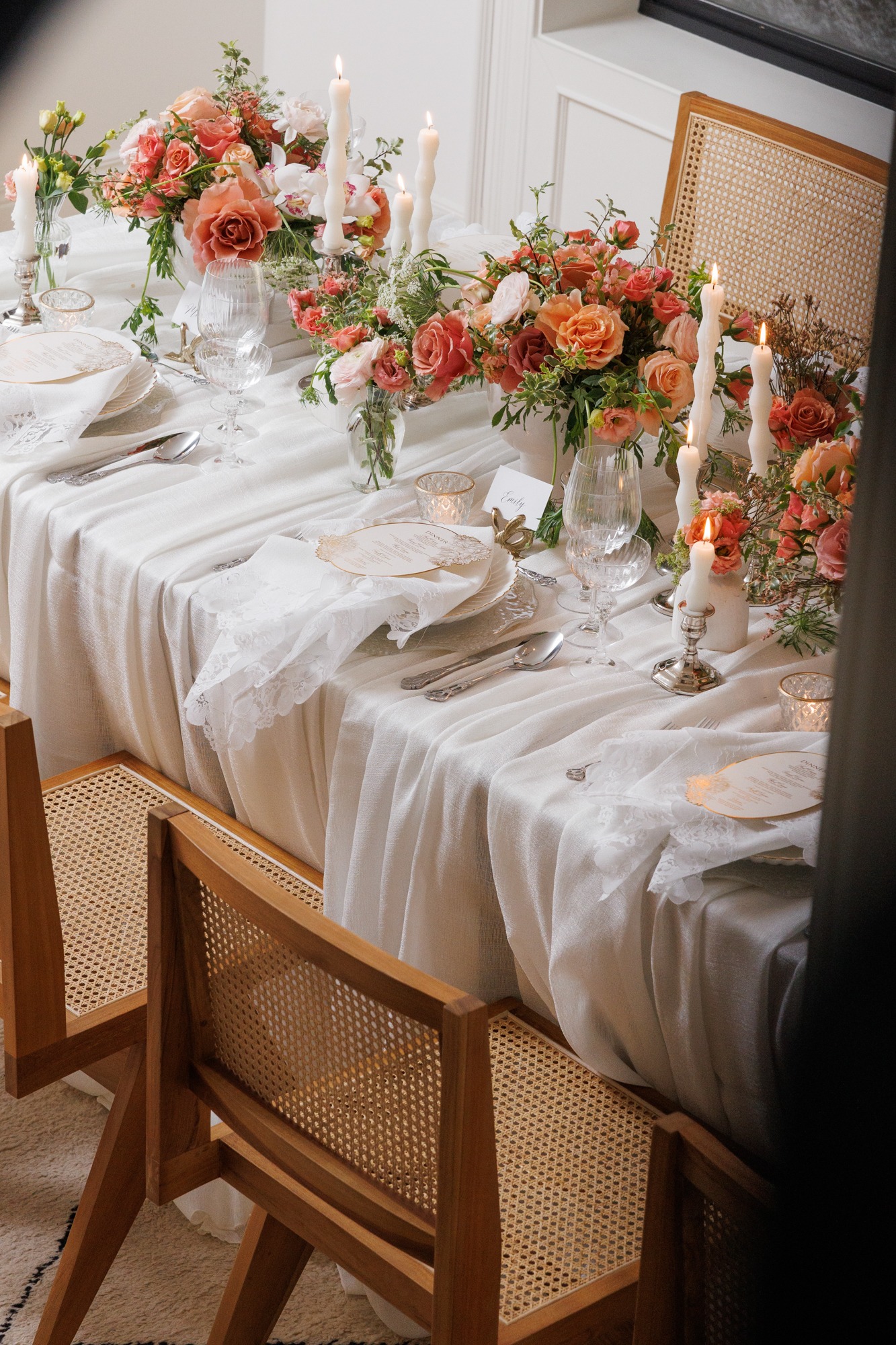
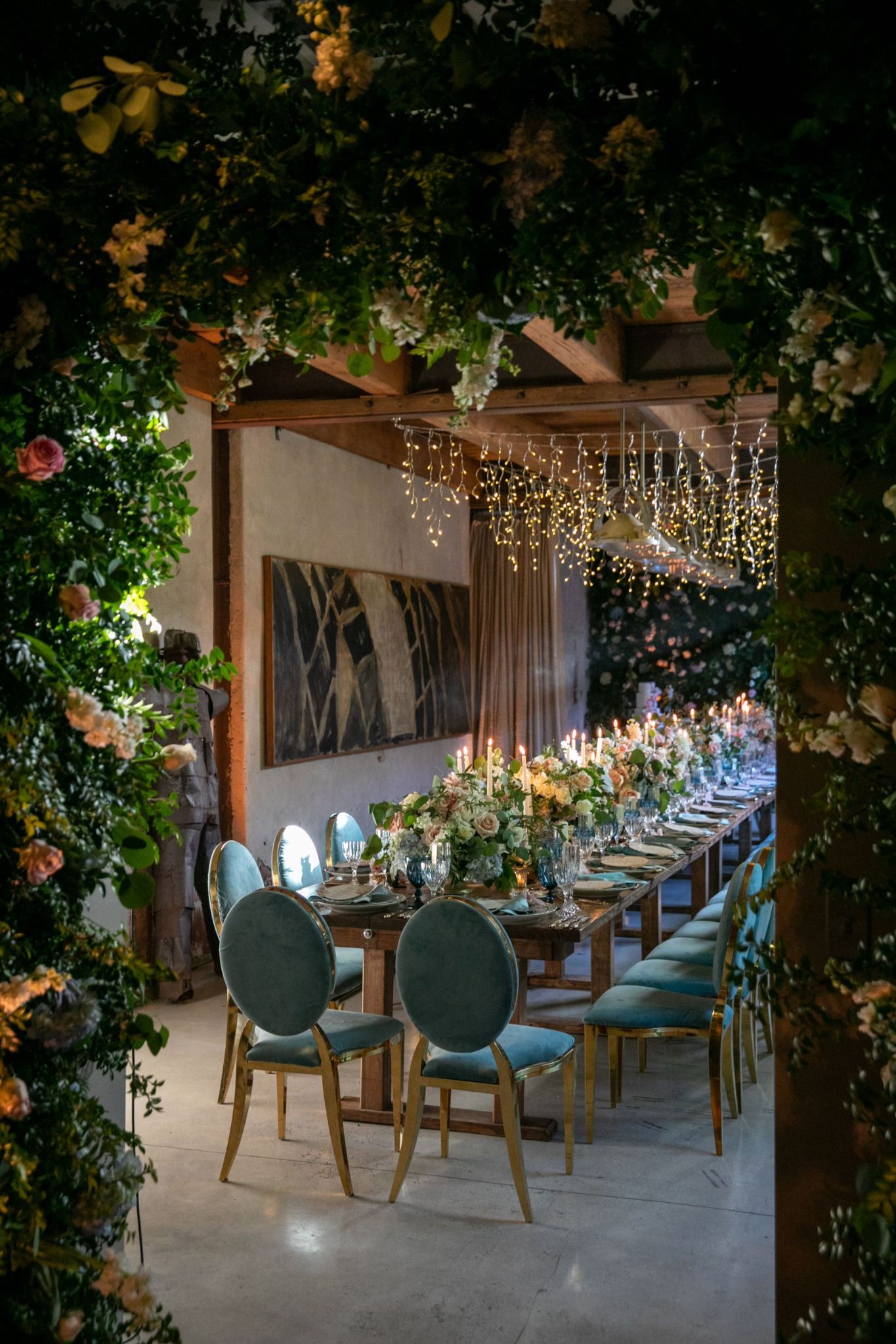
A: I would focus on candlelight, beautiful cloth napkins, and one simple but abundant floral or greenery moment. You do not need expensive pieces to create atmosphere. Repetition, a restrained color palette, and thoughtful placement can elevate everyday dinnerware.
Q: How do you break the ice without making the evening feel forced?
A: I love making thoughtful introductions that reveal a shared interest, then letting good music, a signature welcome cocktail, and intentional seating do the rest. For smaller gatherings, I may add a playful conversation prompt or a simple interactive moment, but it should always feel natural. The goal is to give people an easy opening, not to overmanage the conversation.
Q: What do you serve as guests arrive?
A: My signature welcome drink is a French 75. Champagne is always a classic, but I love turning it into a simple cocktail with gin, fresh lemon juice, and a touch of simple syrup. I also offer a nonalcoholic version with sparkling wine or sparkling water so every guest can enjoy the experience.
For food, I like delicious, effortless bites such as caviar with potato chips or beautiful chips with a flavorful sauce or dip. They feel elevated without requiring the host to spend the entire evening in the kitchen.
Q: How do you use music to shape the pace of dinner?
A: My dinner party soundtrack moves from soulful and sophisticated to warm and celebratory. I love Sade, Cleo Sol, Chet Baker, and a mix of classic and modern jazz, followed by more upbeat music as the evening opens up. Music should evolve with the room: softer during arrivals and dinner, then livelier once everyone is settled.
Q: What advice would you give someone who feels overwhelmed by hosting?
A: Simplify the plan and prepare in layers. Choose a menu you can make mostly ahead, set the table the day before, and buy or outsource one or two elements. Most importantly, release the pressure to make everything perfect. Your guests will remember your warmth and presence far more than whether every detail was homemade.
Q: What are your favorite products or brands to use when hosting?
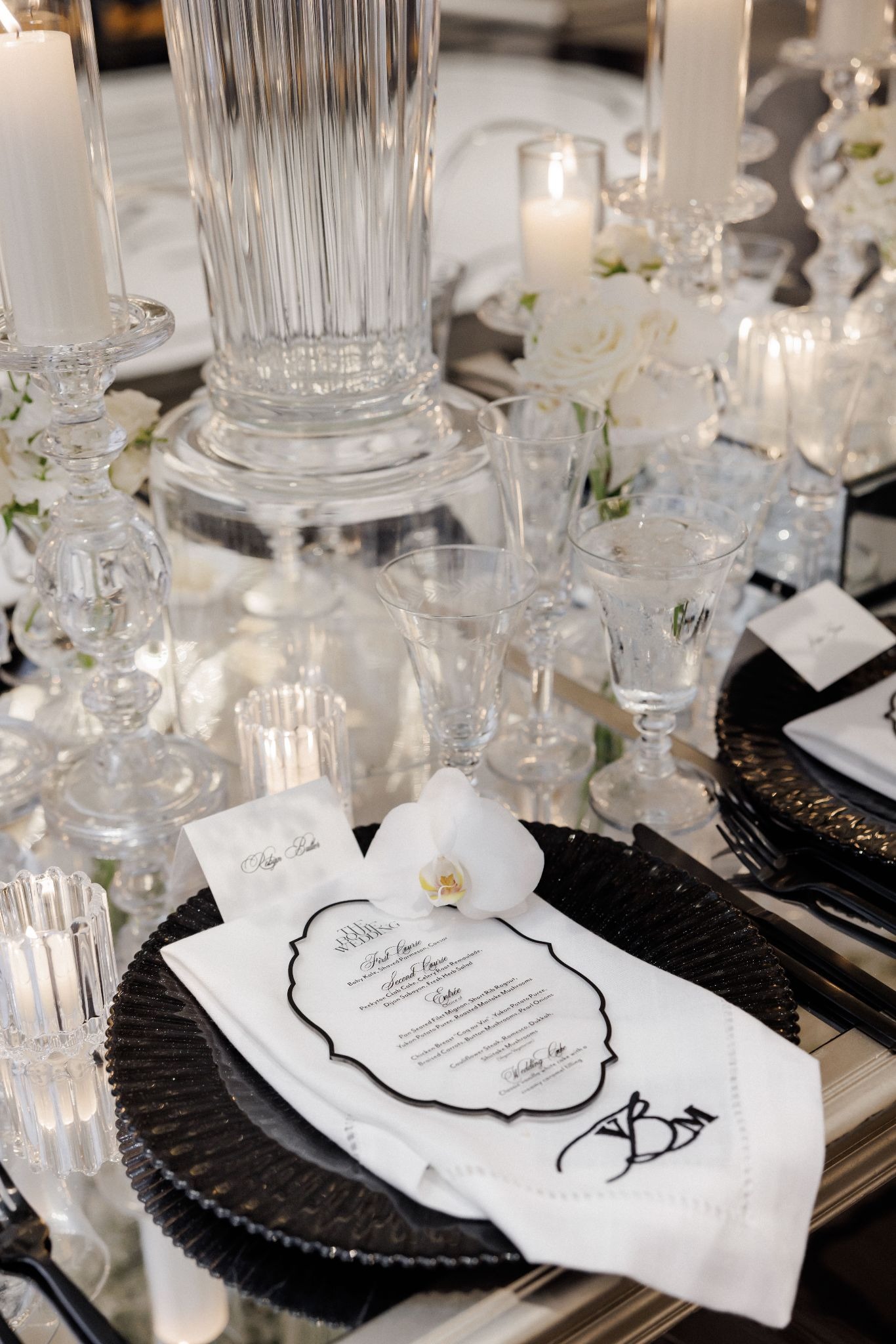
A: I love using antique pieces I have collected over the years, especially anything with vintage charm or a sense of history. I enjoy mixing those collected finds with modern essentials that still feel timeless. Some current favorites include Pottery Barn’s Eyelet Border Cotton Napkins for their delicate heirloom detail, Crate & Barrel’s vintage-inspired Easton Silver Martini Glass, Ralph Lauren Home’s beautifully cut Langley Crystal Martini Glass, and West Elm’s sculptural Solei Metal Ice Bucket.
I also love the garden-inspired AERIN x Williams Sonoma Meadow Lace Dinner Plates and Juliska’s hammered Graham Double Cocktail Bowl for serving olives, nuts, or other small bites. Together, these pieces create a table that feels layered, personal, and collected rather than overly coordinated.
Partytrick Take: Real Hosting Takeaways
Akeshi’s approach is refined, but its underlying structure is simple: define the experience, prepare early, and choose a few details that make guests feel cared for. The polish comes from consistency—not from adding more. A clear guest list, a make-ahead menu, and a short planning timeline will do more for the evening than a long list of decorative extras.
How can I recreate this hosting style in a simple way?
Build the gathering around one defining arrival moment. Turn off the overhead lights, light candles at several heights, start a soulful playlist, and offer every guest the same signature drink in a beautiful glass. Add a nonalcoholic version using sparkling wine or sparkling water so the welcome feels inclusive.
Then keep the rest easy. Serve one elevated, low-effort snack—caviar and potato chips, olives and nuts, or chips with a great dip—and let the atmosphere carry the first part of the night. If you want the menu, setup, and timing already mapped out, the Always Sparkling Dinner Party playbook or Coastal Caviar Clambake playbook can give you a workable starting structure.
What is the most important planning decision behind this gathering?
The core decision is how guests should feel. Once Akeshi chooses that intention, it shapes the layout, food, timing, and guest flow. An intimate feeling suggests closer seating, warm pools of light, food that does not pull the host into the kitchen, and a slower transition from cocktails to dinner. A celebratory feeling might call for a brighter soundtrack later in the evening and a more abundant table.
This is useful because it reduces the number of decisions rather than adding them. When two ideas compete, choose the one that better supports the intended feeling. That is how a gathering becomes cohesive without becoming complicated.
What can hosts borrow from this approach for their own event?
- Write down three words describing how you want guests to feel before you plan anything else.
- Move at least two tasks to the day before, including setting the table.
- Choose one repeated visual element: candles, one flower variety, greenery, or a single napkin color.
- Plan the welcome as carefully as dinner: prepare the first drink, start the music early, and make thoughtful introductions.
- Outsource one item that would otherwise keep you from being present.
Want more from Akeshi Akinseye? Follow @akeshiakinseye and @keshevents on Instagram, visit AkeshiAkinseye.com, or explore Kesh Events and The Art of Celebrating. Ready to plan your own gathering? Create a free Partytrick account and start with a playbook that turns inspiration into a clear timeline.
More articles
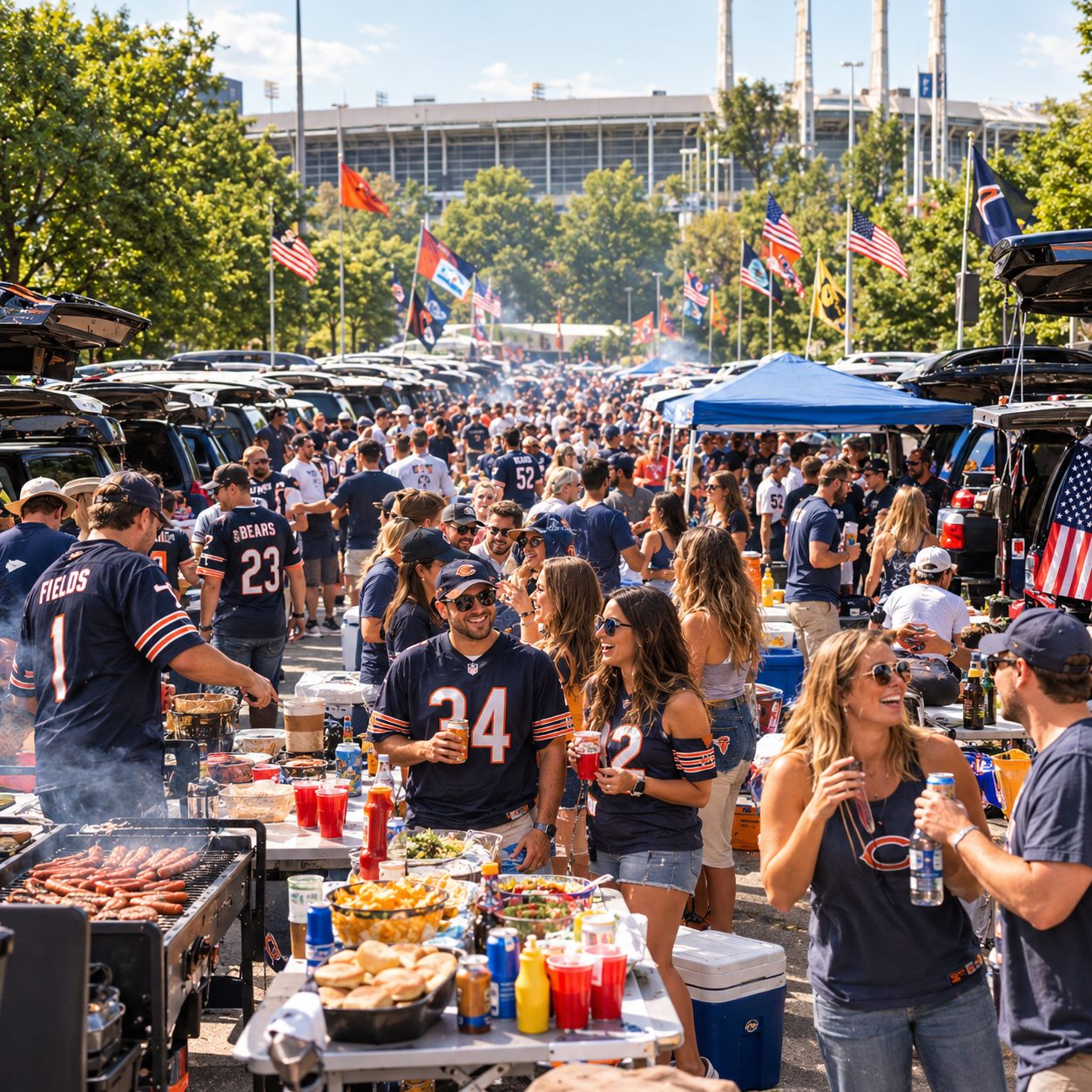
Ask Partytrick: What Do I Need to Bring to a Tailgate?
Learn what to bring to your first tailgate with a practical checklist covering food, drinks, serving supplies, setup, and cleanup, plus easy tips to keep everything organized and game day stress free.
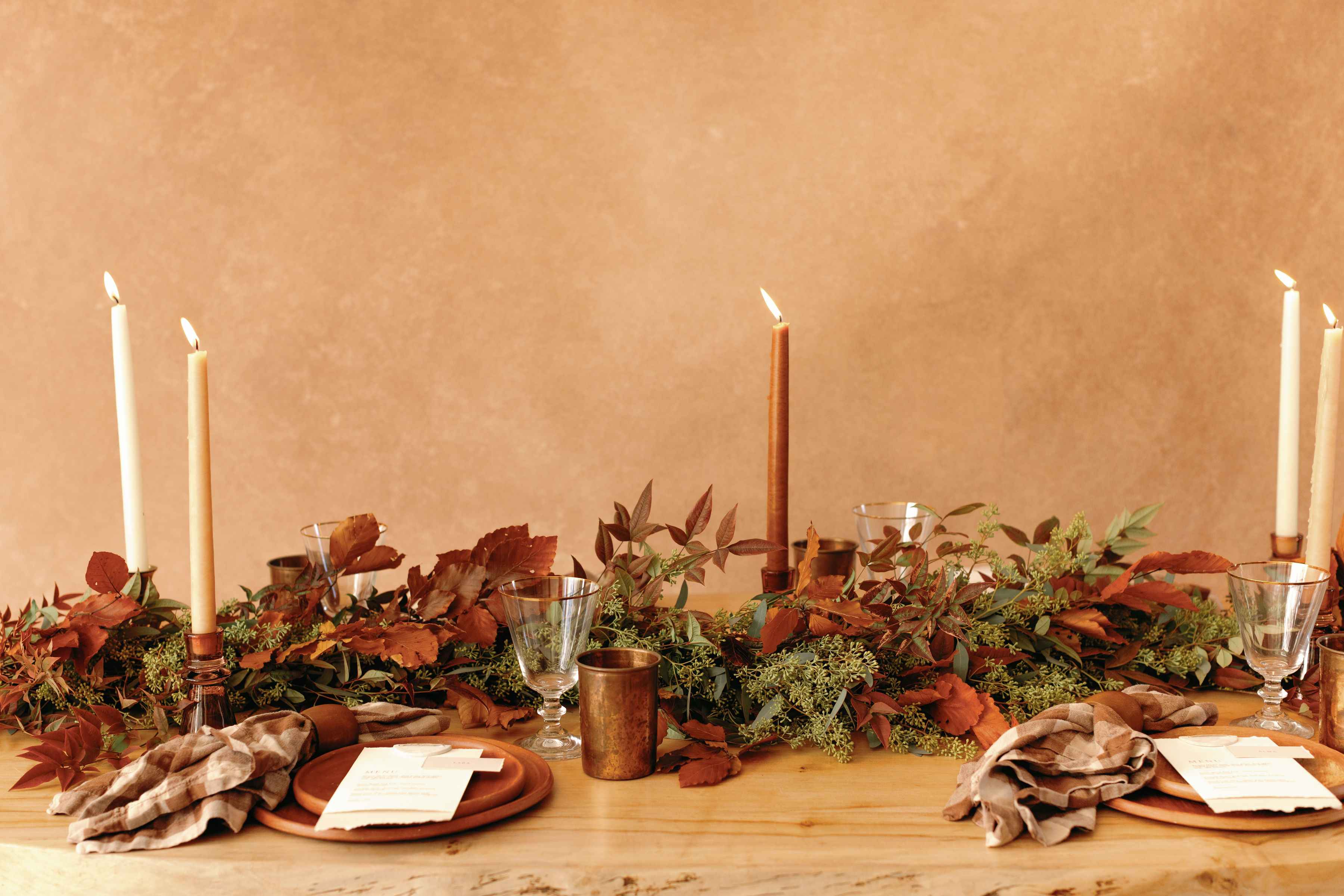

Host How I Host: Meg Blancato and Natalie Gill of Native Poppy on Flower-Forward Gatherings
Native Poppy co-owners Meg Blancato and Natalie Gill share how color, flowers, and relaxed details can turn a gathering into something whimsical, welcoming, and memorable. From bud vases and edible flowers to candlelit backyard dinners, their hosting style proves that beauty feels best when it is lived-in, personal, and easy to enjoy.
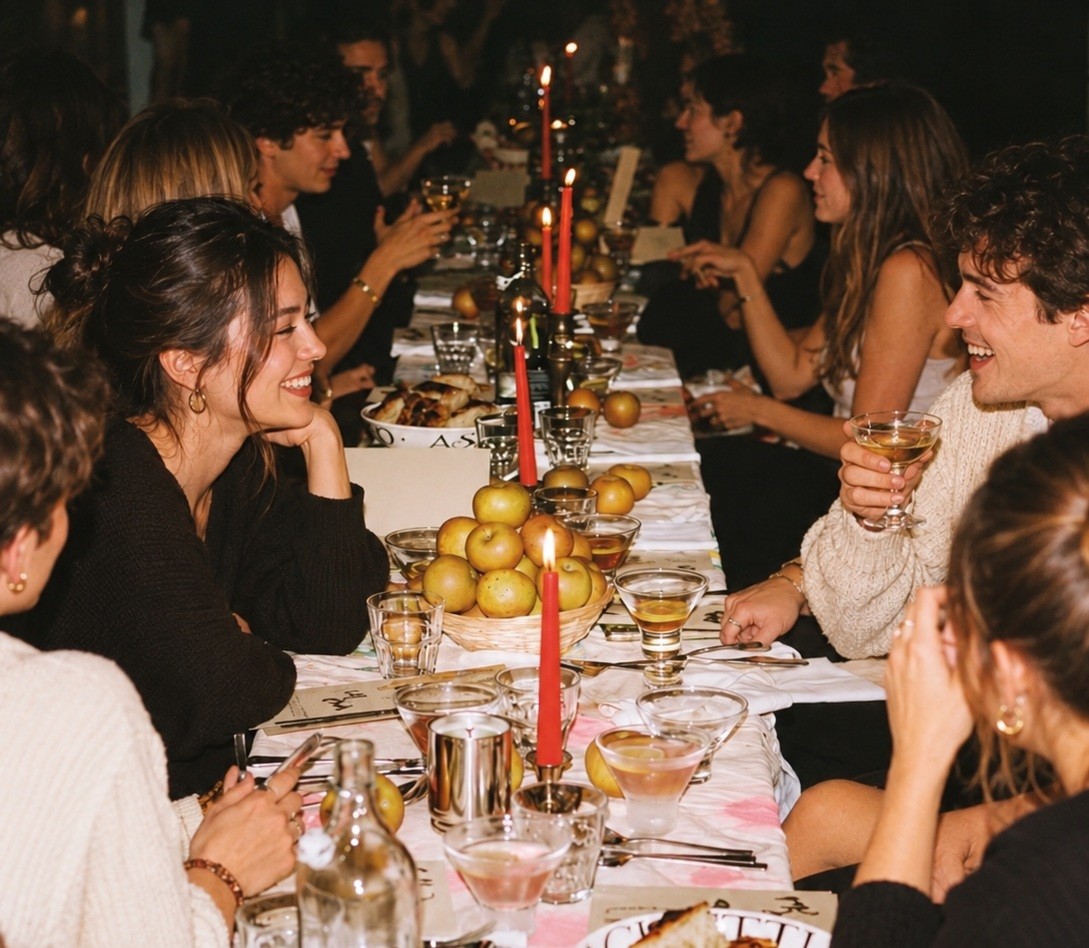
How to Start a Sweater Weather Supper Club with Friends
Turn “we should get together this fall” into a supper club that’s actually on the calendar with a simple plan for choosing guests, setting a date, sharing the cooking, and hosting your first cozy dinner.
Sign up for expert tips, exclusive content, and the 411 on the latest parties—all straight to your inbox.
Your shortcut to stress-free hosting
Spend less time coordinating and more time actually connecting.