



Everything a Room Parent Needs to Know Before the School Year Starts
Becoming a room parent often starts with a quick yes.
Maybe the teacher asked for volunteers during back-to-school night. Maybe another parent mentioned that no one had signed up yet. Maybe you wanted to be more involved this year and thought, How hard could it be?
Then, sometime later, the questions begin to arrive. Are you planning every class party? Are you in charge of collecting money? Do you need to know every school policy by heart? What if no one responds to your emails?
If you are a first-time room parent, it is completely normal to feel unsure at the beginning.
The role can sound bigger than it actually is, especially when you imagine elaborate classroom celebrations, long volunteer lists, and a full year of school reminders waiting to be managed.
The good news is that being a room parent is much less about creating Pinterest-perfect parties and much more about helping the classroom run smoothly. At its best, the role is simple: you support the teacher, communicate clearly with families, and help make classroom moments feel organized, inclusive, and enjoyable.
This room parent guide will walk you through what the role typically involves, what to do before the school year gets busy, and how to set yourself up for a year that feels manageable rather than overwhelming.
What Does a Room Parent Actually Do?
A room parent is usually a parent or caregiver who helps the teacher coordinate communication, volunteers, and classroom support throughout the school year. The exact room parent responsibilities vary by school, grade, and teacher, but the general purpose is the same: to make it easier for families to support the classroom.
You are not there to replace the teacher, make classroom decisions, or take over the rhythm of the school day. You are there to help with the pieces that benefit from extra organization.
Common room parent duties may include:
- Acting as a liaison between the teacher and other parents
- Helping organize classroom celebrations
- Coordinating volunteers for events or activities
- Supporting Teacher Appreciation Week
- Assisting with classroom needs when requested
- Communicating important dates, reminders, or sign-up opportunities
- Helping families understand how they can contribute in practical ways
Think of yourself as the person who helps translate a teacher’s needs into clear next steps for parents.
If the teacher says, “We’ll need a few volunteers for the fall celebration,” you might create the sign-up, send the email, and make sure each person knows what to bring or do. If the class needs supplies for a project, you may help organize donations so the teacher does not have to send several follow-up messages.
The role is helpful because teachers already manage so much. A good room parent reduces the number of small administrative details on the teacher’s plate while making it easier for other families to participate.
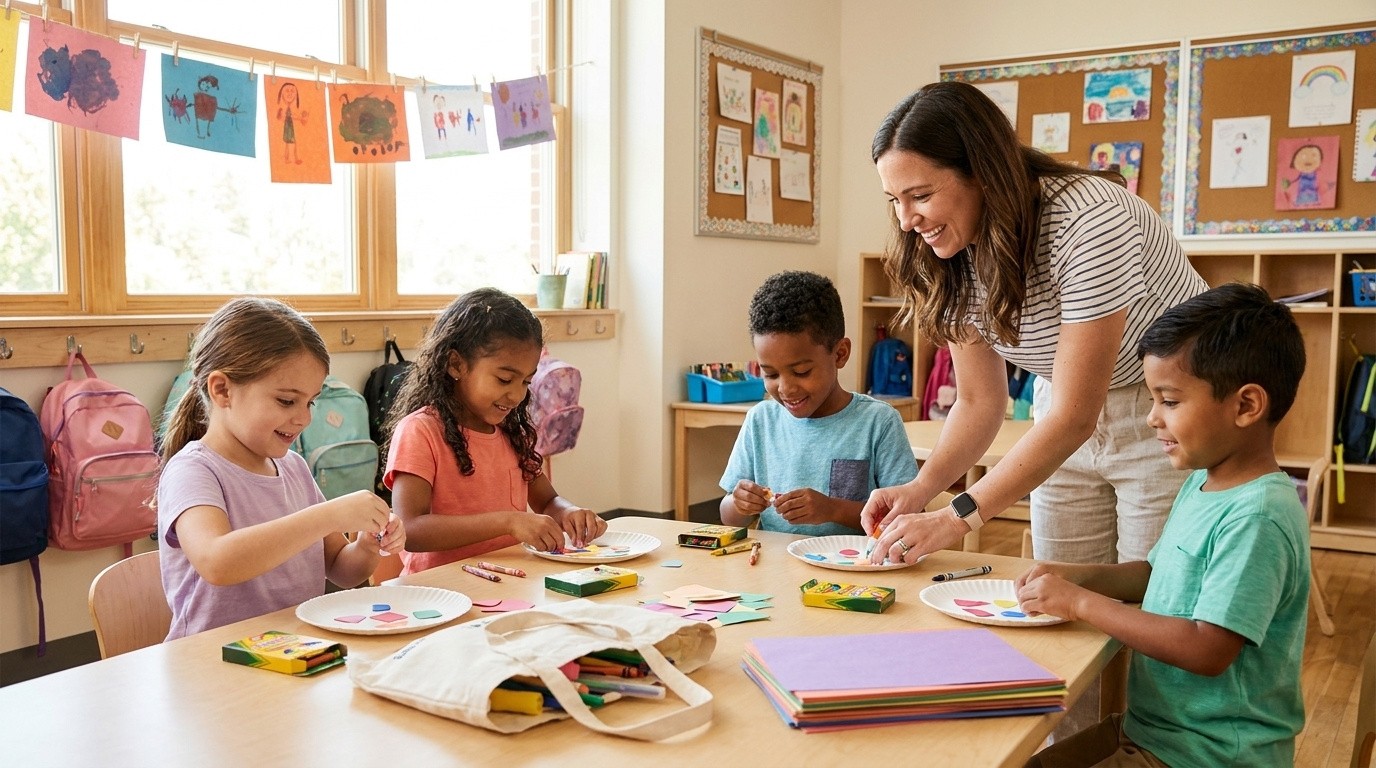
Meet With the Teacher Early
Before you start planning celebrations, creating sign-ups, or drafting your first parent email, schedule a short conversation with the teacher. This can be in person, over the phone, or by email. It does not need to be formal, but it should happen before you make assumptions about what the classroom needs.
Every teacher has a different style. Some love parent involvement and appreciate help with several events throughout the year. Others prefer a lighter touch and may only want support for specific occasions. Some teachers have a clear system from previous years, while others may be figuring out what works best for this class.
Use the first conversation to understand how the teacher wants the role to function.
Helpful questions to ask include:
- How do you prefer to communicate with me?
- How do you prefer I communicate with families?
- Are there classroom events already planned for the year?
- Are there any food, allergy, decoration, or volunteer rules I should know about?
- How involved would you like the room parent to be?
- What has worked well in previous years?
- Are there things you would rather avoid this year?
- Do you want to review parent emails before they are sent?
This conversation can prevent a lot of unnecessary work. For example, you may be excited to plan a fall craft day, only to learn that the school does not allow food-based crafts or that the teacher already has a simple activity planned. Or you may assume the teacher wants weekly updates, when they would actually prefer one email before each event.
A short check-in early on gives you direction and helps the teacher feel supported rather than surprised.
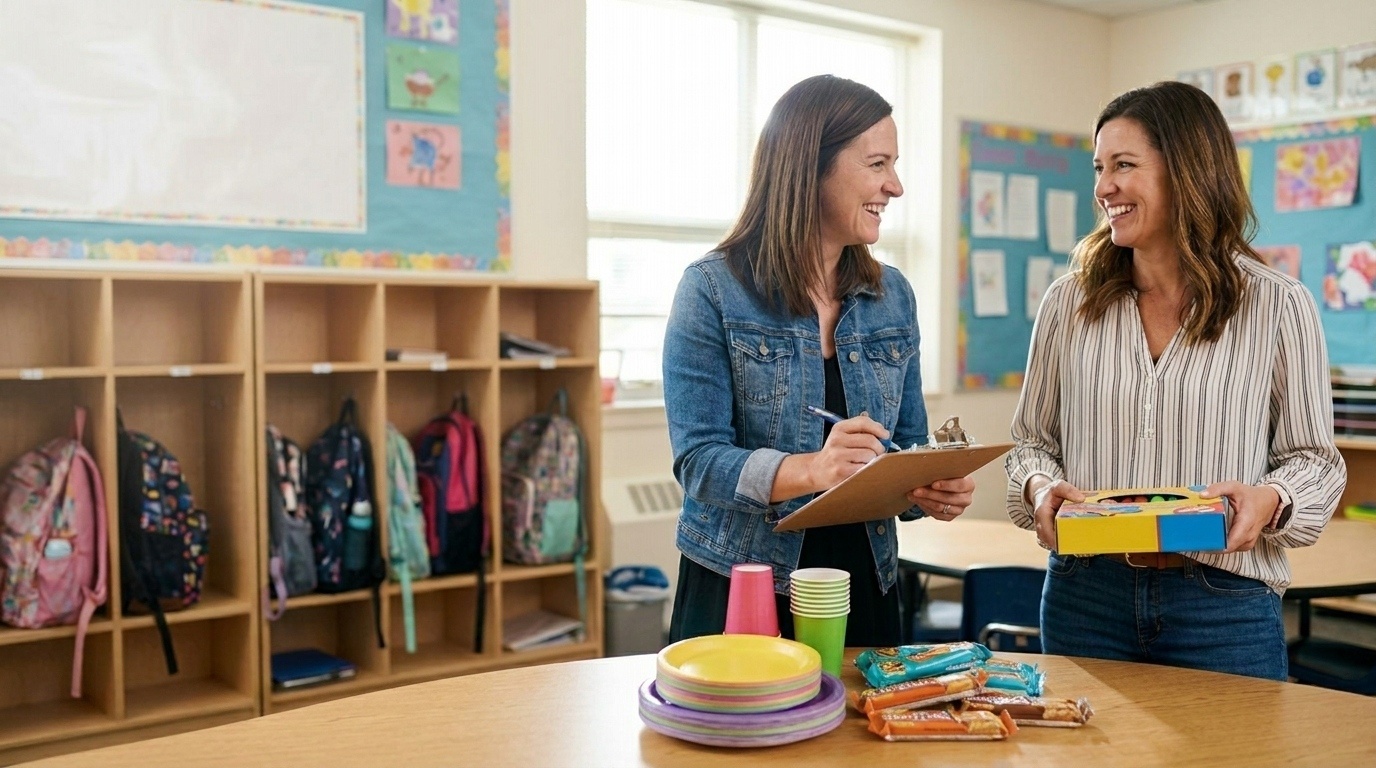
Learn Your School’s Policies
School policies are not the most exciting part of being a classroom volunteer, but they matter. They affect almost every event you might help coordinate, from birthday celebrations to holiday parties to volunteer sign-ups.
Before the year gets busy, learn the guidelines that apply to your class. Some schools provide these in a handbook or PTO document. Others may share them through the teacher, office, or parent organization.
Pay attention to policies around:
- Volunteer requirements or background checks
- Visitor check-in procedures
- Food allergies and approved snacks
- Birthday celebrations
- Holiday or seasonal classroom events
- Fundraising rules
- Teacher gift policies
- Photo and social media permissions
- Sibling attendance during classroom events
- Limits on decorations, crafts, or outside materials
Knowing these details early saves time later. It is much easier to plan within the rules from the beginning than to undo an idea after parents have signed up or supplies have been purchased.
For example, if the school does not allow homemade food, you can ask families to contribute packaged snacks or non-food items instead. If photos cannot be shared in group chats, you can avoid accidentally putting families in an uncomfortable position. If volunteers need background checks, you can remind parents well before the first event instead of discovering the requirement the day before.
Policies are not there to make the room parent role harder. They simply help keep expectations clear and consistent for everyone.

Get Organized Before You Need To
Room parenting becomes stressful when every event feels like starting from scratch. A little organization at the beginning of the school year can make the rest of the year feel much easier.
You do not need an elaborate system. You just need a simple place to store information youwill need again.
Consider setting up:
- A digital folder for school documents, class lists, and event notes
- A calendar with important school dates
- A running list of classroom supplies or recurring needs
- Email templates for volunteer requests and reminders
- A contact list for parents who have agreed to help
- A simple checklist for classroom celebrations
- A note for what worked well after each event
The goal is not to become perfectly organized. The goal is to reduce the number of decisions you need to make under pressure.
For example, after the first classroom celebration, take five minutes to write down what worked.
Maybe the craft took too long, but the snack setup was easy. Maybe families responded better to a sign-up with small, specific tasks. Maybe the teacher preferred that volunteers arrive 10 minutes early rather than right at party time. Those notes will help you plan the next event without relying on memory.
If you are coordinating multiple celebrations throughout the year, Partytrick’s Playbook Library can also be a helpful source of structure and inspiration.
Seasonal ideas like Trick or Treat, classroom-friendly craft inspiration like Be Mine, Valentine, or kid-friendly themes like Where the Wild Things Are: Birthday Rumpus can help you think through activities without starting from a blank page.

Build Relationships With Other Parents Early
Room parenting is much easier when it feels collaborative. You do not need to become close friends with every family, but it helps to create a warm, approachable tone from the beginning.
If your school has a back-to-school event, introduce yourself briefly. Let parents know you will be helping coordinate classroom communication and volunteer needs. Keep it simple and friendly: “Hi, I’m helping as room parent this year. I’ll send occasional notes when the class needs volunteers or supplies.”
If the class uses a communication group, join it early and pay attention to how families prefer to connect. Some parents check email often. Others are more responsive to a school app or text thread. The teacher or school may have rules about which communication channels are allowed, so confirm those first.
As you get to know families, notice different strengths.
Some parents may enjoy attending classroom events. Others may prefer sending supplies because work schedules make volunteering difficult. Some are great at organizing crafts, while others are happy to pick up paper plates, create labels, or send reminder messages.
Making it easy for people to help in small ways can increase participation. A parent who cannot attend a classroom party may still be glad to send napkins or prepare a playlist. Someone who does not want to lead an activity may be comfortable checking in volunteers at the door.
Strong relationships make the year smoother because parents are more likely to respond when they feel included rather than pressured.
For more on how back-to-school season can help families connect, Partytrick’s post on why back-to-school is one of the best times to build community is a useful companion read.

Communication Tips That Keep Everyone Happy
Communication is one of the biggest room parent responsibilities, and it is also one of the easiest places to overcomplicate things.
Parents are busy. Teachers are busy. The best room parent communication is short, clear, and easy to act on.
When sending emails or messages, include the essential details near the top:
- What is happening
- When it is happening
- What is needed
- The deadline
- How parents can sign up or respond
- Any important school rules
Instead of saying, “Let me know if you can help with the class celebration,” try something more specific: “We need two volunteers to lead the craft, one volunteer to bring paper goods, and three families to send individually wrapped snacks by Thursday.”
Specific requests are easier to answer. They also make volunteering feel manageable.
Give families as much notice as possible, especially if you are asking for supplies, money, or in-person help. A reminder a week before an event, plus another brief reminder the day before, is usually enough. Too many messages can make parents tune out, while too few can leave everyone scrambling.
It also helps to avoid unnecessary reply-all chains. If you are sending a group email, consider asking parents to respond directly to you or use a sign-up link. This keeps inboxes calmer and prevents one small event from turning into 23 separate notifications.
Your tone matters, too.
A warm message goes a long way. You can be clear without sounding demanding, and you can be friendly without writing a long note. The goal is to make participation feel easy, not like another assignment.

Don’t Feel Like You Have to Do Everything Yourself
One of the biggest misconceptions about being a room parent is that you are personally responsible for every detail.
You are not.
A successful room parent coordinates. They do not have to buy every supply, attend every event, decorate every table, or come up with every idea. In fact, the year often goes better when more parents are invited to participate in small, clear ways.
Delegation creates better classroom experiences by distributing the workload across the community. It also gives more families a chance to feel involved.
Most parents are willing to help when the task is specific and realistic. “Can anyone help with the winter party?” may feel too vague. “Can someone bring 24 juice boxes?” or “Can one parent lead a 10-minute game?” is much easier to say yes to.
Small roles often receive more participation than broad requests. A parent may not have time to plan a full celebration, but they may be happy to bring stickers, cut out craft supplies, or arrive early to set up chairs. Someone else may be able to create a simple sign-up sheet or coordinate the teacher gift.
Asking for help is not a sign that you are falling short. It is part of the role. The classroom belongs to the whole community, and your job is to make it easier for that community to support the teacher and students.

Common Mistakes First-Time Room Parents Make
Every first-time room parent learns as they go. The point is not to do the role perfectly. It is to build simple habits that make the year easier for everyone.
Here are a few common mistakes to watch for.
Waiting until the last minute
Classroom events often seem simple until you are three days away and still need volunteers, supplies, and teacher approval. Give yourself more time than you think you need, especially for the first event of the year.
Overcomplicating events
Children do not need elaborate decorations or a long schedule of activities to enjoy a classroom celebration. A simple craft, a short game, a snack, and time with classmates can be enough. Focus on what will feel manageable for the teacher and enjoyable for the students.
Buying supplies before checking with the teacher
Always confirm plans before purchasing supplies. The teacher may already have materials, or the school may have rules about food, decorations, or activities. Checking first prevents wasted money and extra work.
Assuming every family can volunteer
Not every parent can attend events during the school day. Work schedules, caregiving responsibilities, transportation, and other commitments all affect availability. Offer different ways to help when possible, including sending supplies, preparing materials at home, or contributing ideas.
Forgetting to document what worked
After each event, make a quick note. What did the students enjoy? What was too complicated? What would you repeat? These notes are helpful later in the year and especially useful if you pass information to next year’s room parent.
Trying to create Pinterest-perfect parties
A classroom event does not need to look like a styled photo shoot. Students remember feeling included, having fun, and doing something a little different from the normal day. Teachers remember when events are organized, respectful of classroom routines, and easy to clean up.
If something does not go exactly as planned, it is fine. Most room parent mistakes are simply learning opportunities, and they usually matter much less than they feel in the moment.
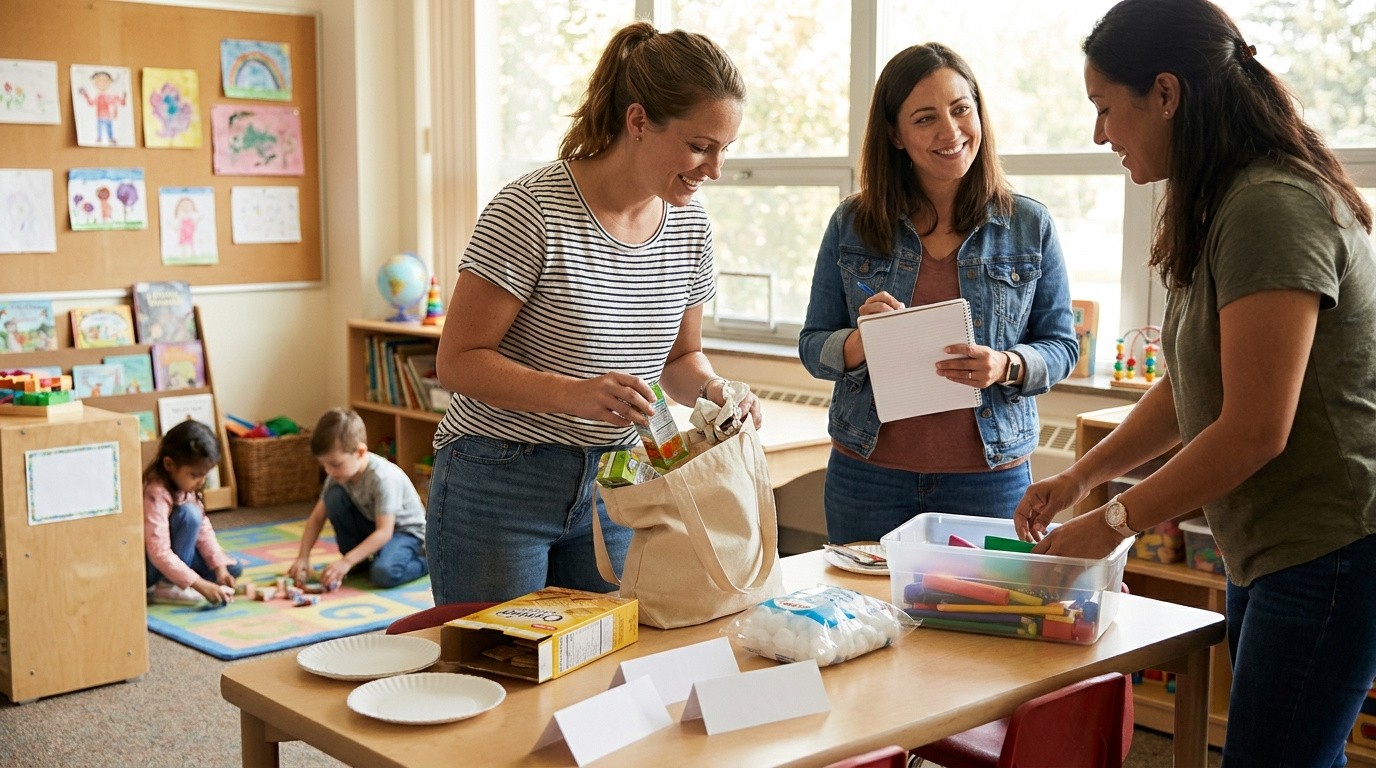
Final Thoughts
Great room parents are not remembered because every classroom party was elaborate. They are remembered for helping create a classroom where teachers felt supported, families felt included, and students had fun.
A little organization, thoughtful communication, and a willingness to ask for help go much further than trying to manage every detail yourself. The role does not require perfection. It requires attention, kindness, and a practical understanding of what the teacher and class actually need.
If you are a first-time room parent, start small. Meet with the teacher. Learn the school policies. Create a simple system. Invite other parents in. Keep communication clear. Let the year build from there.
When it is time to plan classroom celebrations, teacher appreciation moments, or kid-friendly activities, explore the Partytrick Playbook Library for ideas, planning tools, playlists, and hosting inspiration to help make the work feel lighter. Sign up for the Partytrick newsletter for more thoughtful planning ideas throughout the year.
More articles

Halloween Party Ideas from the Pros: How to Host a Night Guests Still Talk About
Ask a professional what makes a Halloween party work, and the answer is rarely just a pumpkin.

Halloween Party Themes for Adults That Go Beyond Costumes
Host a Halloween night built around something your friends will enjoy doing together, with costumes optional. Explore ten adult party themes, with simple food pairings and practical tips to help you choose one that fits your group, space, and budget.

Ask Partytrick: How Do I Host a Halloween Party When Half My Friends Hate Costumes?
Planning a Halloween party when half your friends hate costumes can be simple by making costumes optional and clearly stating the dress code in the invitation. You can center the evening around an activity like a movie night, game night, or pumpkin decorating so everyone feels welcome to join in on the fun.

Sign up for expert tips, exclusive content, and the 411 on the latest parties—all straight to your inbox.
Your shortcut to stress-free hosting
Spend less time coordinating and more time actually connecting.