



Ask Partytrick: What Do You Do When Guests Don't Know Each Other?
Ask Partytrick is our advice series where we answer real hosting questions with practical guidance, thoughtful ideas, and easy-to-follow tips. Whether you're planning your first gathering or figuring out how to make entertaining feel a little easier, we're here to help.
This week's question:
“What do you do when guests don't know each other?”
You invite your college roommate, the neighbors you've been meaning to have over, a coworker you actually like, and your cousin who's in town for the weekend. It sounds great when you're writing the list. Then, two days before, you start picturing everyone standing in the kitchen holding a drink, waiting for someone else to speak first.
Almost every host has that thought.
Mixing friends, family, coworkers, and neighbors who have never met is one of the most common hosting worries we hear, and it's also one of the easiest to plan around. A good gathering doesn't require everyone to leave as new best friends. Most guests aren't hoping for that anyway. They want to feel welcome, comfortable, and glad they came. If you're still building your list, our Party Planning Guide: How to Make a Guest List is a good starting point, especially when you're combining a few different circles.

Start with Thoughtful Introductions
An introduction that's only names gives people nowhere to go. Add one detail, and suddenly there's a thread to pull.
Instead of "Maya, this is Chris," try "Maya, this is Chris. He just moved into the house on the corner and has been hunting for a decent bakery, which I know you have strong feelings about." Now they have somewhere to start, and you can step away without leaving them stranded.
A few things that make introductions land:
- Mention something shared: a hometown, a job change, a hobby, a recent trip, or a mutual friend.
- Introduce people in small groups of two or three rather than announcing them to the whole room.
- Circle back for late arrivals. The guest who walks in 40 minutes late is the one most likely to feel behind.
- Say the connection out loud. "You two both spent a few years in Chicago" does more work than you'd expect.
If it helps, think through two or three pairings before anyone arrives. Not a seating chart, just a mental note about who might enjoy each other.

Give People Something to Gather Around
Conversation gets easier when hands are busy. An activity gives guests a reason to stand near each other and something low-stakes to talk about while they warm up.
Ideas that tend to work:
- A grazing table people build their plates from slowly
- A signature cocktail or mocktail station where guests mix their own
- Decorating cookies, which is especially good with a mixed-age group
- Flower arranging with a bucket of stems and a stack of small vases
- Finishing a dish together in the kitchen
- Board games or backyard games after dinner
- A stack of cookbooks, travel photos, or records to flip through
Keep it loose. The activity should be something guests can drift in and out of, not a scheduled event everyone has to join. Our Al Fresco Dinner Party with Grüvi playbook is a good example of how a relaxed structure, meaning good drinks, easy food, and a clear flow, keeps a group moving without a formal agenda.
Event designer Jove Meyer invites every guest to choose the next record when he hosts, which does the work of an icebreaker without feeling like one.
"It gives everyone a chance to participate, sparks conversations about favorite songs and memories, and offers an easy reason to talk to someone new."
Jove Meyer, from Host How I Host: Jove Meyer on Bringing Color, Warmth, and Authenticity to the Table
Create Spaces That Encourage Conversation
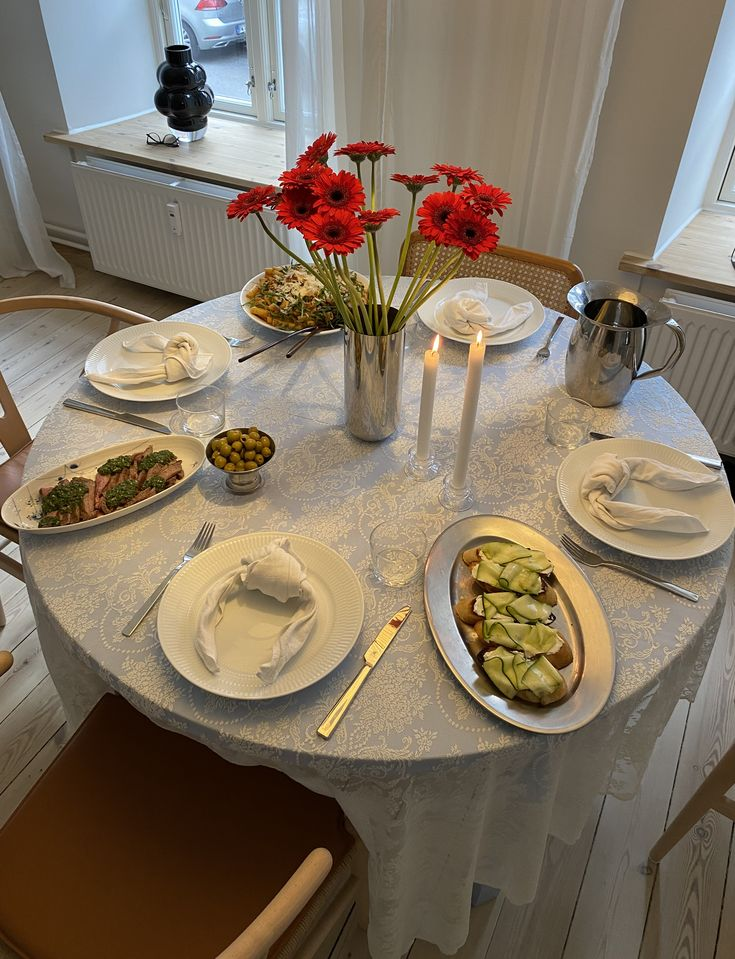
Your setup does a lot of quiet hosting for you. Where people can sit, how loud the room is, and how easy it is to reach the snacks all shape how the night goes.
- Break up seating. One long row of chairs creates one big conversation that's hard to join. Two or three smaller groupings give people options.
- Keep music at a volume people can talk over comfortably. The Perfect Dinner Party Playlist walks through how to build the sound of a night from arrival through dessert.
- Put food and drinks where guests can help themselves. Refilling a glass gives a quieter guest a reason to move and an easy excuse to start talking.
- Go softer on lighting. Lamps and candles instead of overheads. People relax when a room isn't lit like an office.
- Leave clear paths so guests can move between groups without feeling like they're interrupting.
Working with a smaller footprint? How to Host in a Small Apartment Without Feeling Cramped has ideas for creating a few distinct areas even when square footage is tight.
Don't Feel Responsible for Every Conversation
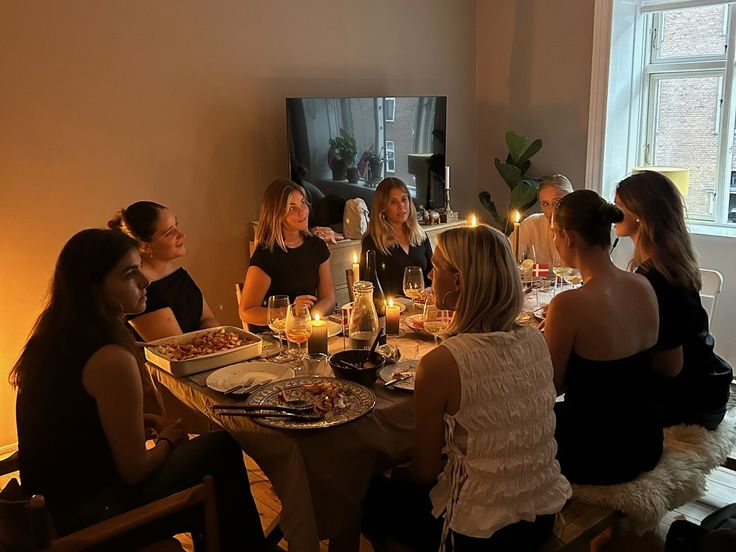
Once introductions are made, you can loosen your grip. Hosts often try to manage every exchange, which usually means hovering all night instead of enjoying their own party.
Let conversations find their own pace. If a group goes quiet for a moment, resist the urge to jump in. Pauses aren't a problem; they're what happens when people are eating, thinking, or listening. Most groups settle within the first half hour.
Your presence matters more than your commentary. Refill a glass, bring out the next dish, laugh at the story you've already heard twice. Guests take their cues from you, and a relaxed host makes for a relaxed room. Good dinner party etiquette has less to do with rules than with paying attention to how people feel in your space.
Kristen Bowen of House of Gleason describes what that ease actually produces:
"When a host makes the evening feel casual and free-flowing, and there is time to just yap, I leave the party with a full cup because we spent most of the evening laughing."
Kristen Bowen, from Host How I Host: Kristen Bowen of House of Gleason on Hosting With Personality
Conversation Starters That Actually Work
The best party conversation starters are the ones you'd actually say out loud. Skip the icebreaker games and ask questions that leave room for a real answer:
- What's something you've been loving lately?
- Have you found any great restaurants recently?
- Any trips coming up?
- What's keeping you busy these days?
Ask one follow-up question instead of moving on, and the conversation usually takes care of itself.
If you like a little structure, keep a conversation deck within reach, like the Deeper Talk Deck from BestSelf Co. Leave it on the coffee table or pass a card around at dessert. It works best as an option, never a requirement.
Want more hosting advice, gathering inspiration, and entertaining tips? Subscribe to the Partytrick newsletter, and we'll send ideas that make hosting feel easier.
If Someone Seems Left Out
Every so often, a guest ends up on the edge of the room. You can help without making it obvious.
- Make another introduction, and include the shared detail again.
- Ask for their opinion in front of the group. "You've been to Lisbon, right? Tell them about that place we talked about."
- Invite them into the kitchen to plate dessert or open a bottle. A task is an easy landing spot.
- Walk over with the pitcher and refill drinks together.
- Bring them into an ongoing conversation: "You have to hear this story."
Small moves, no spotlight. For more on this, read Easy Ways to Make Guests Feel Comfortable at Your Gathering.

The Best Gatherings Leave Room for Connection
Nobody drives home counting how many conversations they had. They remember whether they felt welcome, whether the food was good, and whether they were in a hurry to leave. A thoughtful introduction, a room that's easy to be in, and a reason to linger will carry a night further than any planned activity.
So plan the parts you can control, then let the rest unfold. Some guests will talk to everyone; some will find one person and stay there all evening, and both are signs the night worked.
When you're ready to plan the next one, browse the Partytrick Playbook Library for hosting checklists, dinner party playbooks, planning timelines, and seasonal entertaining guides. Create a free account to save the playbooks you want to come back to.
More articles
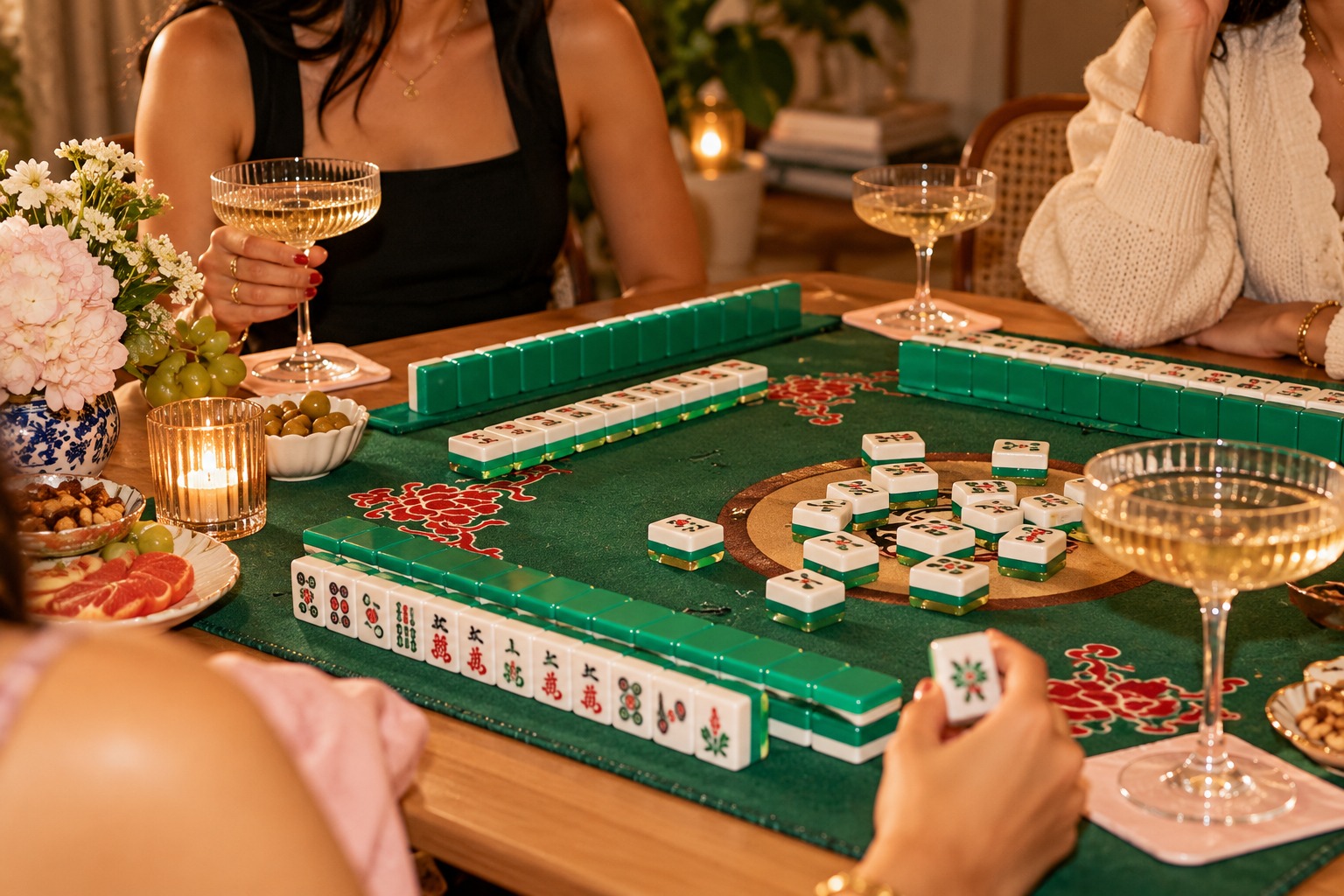
How to Host a Mahjong Night for Beginners
Planning your first Mahjong night does not require an elaborate theme or a full evening of instruction. Use this practical guide to choose a date, invite the right group, set up the table, serve easy food, and help beginners feel comfortable.

How to Host a Murder Mystery Dinner Party
This is a beginner-friendly guide to hosting a murder mystery dinner party at home. It covers choosing a game, assigning characters, planning an easy menu, and building an evening your guests can follow.
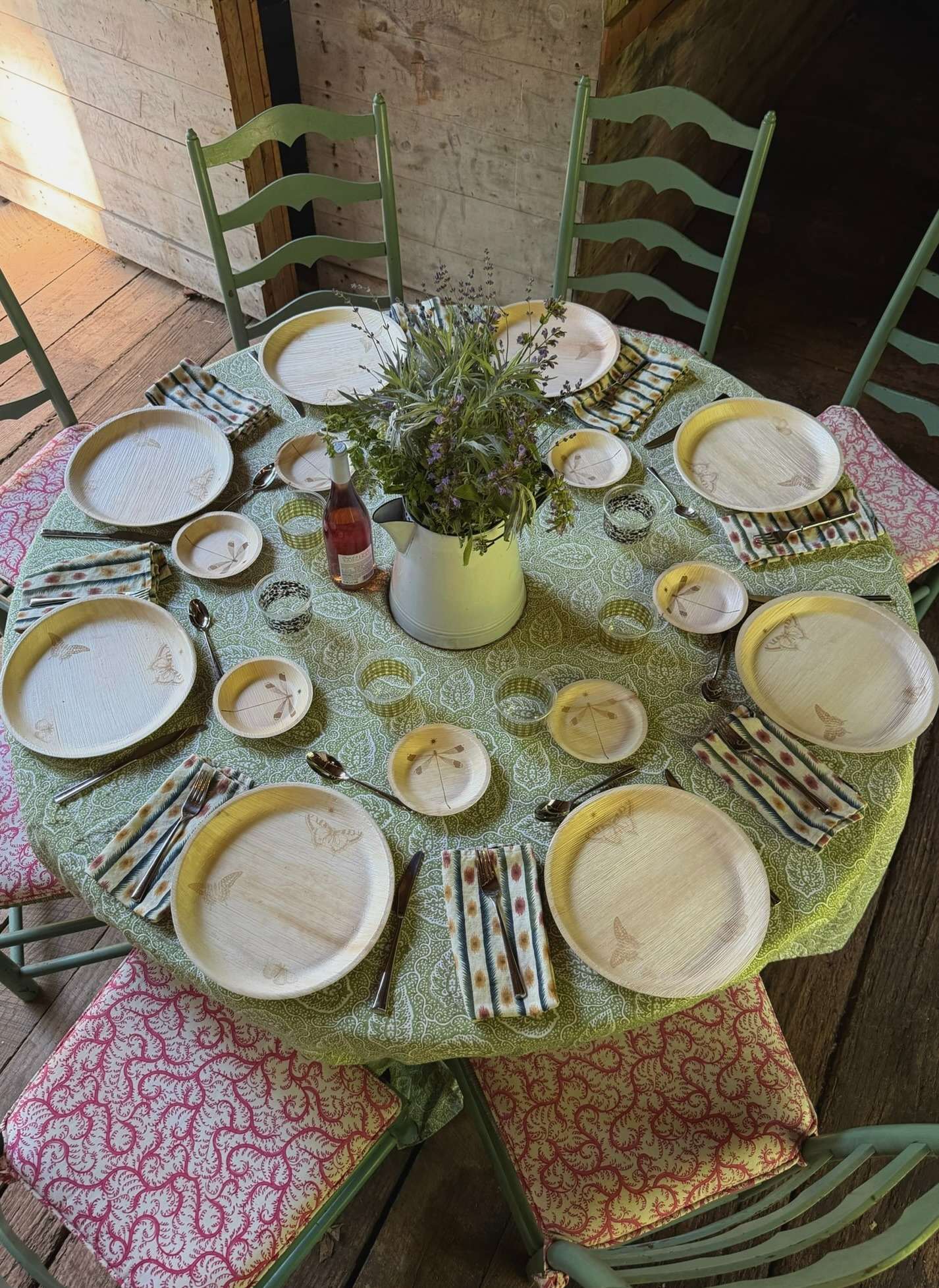
How to Host with Maaterra: Compostable Tableware for Gatherings That Look Good
See how Maaterra tableware works for dinners, brunches, and outdoor gatherings, then choose what you need and save 15% with Partytrick.

Sign up for expert tips, exclusive content, and the 411 on the latest parties—all straight to your inbox.
Your shortcut to stress-free hosting
Spend less time coordinating and more time actually connecting.