



20 School Spirit Week Ideas + How to Plan a Spirit Week
Planning Spirit Week can sound simple at first. Pick five themes, tell everyone what to wear, and let the week happen.
In practice, there are usually more pieces to manage. Someone needs to choose the themes, get school approval, recruit volunteers, make announcements, order supplies, create decorations, organize prizes, coordinate staff, and keep families informed before the week begins.
That does not mean Spirit Week has to feel scattered. With a clear plan, a few strong theme choices, and one place to organize the details, the week can feel much easier to manage. Partytrick can help keep the moving pieces together, especially if several students, teachers, staff members, and parent volunteers are involved.
Use this guide as both an idea bank and a planning framework. Start with the themes, then build the timeline, activities, supplies, and assignments around them.
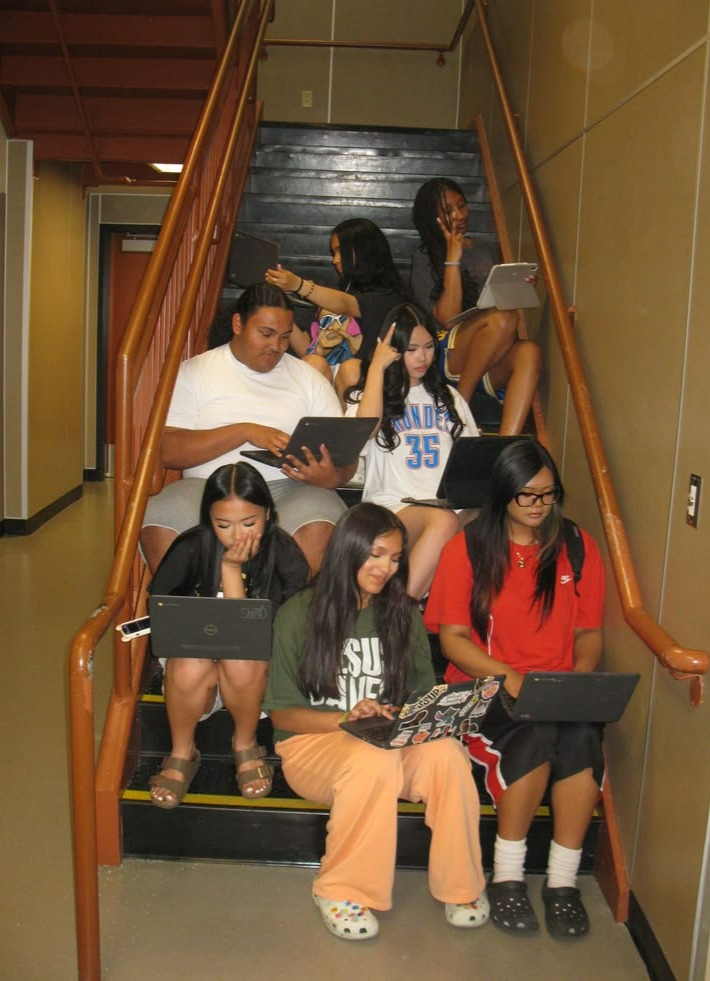
How Far in Advance Should You Plan Spirit Week?
A good rule of thumb is to start planning Spirit Week about 4 to 6 weeks ahead. That gives your team enough time to choose themes, confirm school rules, gather supplies, promote the week, and make sure each day has the support it needs.
You may need more time if Spirit Week includes a pep rally, fundraising element, dance, parade, class competition, or school-wide decorating plan. A simpler week with dress-up days and morning announcements may need less lead time, but it still helps to organize early.
Planning may include:
- Choosing Spirit Week themes
- Getting school approval
- Recruiting student, teacher, and parent volunteers
- Ordering supplies
- Creating decorations
- Planning activities
- Promoting the week
- Organizing prizes
- Coordinating teachers and staff
- Preparing daily reminders
The main goal is to keep the plan out of scattered texts, emails, spreadsheets, and hallway conversations. A central Spirit Week plan gives everyone a shared place to see what has been decided, what still needs to happen, and who owns each task.
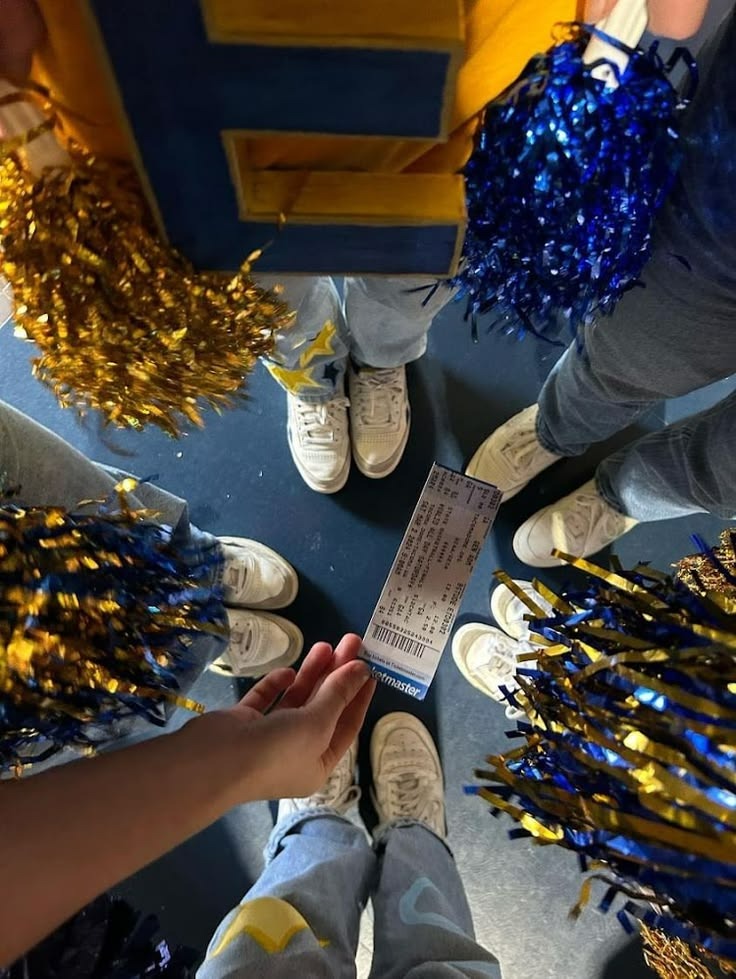
20 Fun Spirit Week Ideas and Themes
The best Spirit Week ideas are easy to understand, simple for most students to participate in, and flexible enough to work across different age groups. A strong week usually includes a mix of classic themes, high-participation days, and one or two bigger moments.
Here are 20 school spirit week ideas to consider.
1. Decades Day
Students dress in styles inspired by a decade, such as the 70s, 80s, 90s, or early 2000s. This theme works well because it gives students room to be creative while still being easy to explain.
2. Pajama Day
Pajama Day is one of the easiest Spirit Week themes because most students can participate with something they already own. Remind families and students that outfits still need to follow the school dress code.
3. School Colors Day
Students wear the school colors to build energy around school pride. This is a strong choice for the final day of Spirit Week, especially if there is a pep rally, game, assembly, or school-wide celebration.
4. Anything But a Backpack Day
Students bring their school supplies in something other than a backpack, such as a tote, basket, small bin, or reusable bag. This theme can be fun, but it should be reviewed by staff first to ensure that safety, hallway traffic, and classroom rules are clear.
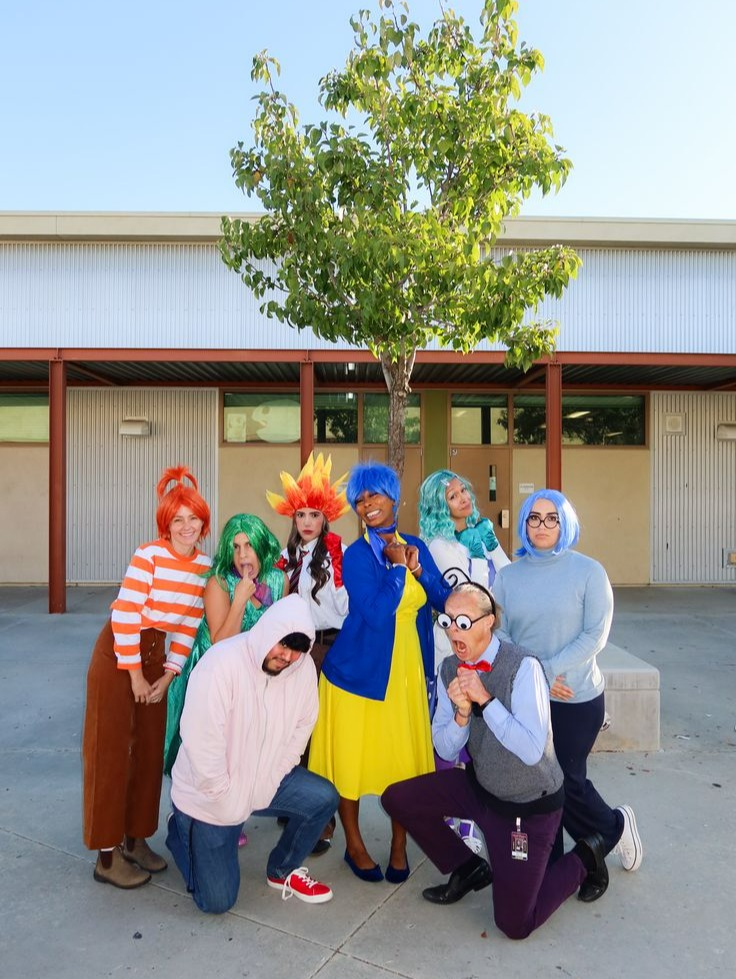
5. Movie Character Day
Students dress as a recognizable movie character. This theme works best when students are reminded to keep costumes school-appropriate, comfortable, and easy to move in throughout the day.
6. Twin Day
Students pair up with a friend or group and dress alike. To make this more inclusive, encourage students to create group outfits or class color combinations so no one feels left out.
7. Teachers vs. Students Day
Teachers and students dress according to different prompts, such as formal vs. casual, school colors vs. class colors, or jersey vs. spirit wear. This theme works especially well when staff participation is strong.
8. Sports Jersey Day
Students wear a jersey, team shirt, or athletic-inspired outfit. This can include school, local, or college teams, or simple sporty clothing, which makes participation easier for students who do not own a specific jersey.
9. Country vs. Country Club Day
This theme is popular, but it should be reviewed for school fit before being approved. If used, keep the guidance light and inclusive, and avoid anything that could turn into stereotypes or dress-code issues.

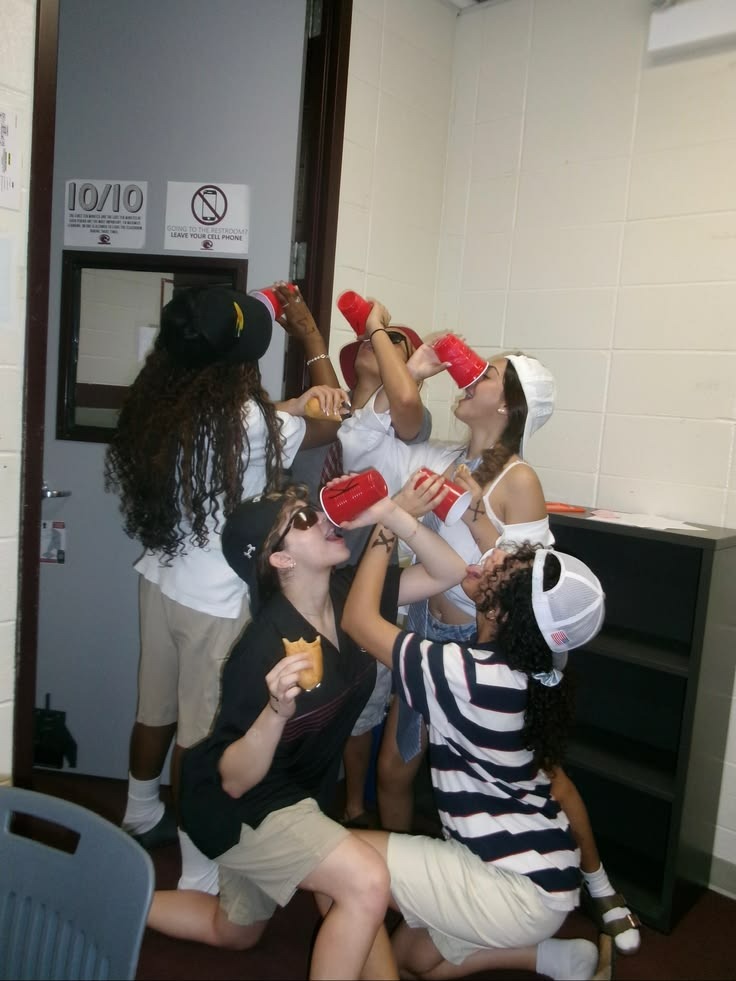
10. Adam Sandler Day
Students wear oversized, comfortable, casual outfits inspired by the actor’s well-known off-duty style. This newer theme can be easy and fun, but staff should ensure the examples are school-appropriate and clear.
11. Throwback Day
Throwback Day can focus on past decades, childhood outfits, old school spirit wear, or retro trends. It gives students flexibility without requiring a specific costume.
12. Dress Like a Teacher Day
Students dress in outfits inspired by teachers or staff. Keep the tone respectful and make it clear that the day should be playful, not mocking.
13. Celebrity Day
Students dress like a favorite singer, actor, athlete, or public figure. This theme should include clear reminders about school rules, respectful choices, and the avoidance of costumes that copy or misrepresent another culture.
14. Western Day
Students wear western-inspired clothing such as denim, boots, plaid, or hats if allowed. Check school guidelines on accessories before approving hats, props, or anything that could become disruptive.
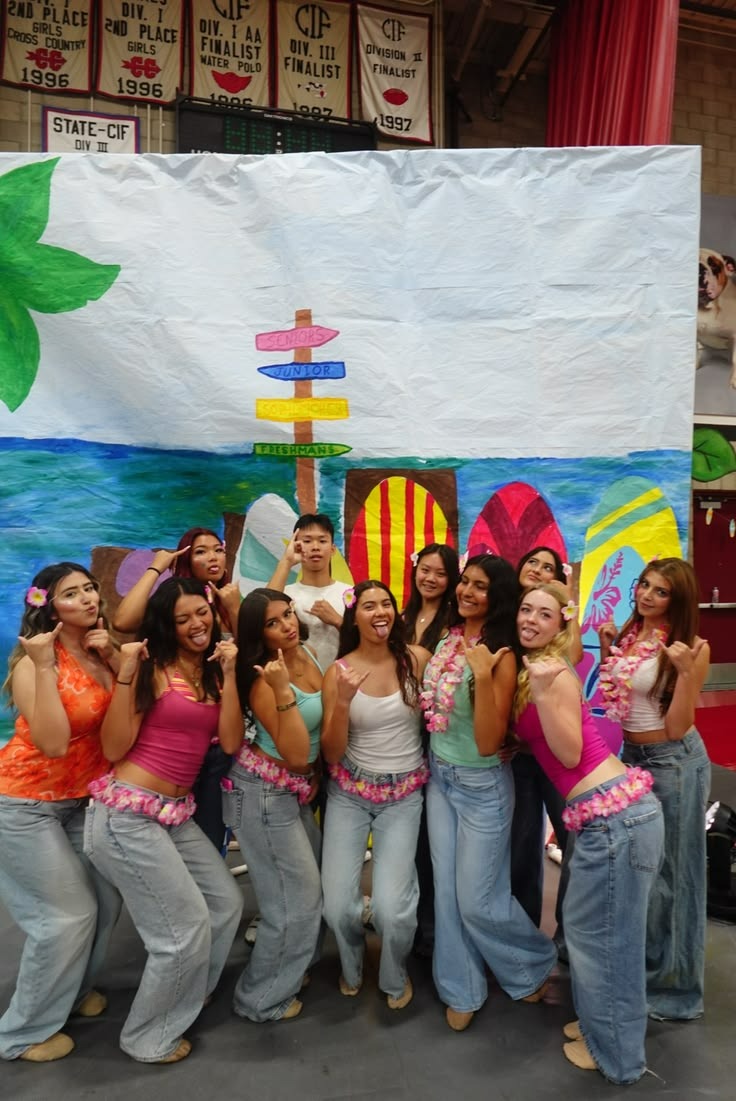
15. Beach or Tropical Day
Students wear bright colors, floral prints, or vacation-inspired outfits. This theme needs clear dress-code guidance so students understand what is appropriate for school.
16. Class Colors Day
Each grade or class wears a different color. This is easy to organize, photographs well, and can support friendly class competitions throughout the day.
17. Superhero Day
Students dress as superheroes or wear colors inspired by them. This can also be adapted into Everyday Hero Day, where students recognize teachers, staff, volunteers, or community helpers.
18. Barbie or Pink Day
Students wear pink or outfits inspired by the theme. Because trend-based themes can age quickly, consider keeping the prompt broad so it still works as a simple color day.
19. Career Day
Students dress for a career they are interested in. This theme can connect well with classroom conversations, guest speakers, or short student reflections about future goals.
20. School Spirit Day
Students wear spirit wear, school colors, team gear, or anything that shows school pride. This is a natural closing theme because it brings the whole week back to the school community.
How to Choose Your Five Spirit Week Themes
The strongest Spirit Week themes are not always the most elaborate. A theme can be clever, but if students need to buy something, explain it repeatedly, or worry about getting it wrong, participation may drop.
Before choosing your final five themes, ask:
- Is it easy for most students to participate?
- Does it require students to buy something new?
- Is the concept clear right away?
- Will teachers and staff participate?
- Does it work across different ages?
- Will it photograph well for the yearbook or school social channels?
- Does it fit school rules and dress codes?
- Could it raise safety, accessibility, cultural sensitivity, or inclusivity concerns?
A balanced Spirit Week might include a low-effort day, a school pride day, a class competition day, and one or two creative themes.
For example:
- Monday: Pajama Day
- Tuesday: Twin Day
- Wednesday: Decades Day
- Thursday: Class Colors Day
- Friday: School Spirit Day
This kind of schedule gives students a clear rhythm. The week starts with something easy, builds toward more visual themes, and ends with school pride.
Spirit Week Activities That Are Not Just Dressing Up
Dress-up days are usually the most visible part of Spirit Week, but activities can make the week feel more connected. The key is to choose simple activities that match the theme instead of trying to create a full event every day.
Consider pairing each day with one activity, such as:
- Hallway decorating contest
- Classroom door decorating
- Lunch-time games
- Student vs. teacher competitions
- School trivia
- Scavenger hunt
- Photo booth
- Spirit station with temporary tattoos, stickers, or face decals
- Banner contest
- Pep-rally challenges
- Playlist or song voting
- Mascot appearances
- Daily prizes
For example, Class Colors Day could include a class banner contest. School Colors Day could include a spirit station near lunch. Decades Day could include a school-safe playlist vote.
Small activities can still build energy when they are easy to run and clearly assigned. It is better to execute one simple idea well than to create five complicated activities that leave everyone scrambling.
How to Get Students, Teachers, and Parents Involved
Spirit Week works best when no single person carries the entire plan. Different groups can help in different ways, and giving each group a clear role makes the week easier to manage.
Students
Students can help with voting, promotion, decorating, activity ideas, setup, cleanup, and daily reminders. If your school has a student council, a leadership class, clubs, or grade-level representatives, invite them to participate in the planning process early.
Students are also helpful for understanding which themes will actually make sense to their classmates. A quick vote can prevent your team from choosing themes that sound fun in a meeting but do not connect with the student body.
Teachers and Staff
Teachers and staff can help with approvals, announcements, classroom participation, supervision, and schedule coordination. Their support is especially important if activities occur during lunch, passing periods, advisory periods, or assemblies.
Staff can also help identify concerns before themes are announced. A quick review can catch dress-code issues, safety concerns, or themes that may not work for every grade level.
Parents and Volunteers
Parents and volunteers can support supplies, decorations, prizes, setup, food where appropriate, and day-of help. Keep requests specific so people know exactly what is needed.
Instead of asking for help with Spirit Week, ask for three volunteers to hang posters, one person to pick up prizes, or two people to set up the photo station. Clear requests are easier to answer.
Create a Spirit Week Promotion Plan
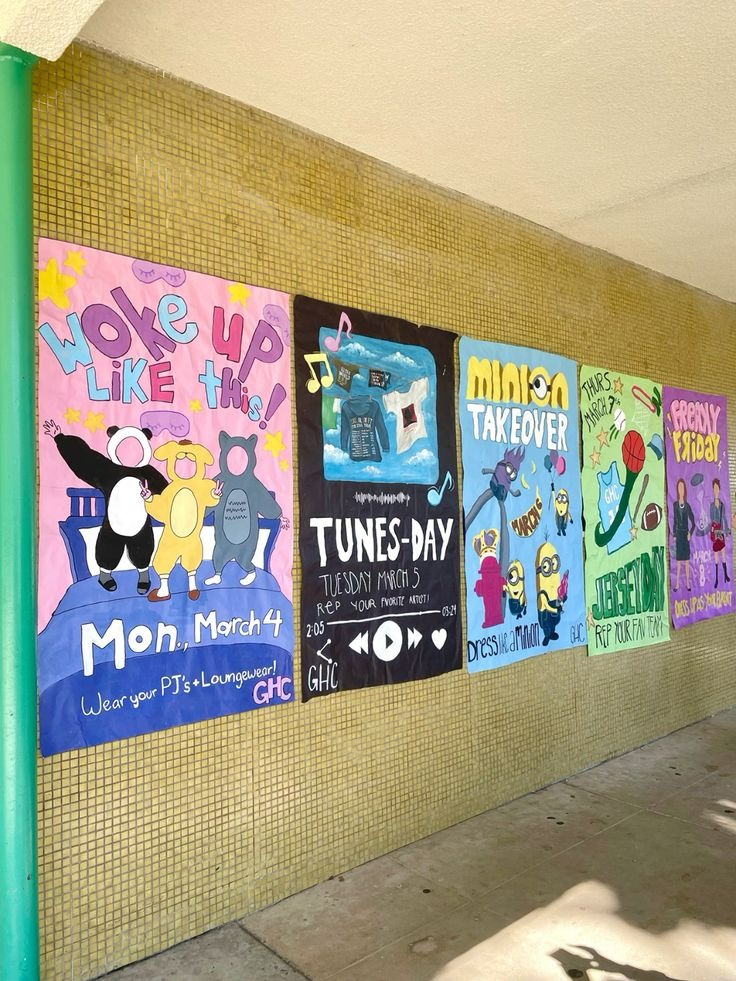
A good promotion plan gives families and students enough time to prepare. Announce all five themes early, then use reminders to keep the week visible.
Your promotion plan might include:
- Morning announcements
- Posters and signage
- School newsletter mentions
- Email reminders
- Social media posts
- Student-created videos
- A theme countdown
- Daily reminders
- Photos from each day
Try to announce the full theme schedule at least 2 weeks before Spirit Week. That gives families time to find clothing, ask questions, and plan around any theme that requires a little preparation.
During Spirit Week, keep reminders short and practical. Each day, share the next day’s theme, the activity, and any important details students need to know.
Make a Spirit Week Supplies and Decorations List
Supplies are easy to underestimate because they are often spread across different people. One person remembers the balloons, another is thinking about prizes, and another has the posters in a classroom.
Create one shared supplies and decorations list, then connect each item to a task, owner, and deadline.
Helpful categories include:
Decorations
- Banners
- Balloons
- Streamers
- Hallway signs
- Classroom signs
- Door decorating materials
Activities
- Game materials
- Photo booth props
- Craft supplies
- Trivia cards
- Scavenger hunt clues
- Score sheets
Prizes
- Gift cards
- School merch
- Candy or treats
- Small prizes
- Class rewards
Promotion
- Posters
- Printed schedules
- Countdown signs
- Social graphics
- Announcement copy
Day-of Supplies
- Tape
- Scissors
- Markers
- Extension cords
- Trash bags
- Cleanup supplies
This is where a Partytrick plan can be especially helpful. Instead of relying on someone to remember what needs to be purchased, supplies can be tied to the right day, activity, task, and owner.
Assign Spirit Week Responsibilities Before the Week Begins
Every major task should have an owner and a deadline before Spirit Week starts. This keeps the plan clear and reduces last-minute confusion.
Here is a simple way to organize responsibilities:
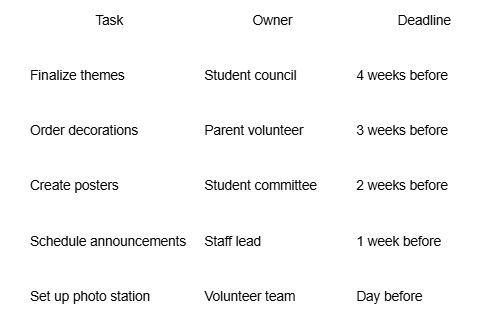
The goal is not to make the plan complicated. The goal is to make it visible.
If the same person is listed beside every task, that is a sign the plan needs more support. Spirit Week should have shared ownership across students, staff, and volunteers.
6-Week Spirit Week Planning Timeline
Use this timeline as a starting point, then adjust based on your school calendar, approval process, and how involved the week will be.
6 Weeks Before
Set the dates, determine the goals for the week, and form your planning committee. Decide who needs to be involved in approvals, student input, activities, promotion, and supplies.
5 Weeks Before
Brainstorm Spirit Week themes and activities. Check school requirements, dress-code guidelines, supervision needs, and any calendar conflicts.
4 Weeks Before
Finalize the five themes, assign major responsibilities, and create the first supply list. If students are voting on themes, collect responses early enough to confirm the final schedule.
3 Weeks Before
Order supplies and decorations, plan the daily activities, and begin promotional materials. Confirm what needs to be printed, posted, announced, or shared with families.
2 Weeks Before
Announce Spirit Week and begin the countdown. Share all five themes so students and families have time to prepare. Confirm volunteers and make sure each day has an owner.
1 Week Before
Do a final supply check, confirm assignments, prepare decorations, organize prizes, and write daily reminder copy. Make sure staff know the theme schedule and any activity details.
Spirit Week
Send daily reminders, run the activities, take photos, track participation, and keep everyone updated. At the end of the week, thank volunteers, staff, and students who helped make it happen.

Plan Your Entire Spirit Week With Partytrick
Spirit Week has a lot of small moving pieces. The challenge is rarely one big decision. It is usually the number of small decisions that need to be made, shared, and followed through on.
Partytrick gives organizers one place to keep the entire week together, from the first brainstorm through Friday’s final event.
You can use Partytrick to organize:
- The planning timeline
- Theme ideas
- Tasks and deadlines
- Assignments
- Inspiration
- Supplies
- Event details
- Updates for the team
This is especially useful when students, teachers, staff members, and parent volunteers are all helping. Instead of checking multiple message threads or wondering who owns a task, everyone can work from the same plan.
Create your Spirit Week plan with Partytrick, then use it to turn the idea list into a week that feels clear, organized, and manageable.
Spirit Week FAQ
What are the most popular Spirit Week ideas?
Popular Spirit Week ideas include Pajama Day, Decades Day, Twin Day, School Colors Day, Sports Jersey Day, Class Colors Day, Movie Character Day, and School Spirit Day. These themes tend to work well because they are easy to understand and simple for many students to join.
How many days is Spirit Week?
Spirit Week is usually 5 school days, often Monday through Friday. Some schools extend it around Homecoming, a pep rally, a fundraiser, or another school-wide event.
How far in advance should you plan Spirit Week?
Start planning about 4 to 6 weeks. This gives your team time to choose themes, get approval, recruit volunteers, order supplies, promote the week, and prepare activities.
How do you make Spirit Week more fun?
Pair each theme with one simple activity, such as a photo booth, trivia game, hallway decorating contest, lunchtime challenge, or daily prize. Student input also helps because students are more likely to participate when the themes feel relevant and easy to join.
What are easy Spirit Week themes?
Easy Spirit Week themes include Pajama Day, School Colors Day, Sports Jersey Day, Class Colors Day, Twin Day, and Throwback Day. These usually require less preparation and can often be done with clothing students already own.
How can you get more students to participate in Spirit Week?
Choose themes that are clear, inclusive, and low-cost. Announce the full schedule early, ask students to vote on themes, involve teachers and staff, and add simple activities that make each day feel visible across the school.
More articles

Party Ideas from Professional Event Planners You Can Make Your Own
Find party ideas from professional event planners, choose an Expert Collection Playbook for your occasion, and adapt it to your guests, space, and budget.

How to Host a Mahjong Night with The Daily Cheer
Plan the perfect Mahjong night with The Daily Cheer! From choosing your gathering style and setting the table to easy food ideas and hosting tips, this guide has everything you need to bring friends together for a fun game night.

Homecoming Party Ideas: What to Host Before the Game and the Dance
Practical homecoming party ideas for hosting a tailgate, predance gathering, photo hour, or casual get-together before or after the game and dance.

Sign up for expert tips, exclusive content, and the 411 on the latest parties—all straight to your inbox.
Your shortcut to stress-free hosting
Spend less time coordinating and more time actually connecting.